
Contents [ Hide ]
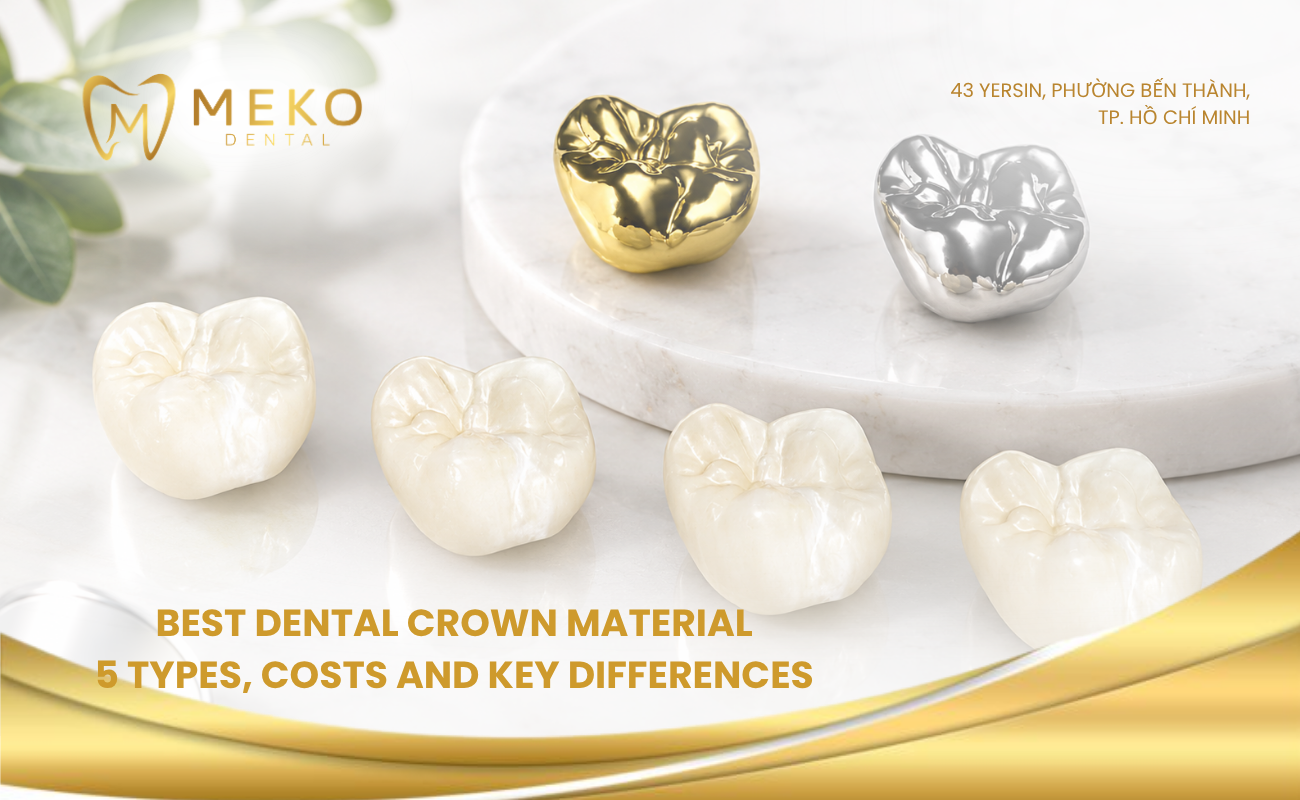
Choosing the best dental crown material depends on the tooth’s location, functional demands, and cosmetic goals. Zirconia, E.max, porcelain, PFM, and gold each offer different levels of strength, aesthetics, durability, and tooth preparation. This comparison looks at the main advantages and drawbacks of five popular crown materials, along with their expected lifespan and typical cost in 2026.
1. Best dental crown materials at a glance
The best dental crown material differs by strength, appearance and expected lifespan, so the right choice depends on tooth position and bite force. The table below is a quick comparison of the main crown materials, showing which option suits front teeth, molars or grinders.
| Material | Strength | Aesthetics | Lifespan | Best for |
| Monolithic zirconia | Very high | Good | 15-25 years | Molars, grinders |
| Layered zirconia | High | Very good | 12-20 years | Front teeth, premolars |
| Lithium disilicate (E.max) | High | Very good | 10-20 years | Front teeth, premolars |
| All-porcelain | Moderate | Excellent | 8-15 years | Low-force front teeth |
| PFM | High | Fair | 10-15 years | Budget-friendly molars |
| Gold | High | Low | 20-30+ years | Back molars |
Zirconia is the best dental crown material for molars exposed to heavy chewing, while E.max offers a more natural appearance for front teeth. Gold remains a durable choice for back molars, whereas PFM and all-porcelain crowns may appeal to patients prioritizing cost or aesthetics.
2. Detailed review of each major dental crown material
Not every dental crown suits every mouth, so here is how the best materials for dental crowns perform in daily use. Each review below covers strength, appearance, pros, cons, and which material is best for dental crowns on each type of tooth.
2.1 Zirconia crowns
Zirconia is a ceramic available as monolithic (one solid block) or layered/multi-layer (with a porcelain surface). With strength of 900-1,200 MPa, it resists fracture on molars and grinders. For most back teeth, it is the best dental crown material today, and the best material for dental crowns under heavy chewing.
- Pros: very strong, biocompatible, metal-free, moderate tooth reduction.
- Cons: monolithic can look slightly opaque, layered porcelain can chip.
- Best for: molars, premolars, and patients who grind.
2.2 E.max crowns
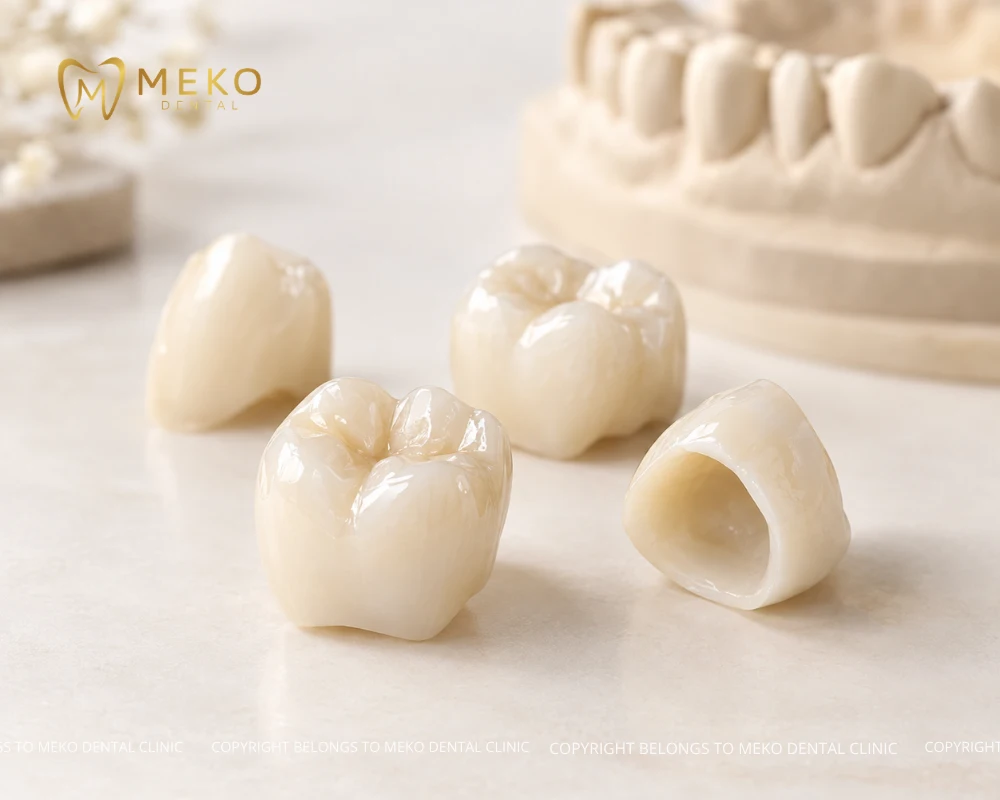
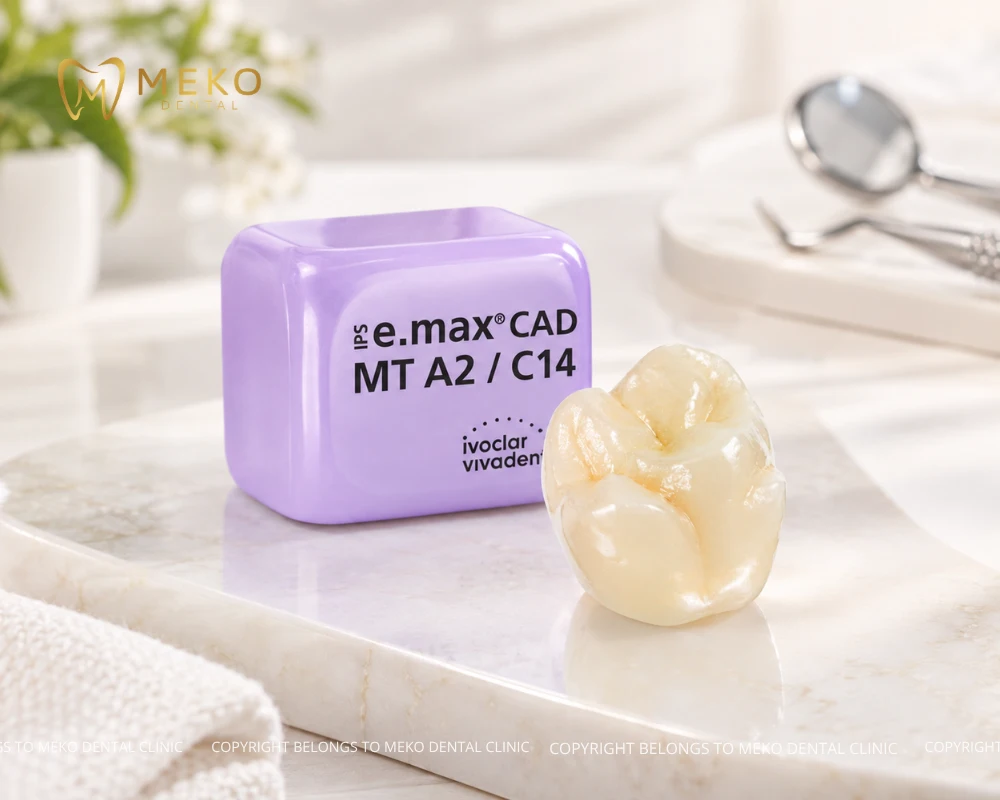
Lithium disilicate, commonly known as E.max, is a glass-ceramic designed to mimic the translucency of natural enamel. It offers reliable strength and strong adhesion to prepared teeth. Because of its lifelike appearance, E.max is particularly suitable for teeth that show when smiling and is often considered the best dental crown material for front teeth.
- Pros: excellent translucency, strong bond, conservative tooth preparation, metal-free.
- Cons: can crack under heavy molar force, not ideal for severe grinding.
- Best for: front teeth and premolars.
2.3 All-porcelain crowns
All-porcelain (feldspathic) crowns give the most lifelike color and shine because they contain no metal at all. On a single front tooth with a gentle bite, they can be the best material for dental crown color matching. They are softer than newer ceramics, so they suit low-force front teeth only.
- Pros: most natural look, metal-free, excellent color match.
- Cons: lower durability, higher fracture risk.
- Best for: low-force front teeth.
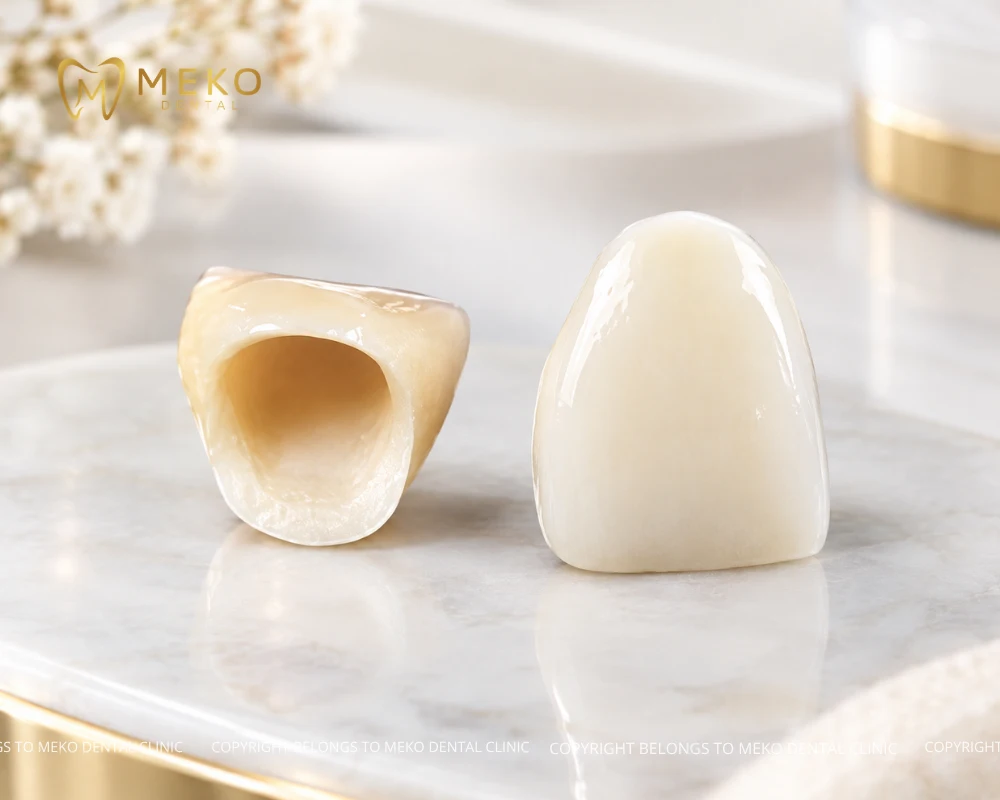
2.4 PFM crowns
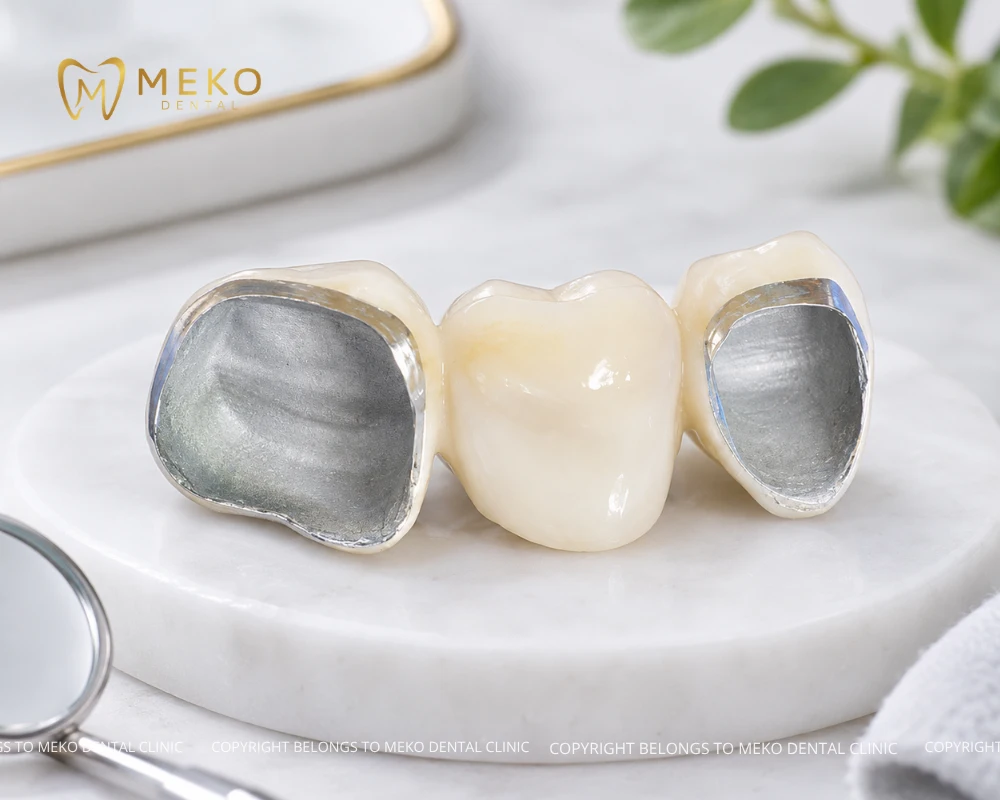
PFM crowns have a metal core covered by a porcelain surface, proven for decades. However, the metal can show as a dark line at the gum edge, and more tooth must be removed. Zirconia is stronger and looks more natural, so many dentists now choose it over PFM for new cases.
- Pros: proven track record, strong, cheaper than zirconia or E.max.
- Cons: dark gum line over time, porcelain can chip off the metal, more tooth removal.
- Best for: tight budgets.
2.5 Gold crowns
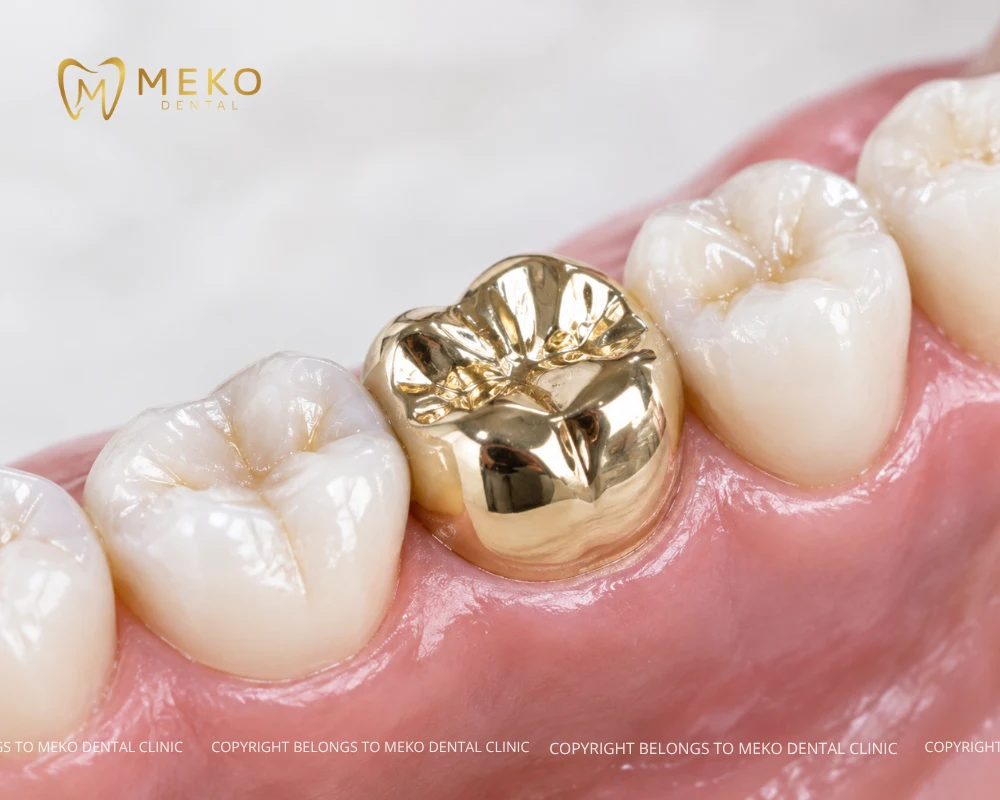
Gold and high-noble alloy crowns can last 20-30 years or longer with care. They need the least tooth reduction, wear opposing teeth the least, and are well tolerated by gum tissue. For pure longevity, gold is the dental crown best material, but the visible metal limits it to back molars.
- Pros: exceptional longevity, gentlest on opposing teeth, minimal tooth removal, biocompatible.
- Cons: visible metal color, higher price.
- Best for: back molars and heavy grinders.
3. Choosing a crown material for each tooth
The most useful starting point in choosing the best dental crown material is the tooth’s location and the bite force it handles. Appearance, budget, metal sensitivity and any plans for braces or Invisalign then refine the decision.
3.1 By tooth location
A tooth’s position determines both the chewing pressure it takes and how noticeable the crown is when smiling. The guide below matches the best dental crown material to each tooth type.
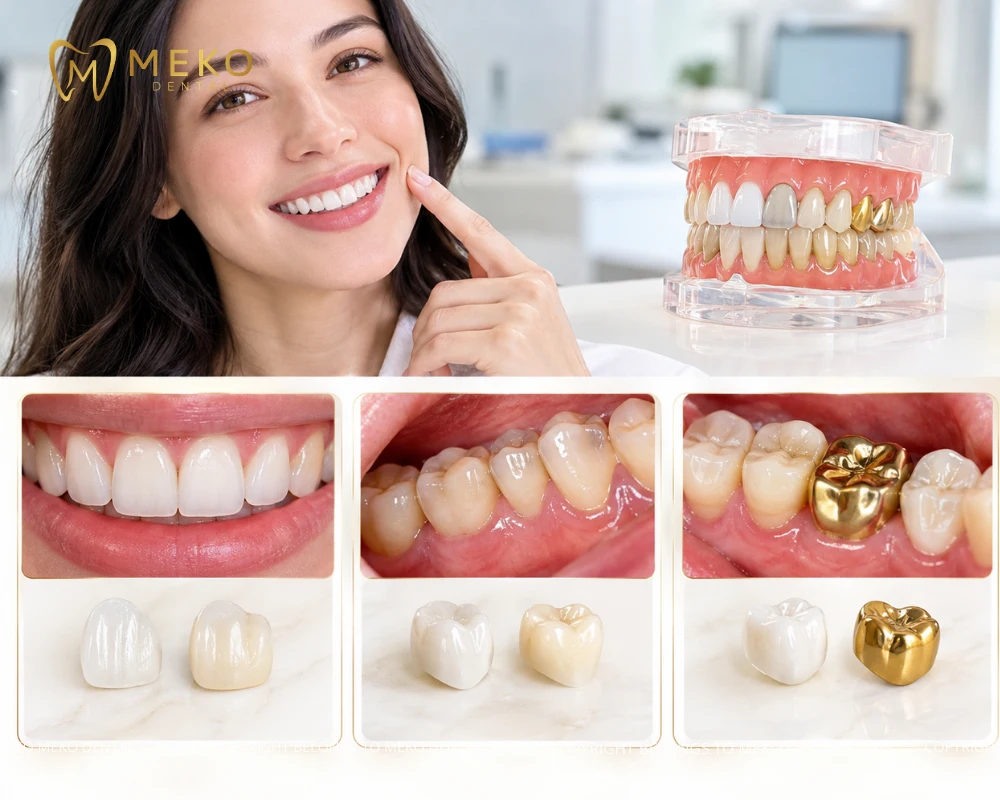
- Front teeth: Lithium disilicate and layered zirconia are the best dental crown material options for visible teeth, thanks to natural translucency, color, and darker-structure masking.
- Premolars: Zirconia offers strength, while lithium disilicate offers lifelike appearance, making either the best material for a dental crown depending on visibility and bite load.
- Molars: Zirconia and gold are the best dental crown material options for molars because they tolerate heavy chewing; zirconia looks natural, gold spares opposing teeth.
3.2 Key decision factors beyond location
Choosing a crown material involves more than where the crown will be placed. Everyday habits, the amount of healthy tooth remaining, appearance, metal sensitivity, budget, expected lifespan, and contact with opposing teeth can all affect the decision.
- Bite force and bruxism: Clenching or grinding stresses crowns; zirconia or gold may be the best dental crown material here, while E.max and all-porcelain need caution.
- Remaining tooth structure: When little natural tooth remains, strength matters more. Zirconia or gold provide durable support, while E.max may need greater thickness for durability.
- Aesthetic priority: For visible teeth, appearance matters more. E.max and layered zirconia offer natural-looking color and translucency, helping the crown blend with surrounding natural enamel.
- Metal sensitivity: Sensitivity can influence material selection. Zirconia or E.max provide metal-free options, while PFM and alloy crowns may be less suitable for sensitive patients.
- Budget: Cost affects material selection, especially when several crowns are needed. PFM and monolithic zirconia often cost less than premium options.
- Longevity expectation: Durability matters when choosing the best dental crown material. Gold and zirconia last many years, depending on hygiene, bite forces, and tooth condition.
- Effect on opposing teeth: Crown material and finish affect opposing teeth. Gold is gentle on natural enamel, while polished zirconia also limits wear during chewing.
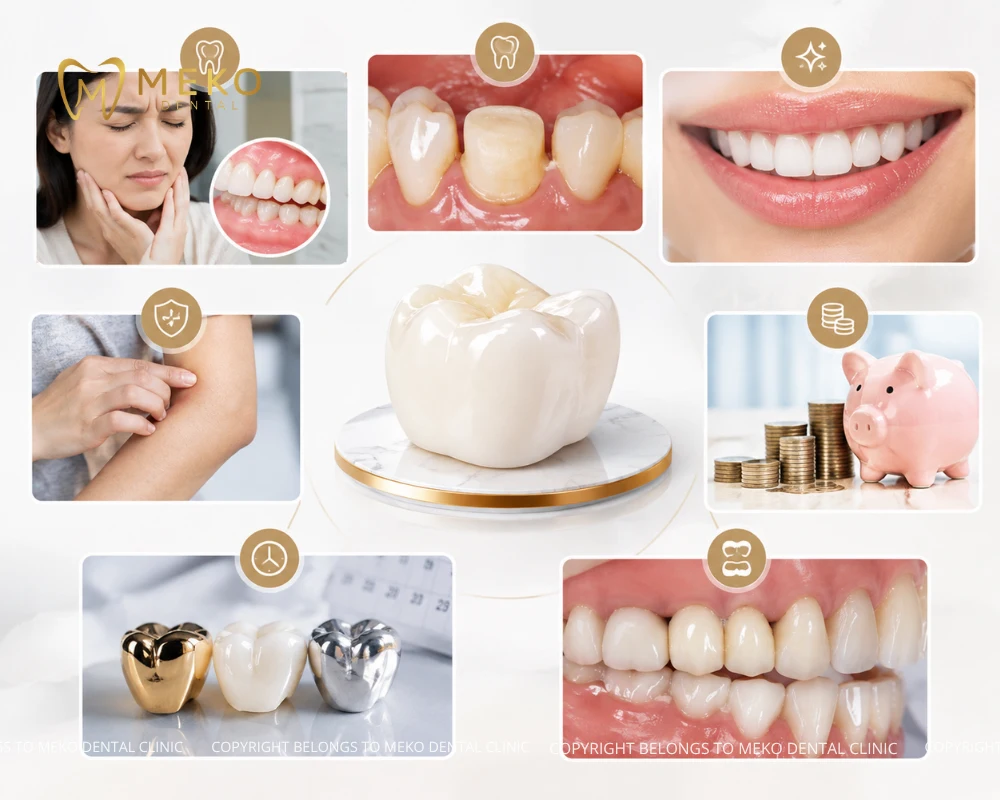
3.3 Best dental crown material for patients getting braces or Invisalign
Whenever possible, orthodontic movement should be finished before the final crown is placed, because teeth shift and the bite changes during treatment. If the crown cannot wait, the orthodontist should be told early so brackets and attachments can be planned around it, and the material agreed on together.
Zirconia is usually the best dental crown material here, because its strength withstands orthodontic forces and brackets bond to it after proper surface preparation. E.max also bonds well but is generally less forgiving under force, and all-porcelain crowns fracture too easily on teeth with brackets.
4. How much do dental crowns cost in 2026?
Dental crown costs in 2026 vary widely by material, quality, and complexity of the restoration. Crown prices depend mostly on the material. The table below shows Meko Dental Clinic’s current special-offer prices per tooth, VAT included, next to the typical lifespan of each material.
| Material | Price per crown (VND) | Approx. USD | Typical lifespan |
| PFM (porcelain fused to metal) | 3,000,000-4,000,000 | 116 – 155 | 10-15 years |
| Zirconia | 5,000,000-7,000,000 | 194 – 271 | 12-25 years |
| E.max (lithium disilicate) | 8,000,000 | $310 | 10-20 years |
| Gold | Contact us for a quote | – | 20-30+ years |
Prices are Meko Dental Clinic’s special-offer rates, VAT included, and the final cost depends on the material, the number of crowns, and the condition of the tooth. USD figures are approximate. With an in-house lab, our dentists and technicians work closely on shade, fit, and bite, which makes adjustments quicker and shortens turnaround time. A dentist can give an accurate quote after examining the tooth.
5. Frequently asked questions
6.1 What is the best dental crown material for looks?
Lithium disilicate (E.max) generally offers the closest match to natural enamel because its translucency allows light to pass through naturally. Layered zirconia is another strong option, especially when greater opacity is needed to mask a dark or discolored tooth underneath.
6.2 What is the best material to use for dental crowns against stains?
Zirconia and lithium disilicate are highly resistant to surface staining because their dense ceramic surfaces do not readily absorb pigments. Proper polishing and glazing also help maintain the original shade, although the condition of the surrounding natural teeth can affect how consistent the smile looks.
6.3 What is the best material for dental crowns with least removal?
Gold generally requires the least tooth reduction because its strength allows a thinner crown design without compromising function. Zirconia can also support relatively conservative preparation, while ceramic options may require more space to achieve adequate thickness and strength.
6. Conclusion
Tooth position, bite force, budget, and appearance goals determine the best dental crown material for each patient. Zirconia handles heavy chewing, E.max suits visible teeth, and gold offers lasting durability for back molars, so a dental exam with your dentist should guide the final decision.
Meko Dental Clinic helps you choose a durable, suitable crown through a detailed exam and honest advice tailored to your tooth, lifestyle, and budget. Call 077 227 7919 today to book your personalized consultation and receive a clear plan and transparent quote for your healthy smile.


 Messenger FB
 WhatsApp
 Book now