

Root Canal Treatment
Root canal treatment is one of the most effective ways to save a tooth that aches badly when biting down, or that has suddenly turned darker than the ones next to it. Both are common signs that something is wrong deep inside the tooth rather than on the surface, and in many of these cases, extraction is not the only option. This guide from Meko Dental walks through what the procedure involves, when it becomes necessary, and what to expect afterward.
What is root canal treatment?
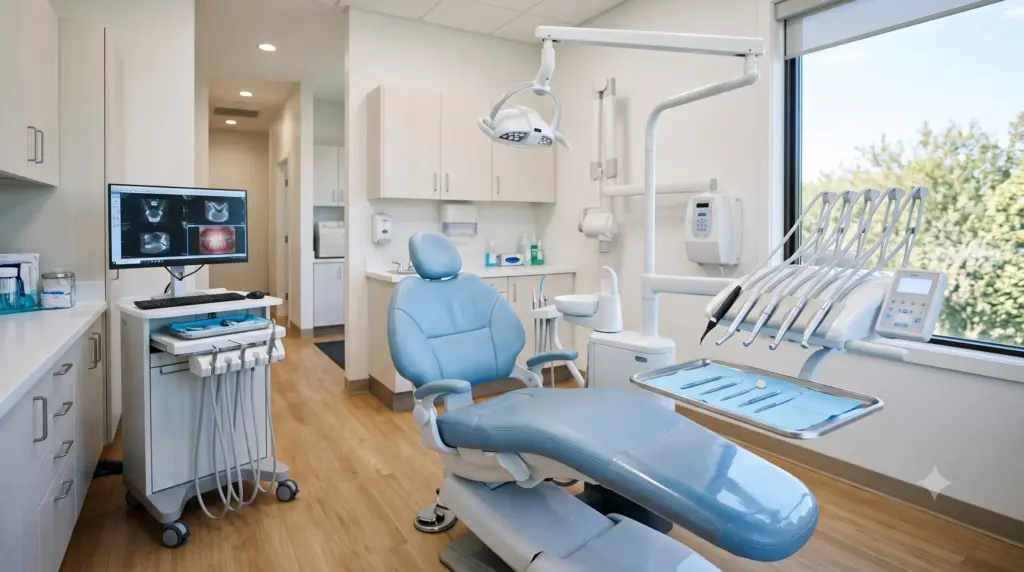
Root canal treatment is a procedure that removes damaged or infected tissue from inside a tooth, then cleans, shapes, and seals the space to stop the infection from returning. It targets the pulp, the soft tissue containing nerves and blood vessels that sits beneath the enamel and dentin.
A tooth relies on this pulp mainly while it is still developing. Once fully mature, the tooth can survive without it, because the surrounding tissues continue to keep it nourished. This is exactly why root canal treatment can remove damaged pulp without destroying the tooth itself. It only removes the source of infection, while the natural structure stays in place.
A lot of hesitation around this procedure comes from outdated stories about pain. With local anaesthesia and modern instruments, most patients describe root canal treatments as similar to having a deep filling placed. Any soreness afterward tends to be mild and short-lived.
Why might dental root canal treatment become necessary?
Dental root canal treatment is generally recommended once bacteria have reached the pulp chamber and triggered an infection the tooth cannot resolve on its own. Left alone, this kind of infection can spread into the bone around the root and eventually lead to tooth loss.
Common causes include:
- Untreated tooth decay that gradually reaches the pulp
- A crack or chip from injury, trauma, or grinding
- Repeated dental work on the same tooth, such as several fillings over the years
- Gum disease that has progressed deep enough to reach the root
In each of these scenarios, the goal is to remove the damaged tissue early, before extraction becomes the only option left. Treating a dental problem early can often make the procedure easier and more affordable.
Common signs a tooth may need root canal treatment
Not every symptom below automatically means a tooth needs treatment, but any of them is a reason to have it checked.
- Pain that feels sharp or pulsating when you bite or chew
- Hot or cold foods and drinks cause sensitivity that continues afterward
- A tiny, pimple-like spot may develop on the gum next to the affected tooth
- The gum around the tooth may become swollen, sore, or sensitive
- The affected tooth may appear noticeably darker than neighboring teeth
- A tooth that has cracked, chipped, or become loose after an injury
Some infected teeth show almost no symptoms in the early stages, which is why routine check-ups and x-rays still matter. They can catch pulp damage well before any pain develops.
What does the root canal treatment procedure involve?
The root canal treatment procedure generally involves numbing the tooth, removing the infected pulp, cleaning and shaping the canal, then filling and sealing it. The number of visits needed depends on how many canals are involved and how far the infection has spread.
- An x-ray shows the shape of the root canals and how far the infection has reached.
- A local anaesthetic numbs the area, the same type used for a routine filling.
- A small opening is made at the top of the tooth to remove the infected pulp and drain any abscess present.
- The root canal is thoroughly cleaned and shaped before the filling material is placed.
- The canal is filled with a biocompatible material and sealed against bacteria.
- A crown or permanent filling is added afterward, since the treated tooth can become more brittle over time.
Most cases finish in a single 30 to 90 minute session. Molars or more complex infections may need a second visit with a temporary filling placed in between.
Root canal treatment vs tooth extraction: Which option is better?
Root canal treatment keeps the natural tooth in place, while extraction removes it and usually requires a replacement such as an implant or bridge. Preserving the natural tooth is generally the preferred route, since it keeps chewing function intact and prevents nearby teeth from drifting out of position.
| Factor | Root canal treatment | Tooth extraction |
| Natural tooth | Preserved | Removed |
| Chewing function | Restored close to normal | Needs an implant or bridge |
| Effect on nearby teeth | Minimal | Risk of shifting without replacement |
| Recovery | A few days of mild soreness | Longer healing period |
| Long-term cost | Often cheaper after replacement costs are considered | May require added implant or bridge cost |
Extraction tends to be reserved for teeth that are too damaged to restore, or for cases where root canal treatments has already failed more than once. A dentist can confirm which option fits best after an examination.
How long can a tooth last after root canal treatment?
With a proper crown or filling and good oral hygiene, a tooth treated this way can often function normally for 15 to 25 years, and in many cases for life. The actual outcome depends on the individual tooth and the technique used. It also depends on how consistently the patient keeps up with brushing, flossing, and regular dental visits afterward.
What affects the cost of root canal treatment?
The cost of root canal treatment depends mainly on which tooth is involved and how complex its canal system is. Molars are generally more expensive than front teeth, since they usually have more canals and take more time to treat.
| Tooth type | Typical price range |
| Incisor / canine | |
| Premolar | |
| Molar | |
| Retreatment |
Other factors also play a role, including the number of visits required and whether a crown or additional filling is needed afterward. Whether the case is a first treatment or a retreatment matters too. Asking for a clear, itemised cost breakdown before treatment begins helps avoid unexpected charges later.
Root canal treatment services at Meko Dental
At Meko Dental, root canal treatment starts with a full examination using digital x-ray imaging to map the canal system and estimate the root length before any instrument touches the tooth. This step shows the number of canals, the extent of infection, and how many visits the case is likely to need. The procedure itself uses the following:
- An electronic apex locator paired with Ni-Ti rotary files to clean and shape the canals more precisely and gently than manual instruments
- A dental microscope for canals that are narrow, curved, or calcified, so smaller canals are less likely to be missed
- Gutta-percha filling material to seal the canal system once cleaning is complete
- Sterilisation carried out to AACI standards, with 100% of instruments processed through autoclave equipment before each patient
Patients who need a filling or crown afterward can complete that step at the same clinic. The whole process, from diagnosis to final restoration, happens in one place without referrals elsewhere.
Anyone experiencing ongoing tooth pain, sensitivity, or swelling can book a consultation by calling 077 227 7919. Catching pulp damage early generally means a simpler procedure and a better chance of keeping the natural tooth.
Frequently asked questions
It is the removal of infected or inflamed pulp from inside a tooth, followed by cleaning, shaping, and sealing the space to stop the infection from returning, while keeping the natural tooth intact.
Canal root treatment is simply another way patients phrase root canal treatments. Both terms describe the same procedure for removing infected pulp and sealing the tooth afterward.
No. Teeth root canal treatment varies by tooth, since molars usually have more canals than front teeth and take longer to clean and shape properly.
In rare cases, yes. If bacteria remain in a hidden canal or the seal breaks down over time, retreatment or referral to a specialist may be needed to save the tooth.
Many teeth only need one or two visits to resolve the infection permanently. More complex cases, or teeth needing retreatment, may require additional appointments.
Look for a clinic that offers digital imaging, transparent pricing, and a clear explanation of each step before treatment starts, which is the approach followed at Meko Dental for every patient.
Tooth pain rarely goes away on its own, and waiting too long often turns a simple case into a more complicated one. Root canal treatment remains one of the most reliable ways to clear an infection while keeping the natural tooth. With modern techniques, the experience is far more comfortable than most patients expect.
Anyone dealing with persistent pain, sensitivity, or a tooth that looks or feels different from the rest should not wait for the problem to get worse. Book a consultation with Meko Dental today, and let our team assess the tooth, walk through the options, and help decide on the right treatment with confidence.
 Messenger FB
 WhatsApp
 Book now