
Contents [ Hide ]
Emax is usually the better choice for visible front teeth, while zirconia suits dark teeth that need masking. The right material depends on the tooth, the enamel available and the bite.
This guide compares emax vs zirconia veneers on strength, appearance, bonding and clinical results. Each section answers one question, so patients can see which material fits their case.
1. Which to choose in emax vs zirconia veneers?
The choice comes down to what each tooth needs most. Natural light transmission points toward emax, while strong masking power points toward zirconia. Since most smiles contain teeth with different needs, the dentist decides tooth by tooth rather than choosing one material for everything.
Three factors usually settle the choice:
- Underlying color: dark teeth, discolored root-filled teeth or metal posts point toward zirconia.
- Available enamel: plenty of enamel favors emax, which bonds best to enamel.
- Bite forces: grinding or clenching calls for a bite assessment before any material is chosen.
Choosing between emax vs zirconia veneers is rarely about one factor alone. A dark tooth with plenty of enamel may still call for zirconia, while a lighter tooth with little enamel may need a different plan altogether. The dentist weighs all three factors during the examination before recommending a material for each tooth.
2. What are emax and zirconia veneers?
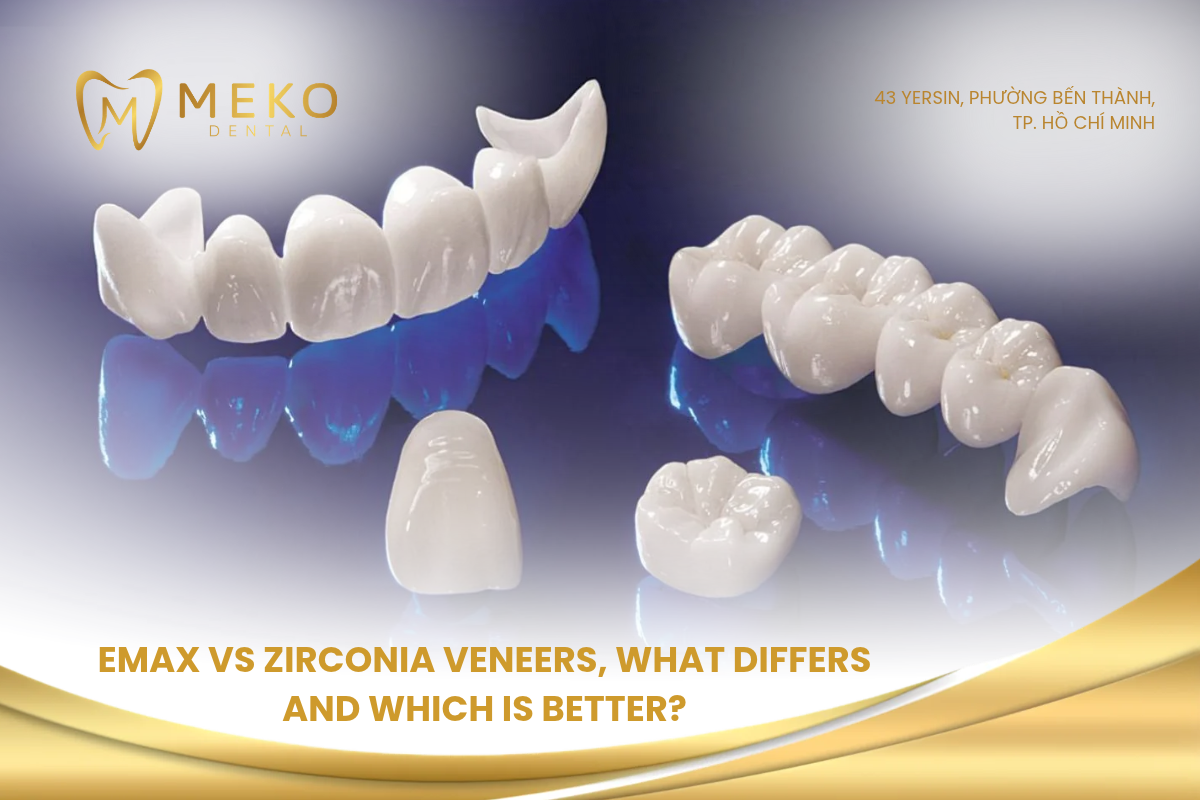
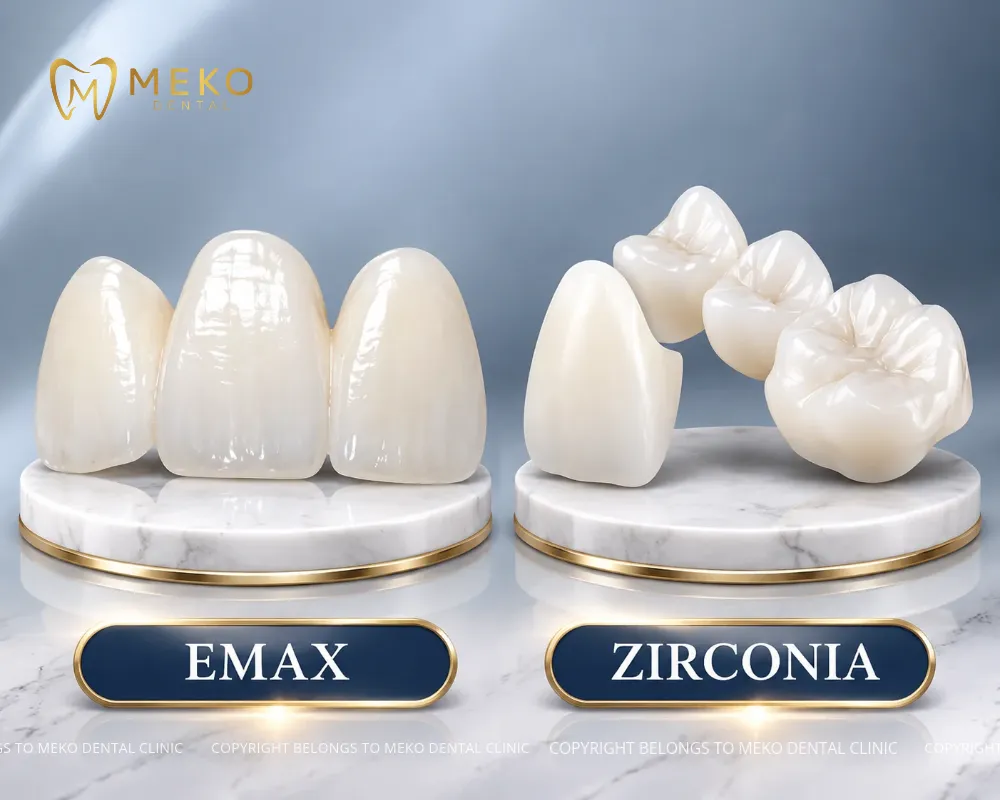
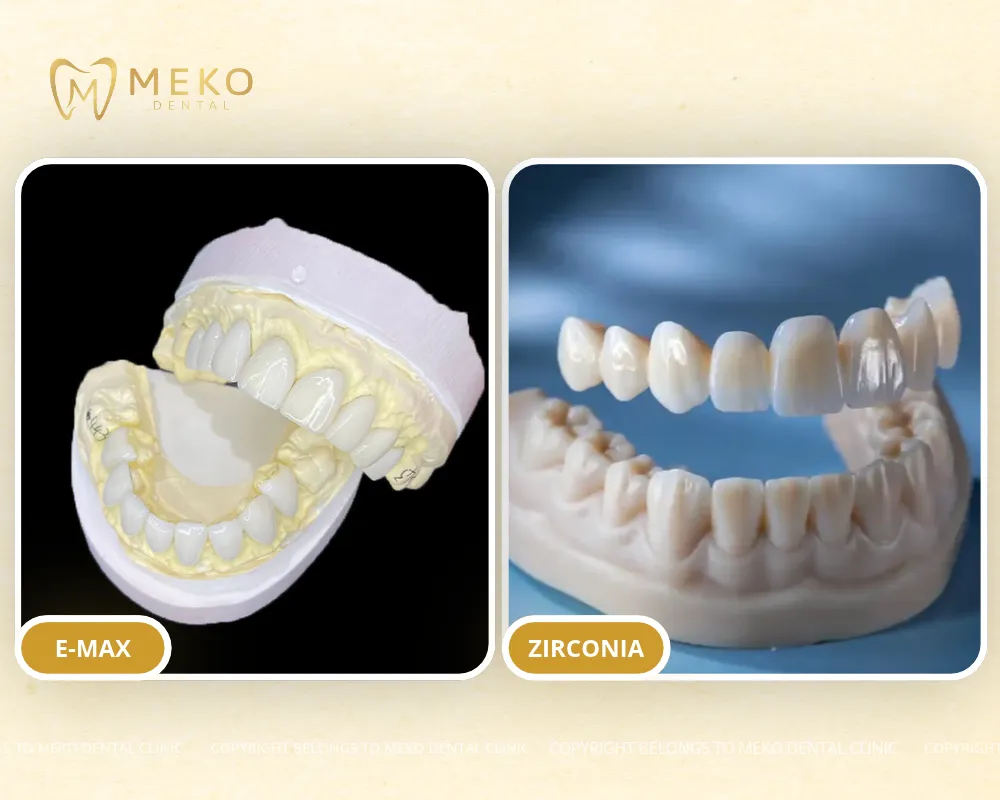
Emax veneers are thin shells made from lithium disilicate, a glass-ceramic. Zirconia veneers are made from zirconium dioxide, a dense ceramic with no glass content. The first is valued for enamel-like light behavior, the second for toughness and masking power.
2.1 Emax veneers
Emax veneers is made from lithium disilicate, a glass-ceramic developed by Ivoclar, with a manufacturer-listed flexural strength of 360 to 400 MPa. Pressed veneers can be made as thin as 0.3 mm, which may mean less enamel removal in suitable cases.
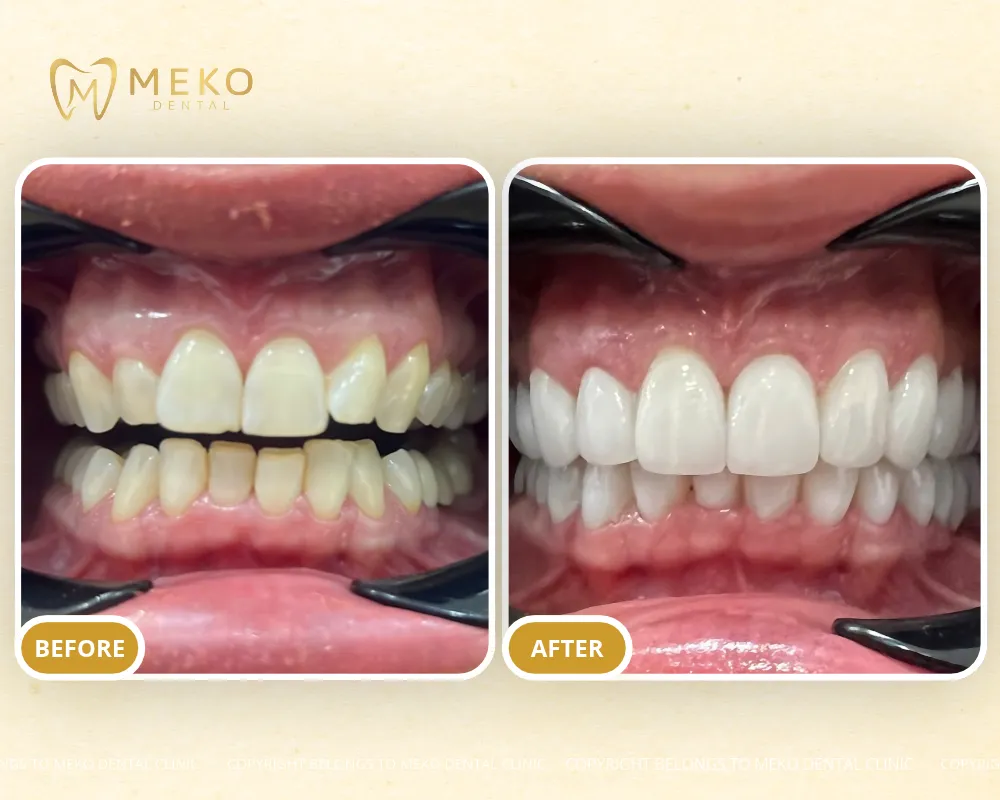
The glass content is what makes the material easy to bond. Its inner surface can be etched with hydrofluoric acid and treated with silane, which gives a dependable attachment to enamel. Many dentists see emax as the starting point in any emax vs zirconia veneers discussion for this reason.
2.2 Zirconia veneers
Zirconia veneers are made from zirconium dioxide and are usually milled by CAD/CAM. Conventional 3Y zirconia reaches 1,000 MPa or more in flexural strength, while the newer, more translucent 5Y type is weaker, often reported at roughly 600 to 800 MPa.
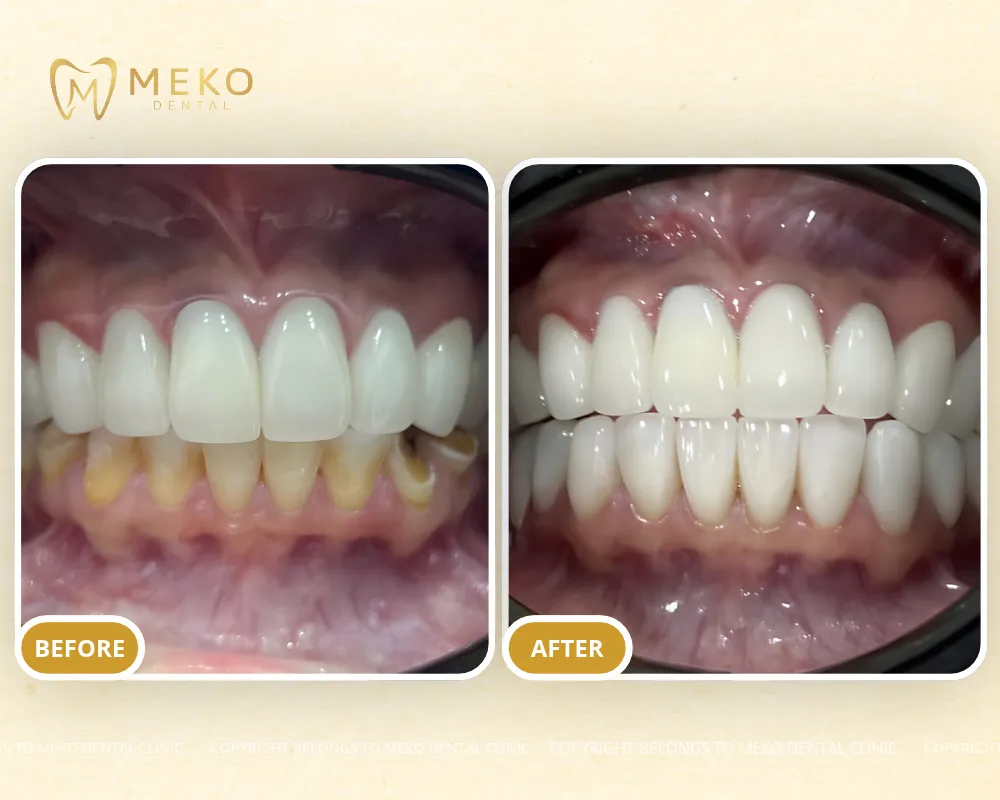
The 5Y type looks closer to natural enamel than older zirconia, though laboratory tests still place its translucency between conventional zirconia and lithium disilicate. Clinical follow-up for zirconia veneers is also much shorter, which limits what can be said about emax vs zirconia veneers over several decades.
3. Emax vs zirconia veneers compared side by side
The difference between emax and zirconia veneers comes down to optics, bonding and evidence. Emax offers higher translucency and an etchable surface with a long clinical record. Zirconia offers higher raw strength and better masking, but its veneer research covers shorter periods.
The table below summarizes emax vs zirconia veneers using typical published values. Brand, composition and thickness shift these numbers, so the exact product matters.
| Factor | Emax (lithium disilicate) | Zirconia |
| Flexural strength | 360 to 400 MPa | About 600 to 800 MPa (5Y), 1,000 MPa or more (3Y) |
| Translucency | High, close to enamel | Lower, though 5Y types come closer |
| Thin designs | Pressed down to 0.3 mm (manufacturer) | Milled thin, but fracture resistance falls as thickness drops |
| Bonding | Hydrofluoric acid etch and silane | Air abrasion and MDP-containing primer or cement |
| Masking dark teeth | Limited | Better |
| Long-term veneer data | About 97% survival at ten years | Short follow-up, around two to three years |
3.1 Is zirconia stronger than emax?
On paper, zirconia is the stronger material, but a bonded veneer depends on the tooth, the cement and the ceramic working together. In laboratory tests with a dentin-like base, conventional zirconia carried the highest load. Lithium disilicate carried more than the translucent 5Y type.
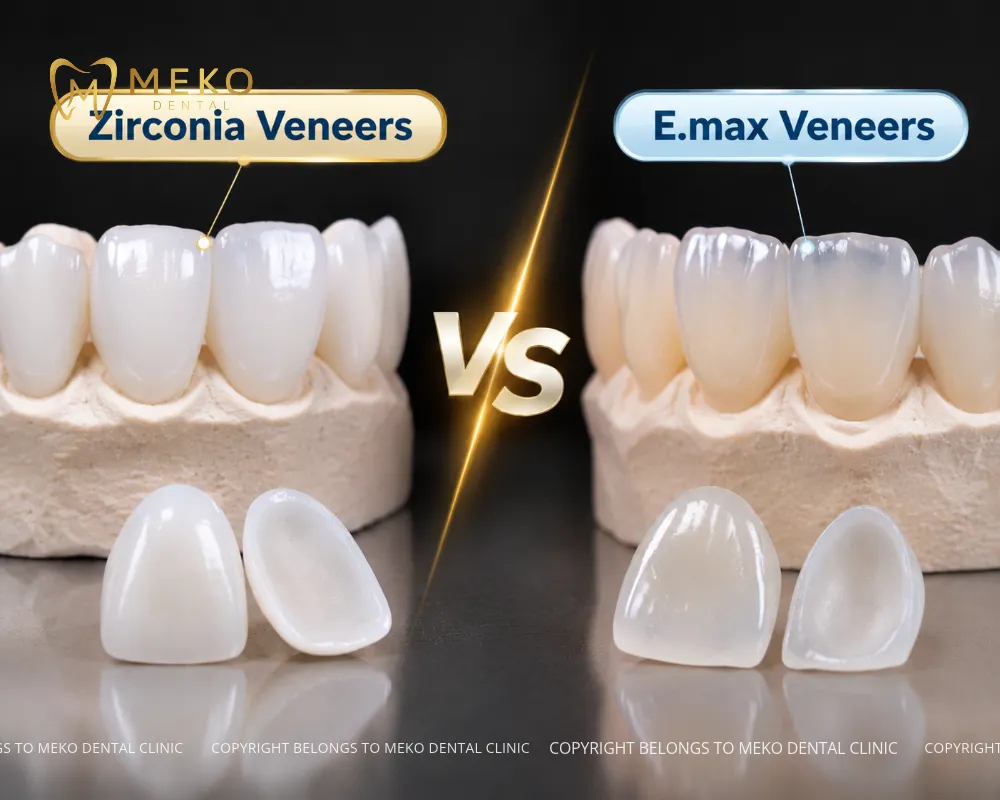
Veneer thickness also affects strength, because thinner veneers resist fracture less well in both lithium disilicate and zirconia. That is why emax vs zirconia veneers cannot be judged on a single MPa figure. Zirconia vs emax veneers comparisons only make sense when both are tested at the same thickness.
3.2 Which material looks more natural?
Emax usually looks more natural because its translucency is higher, so light passes through the veneer much as it passes through enamel. Ultra-translucent 5Y zirconia has narrowed the gap but has not closed it. This matters most when comparing emax veneers vs zirconia on front teeth.
Thin zirconia veneers also let more light through than thick ones, and a lighter tooth underneath helps. The shade of the underlying tooth still shapes the final result.
3.3 Which material hides dark teeth better?
Zirconia hides dark teeth better, because lithium disilicate may not cover heavy discoloration, a dark post or a metal core unless the veneer is made thicker. Extra thickness means more tooth reduction, so an opaquer material can sometimes be the more conservative choice. This is why masking often decides emax vs zirconia veneers for a single dark tooth.
3.4 Does zirconia wear opposing teeth?
Research on the wear of opposing teeth gives mixed results, because enamel wear depends on several factors and surface finish is among the most important. Well-polished zirconia is generally judged favorable from a friction and wear standpoint.
4. Why bonding matters in emax vs zirconia veneers?
Bonding is where the two ceramics differ most in daily practice. Lithium disilicate is etched with hydrofluoric acid and primed with silane. Zirconia has no glass phase, so it relies on air abrasion and primers or cements containing 10-MDP.
Emax veneers vs zirconia veneers also differ in how they are cleaned. Saliva contamination during try-in weakens the zirconia bond, and only an alkaline cleaning solution removes it.
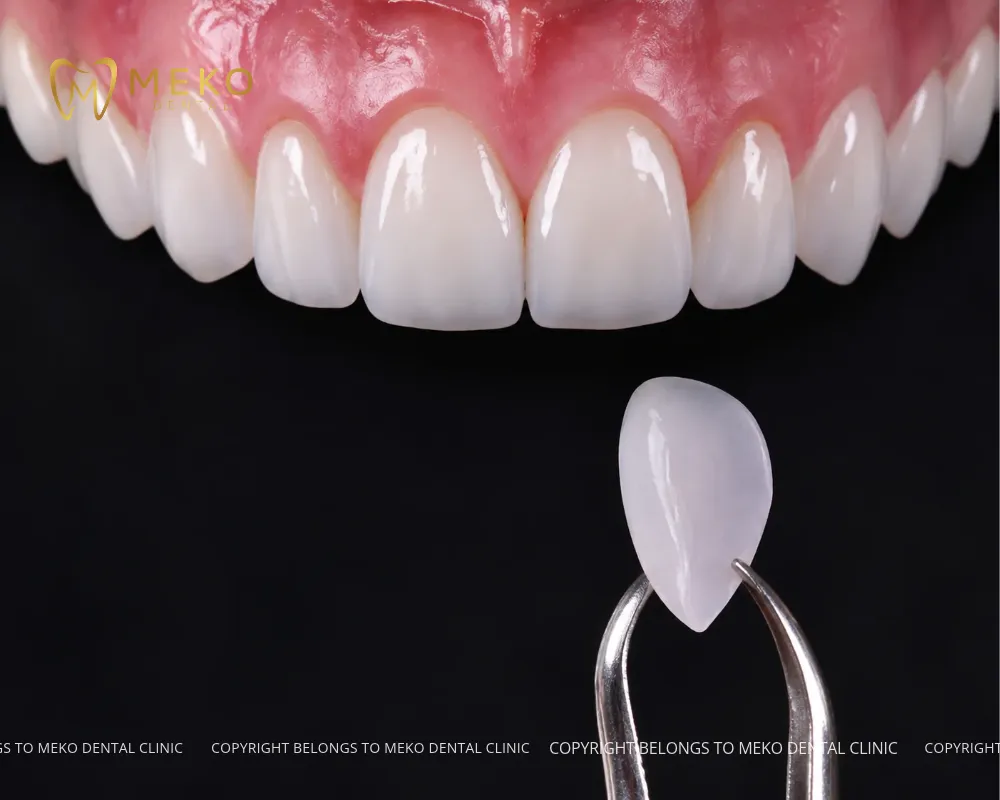
Bond quality also depends on the tooth itself. Veneers bonded mainly to dentin fail more often than those bonded to enamel, so enamel preservation is a priority. That makes emax vs zirconia veneers partly a question of how well each ceramic attaches to the tooth.
5. Choosing emax or zirconia veneers for each case
For healthy front teeth with enough enamel, emax is usually the first choice. Zirconia earns its place on dark or heavily restored teeth, and sometimes where bite forces are high. The better material depends on the tooth, not on the brand name.
These situations show how the emax vs zirconia veneers decision usually plays out:
| Situation | Usual direction |
| Light to moderate staining on front teeth | Emax, for translucency and bonding record |
| Dark teeth, metal posts, root-canal discoloration | Zirconia, for masking |
| Limited enamel or large dentin exposure | Bonding is less predictable for either material, so another restoration may be suggested |
| Grinding or clenching | Bite assessment and night guard discussion before the material is chosen |
| Mixed needs in one smile | Emax in the smile zone, zirconia on teeth that need masking |
Choosing emax or zirconia veneers should follow an examination of enamel, bite and tooth shade. A mock-up helps patients preview the result before any tooth is prepared.
6. Frequently asked questions
6.1 Is there a clear winner in emax vs zirconia veneers?
There is no single winner, because emax leads in translucency and bonding predictability while zirconia leads in strength and masking. The better material depends on the tooth, the enamel available and the bite.
6.2 Do zirconia veneers last longer than emax veneers?
No study has shown that zirconia veneers last longer. Lithium disilicate veneers reach about 97% survival at ten years, while zirconia veneer data covers much shorter periods. Bonding, bite forces and home care also affect how long either material lasts.
6.3 Can zirconia be etched like emax?
Zirconia cannot be etched the way emax is, because it lacks the glass phase that hydrofluoric acid attacks. Bonding relies on air abrasion and MDP-containing products instead.
6.4 What should patients ask about emax vs zirconia veneers?
Patients can ask which material is planned for each tooth and why. They can also ask how much enamel will remain and whether a night guard is advised.
Emax offers natural translucency, a proven bond and a long clinical record, while zirconia offers toughness and strong masking with shorter follow-up. Matching the material to each tooth gives a better result in emax vs zirconia veneers than following a trend.
Veneer material cannot be chosen reliably from photos or general advice alone. Patients can book a consultation at Meko Dental Clinic to have their enamel, bite and tooth color examined. The dentist can then explain which option suits each tooth and answer questions about emax vs zirconia veneers before any tooth is prepared.
References
- DentistryIQ. IPS e.max HT features lithium disilicate material (Ivoclar Vivadent product announcement). 2009. https://www.dentistryiq.com/dentistry/restorative-cosmetic-and-whitening/article/16370740/ips-emax-ht-features-lithium-disilicate-material
- Zhang Y, Lawn BR. Novel zirconia materials in dentistry. J Dent Res. 2018;97:140-147. https://pmc.ncbi.nlm.nih.gov/articles/PMC5784474
- Mao L, et al. Graded ultra-translucent zirconia (5Y-PSZ) for strength and functionalities. J Dent Res. 2018;97:1222-1228.


 Messenger FB
 WhatsApp
 Book now