

Contents [ Hide ]
Zoom teeth whitening aftercare can seem confusing when one clinic recommends avoiding coffee for two hours while another advises 48 hours. Food choices, temporary sensitivity, and daily brushing raise questions about what truly matters after whitening. The sections below clarify which precautions matter, which restrictions are optional, and how patients can protect their brighter smiles.
1. Zoom teeth whitening aftercare instructions for the first 48 hours
Patients often hear conflicting advice about when to resume coffee or ordinary meals. The table below organizes Zoom teeth whitening aftercare into three periods and distinguishes manufacturer guidance from optional clinic restrictions. Specific instructions from the treating dentist remain the priority whenever a different Zoom protocol is used.
| Timeframe | What to Do | What to Avoid | Important Notes |
| Immediately after whitening | Drink room-temperature water, eat when permitted | Coffee, tea, red wine, and tobacco for at least 2 hours | Follow the dentist’s specific instructions |
| First 24 hours | Eat rice, eggs, or chicken, brush gently | Dark sauces, colored drinks, and extremely hot or cold foods | Use sensitivity toothpaste if needed |
| 24-48 hours | Rinse with water after meals, continue gentle brushing | Frequent dark drinks and smoking | Continue food restrictions if advised by the dentist |
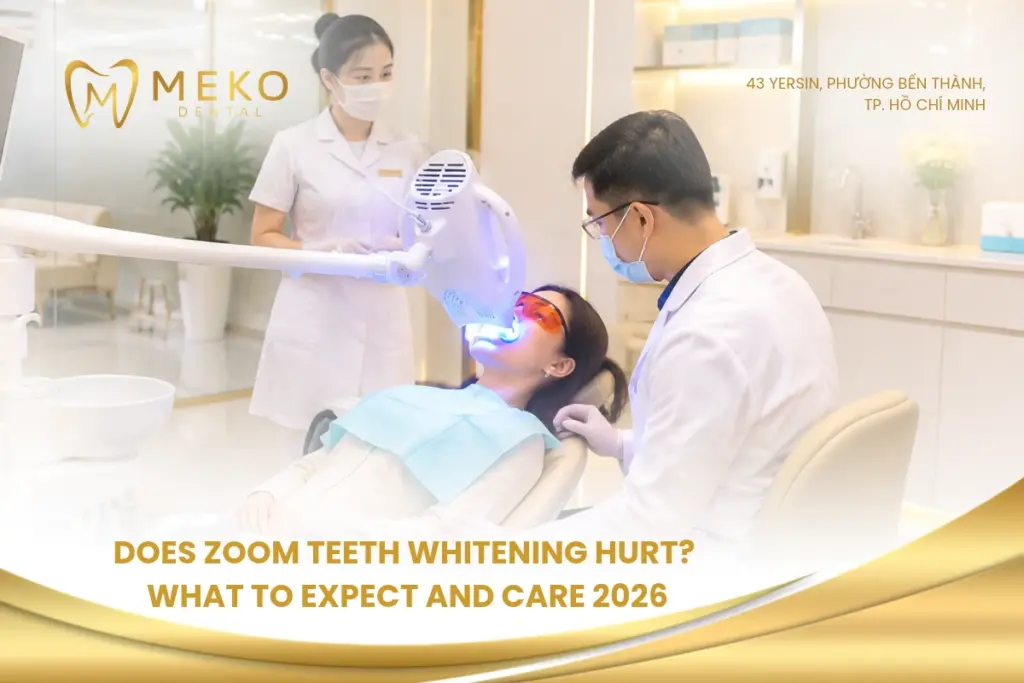
Zoom teeth whitening is a professional whitening treatment from Philips, including the WhiteSpeed system used in dental clinics. Its two hour restriction allows the protective saliva film to reform. Longer restrictions reflect individual clinic protocols, so patients should follow the specific instructions given after their appointment.
2. What can you eat and drink after Zoom teeth whitening?
Food choices can affect comfort, but strict color restrictions are not supported for every patient. During zoom teeth whitening aftercare, the practical distinction is between items that may add stains over time and foods that are easier to tolerate while teeth feel sensitive.
2.1 Foods and drinks to avoid after Zoom whitening
A 2024 systematic review assessed 17 studies, including 5 clinical trials. For in office whitening, dietary restrictions did not significantly improve color outcomes after one month, with p= 0.90. Therefore, Zoom teeth whitening after care should not be presented as a compulsory white food diet for everyone.
| Food or drink | Reason to limit | Recommended alternative |
| Coffee and dark tea | Frequent exposure may add surface stains. | Water or milk |
| Red wine and cola | Strong coloring may contribute to discoloration | Still water |
| Soy sauce and curry | Deeply colored sauces can contribute to stains | Light broth or mild seasoning |
| Berries and beetroot | Natural pigments may stain teeth | Banana or peeled pear |
| Citrus drinks | Acidity can worsen temporary sensitivity | Plain water |
| Very hot or iced drinks | Extreme temperatures may trigger sharp discomfort | Room-temperature drinks |
2.2 Recommended foods and drinks after Zoom whitening
A Zoom teeth whitening aftercare diet can remain varied and nutritious. Mild foods at comfortable temperatures are useful when sensitivity makes ordinary meals unpleasant. These options are practical preferences rather than a requirement to eat only white foods.
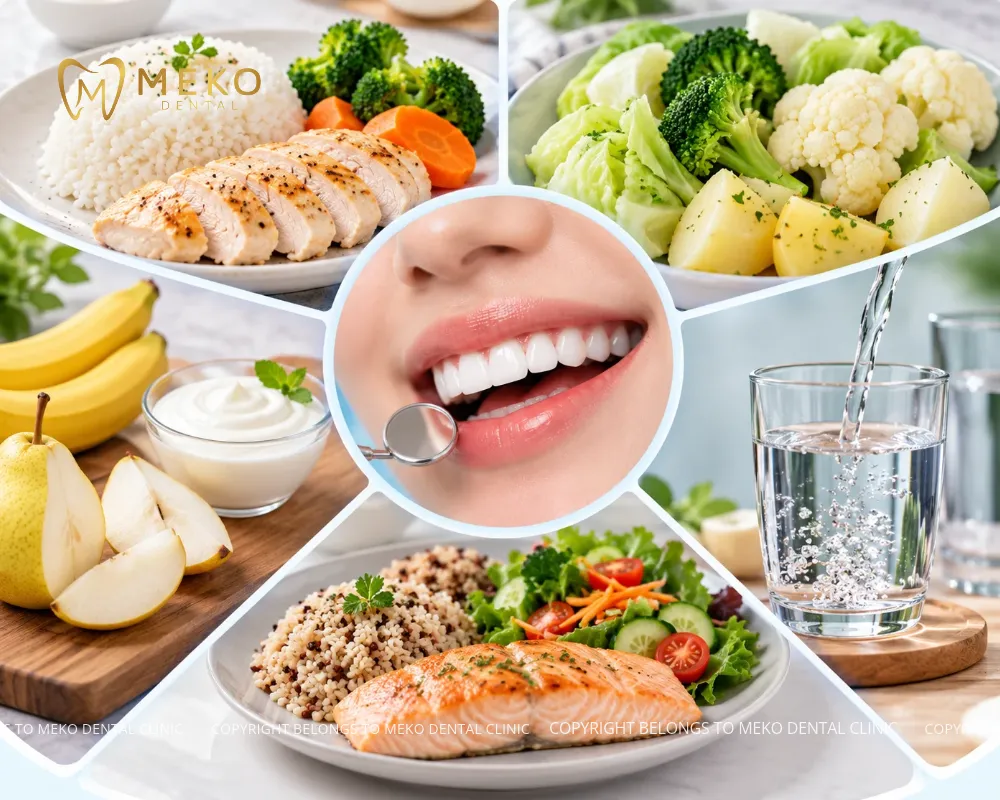
- Main meals: Rice or plain pasta with chicken, tofu, or fish provides filling meals without strongly colored sauces.
- Vegetables: Steamed cauliflower, cabbage, or peeled potatoes are suitable choices when seasoned lightly instead of using dark dressings.
- Snacks: Bananas, peeled pears, and plain yogurt are convenient options when chewing feels slightly uncomfortable.
- Drinks: Room-temperature water is the preferred beverage, especially when hot coffee or chilled soda triggers sensitive teeth.
- Balanced eating: Maintain adequate protein, fiber, and calories rather than following an unnecessarily restrictive white-food diet.
3. How to relieve tooth sensitivity after Zoom whitening?
Temporary sensitivity and gum irritation can occur after whitening. The American Dental Association reports sensitivity in up to two thirds of users during early whitening stages across different methods, not Zoom alone. Zoom teeth whitening aftercare should respond to symptoms rather than assume identical recovery for every patient.
A 2026 umbrella review of 24 systematic reviews found that potassium nitrate and sodium fluoride can reduce whitening related sensitivity. These findings cover multiple whitening methods. An after care Zoom whitening routine may include the following steps.
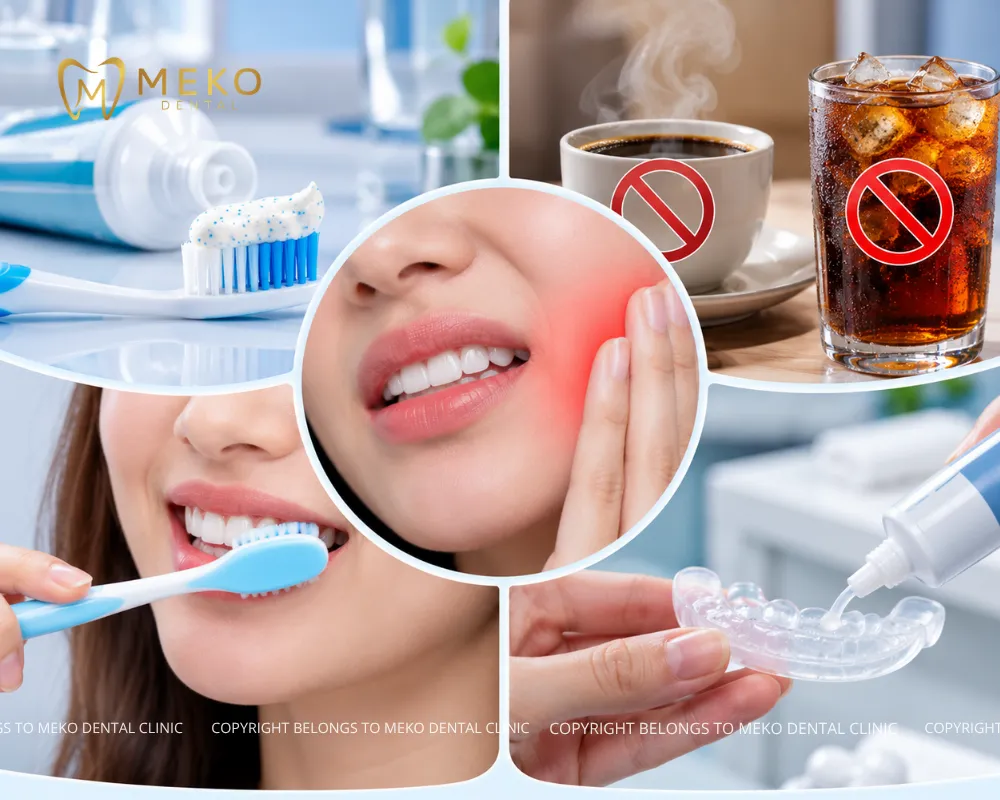
- Use sensitive toothpaste: Brush with fluoride toothpaste formulated for sensitive teeth, preferably one recommended by the dentist.
- Control food temperatures: Allow hot food to cool and avoid iced drinks until temperature changes no longer trigger discomfort.
- Brush gently: Use light pressure and a soft-bristled toothbrush, particularly around gums that feel tender after whitening.
- Ask about Relief ACP: Philips Relief ACP may help manage sensitivity when prescribed, apply the gel according to the dentist’s instructions.
4. How should you brush and floss after Zoom whitening?
Normal cleaning should continue after whitening, even when teeth feel slightly tender. During Zoom teeth whitening aftercare, the priority is plaque removal without extra friction or harsh bleaching products. The American Dental Association recommends brushing twice daily and cleaning between teeth once daily, a routine that also applies after whitening.
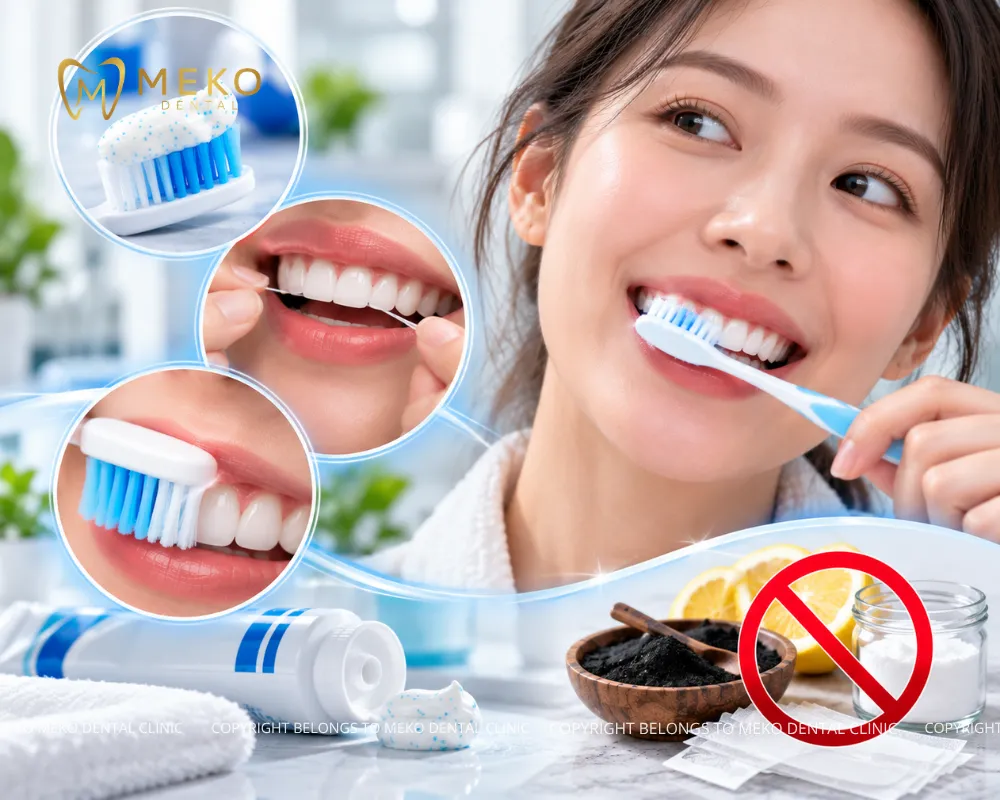
- Brush twice a day: Use a soft bristled brush with gentle movements along the teeth and gumline.
- Keep fluoride toothpaste: Fluoride supports enamel health, a sensitivity formula may be suitable if discomfort occurs.
- Floss once daily: Guide floss around each tooth carefully instead of snapping it against sore gum tissue.
- Skip abrasive whitening methods: Avoid charcoal powders, acidic homemade mixtures, and extra bleaching strips without dental approval.
5. How does tooth enamel recover after Zoom whitening?
Peroxide whitening can temporarily alter enamel surface hardness, roughness, and mineral content. A 2026 scoping review in the Journal of Dentistry examined 24 human studies, including 21 in situ and 3 in vivo investigations. Enamel properties often showed partial or complete recovery through saliva, commonly over 7 to 15 days.
This evidence gives Zoom teeth whitening aftercare a longer perspective than the first 48 hours. Saliva helps restore mineral balance, but the research covered several bleaching methods, not only Zoom. The 7 to 15 day range describes findings across studies, not a personal deadline or proof of permanent enamel damage.
6. How to maintain Zoom whitening results after the first 48 hours?
Whitened natural teeth can accumulate new stains, and the final shade may change as moisture levels normalize. Long term Zoom teeth whitening aftercare therefore centers on controllable habits rather than repeated bleaching. Results vary by smoking status, dietary exposure, oral health, and the whitening product used during the original appointment.
- Limit repeated staining exposure: Reduce frequent coffee, black tea, and red wine consumption instead of sipping them throughout the day.
- Rinse after colored foods: Swish with plain water after strongly pigmented meals to help remove lingering food residues.
- Avoid tobacco: Smoking and tobacco use can darken teeth and contribute to gum disease over time.
- Maintain checkups and cleanings: Brush twice daily, clean between teeth daily, and attend appointments at the interval advised by the dentist.
- Discuss future whitening: Arrange a shade review before using additional gels or trays, particularly when existing dental restorations are present.

7. Frequently asked questions
7.1 Does accidentally drinking coffee ruin Zoom whitening results?
No, drinking one cup of coffee does not automatically reverse recent Zoom whitening results. Patients can rinse thoroughly with plain water afterward to clear remaining coffee residue from their teeth. Repeated exposure may contribute to staining, but aggressive brushing or immediate additional whitening is unnecessary.
7.2 Is it normal for teeth to look slightly darker a few days after Zoom whitening?
Yes, teeth can appear slightly darker as temporary dehydration gradually resolves following Zoom whitening. Fillings, crowns, and veneers also retain their original shades, which may create uneven color. Patients should contact a dentist if noticeable uneven patches persist or the shade change seems particularly unusual.
7.3 Can take home whitening trays be used immediately after Zoom whitening?
No, additional whitening trays should not be used immediately unless the dentist specifically approves them. Some Philips Zoom protocols allow prescribed gel after 24 hours, depending on sensitivity and the whitening system. Starting earlier without guidance may worsen discomfort, and some patients need no trays.
7.4 Can patients wear orthodontic retainers after Zoom whitening?
Yes, orthodontic retainers can generally be worn again after Zoom whitening if they fit comfortably. Patients should follow any different instructions given by their treating dentist, especially if gums feel irritated. A retainer causing pressure, pain, or persistent discomfort should be checked before continued use.
8. Conclusion
Effective Zoom teeth whitening aftercare combines appropriate eating habits, gentle oral hygiene, and timely management of sensitivity. The manufacturer’s initial guidance and longer clinic restrictions are not identical, while clinical research does not support a compulsory white food diet for everyone. Persistent discomfort or unexpected shade changes deserve professional review.
For patients experiencing these concerns, Meko Dental Clinic provides dental examinations and personalized guidance after whitening. Patients can contact the clinic at 0772 277 919 to discuss ongoing sensitivity, uneven color, or follow up visits. A professional assessment can identify contributing factors and guide appropriate care based on individual needs.


 Messenger FB
 WhatsApp
 Book now