

Contents [ Hide ]
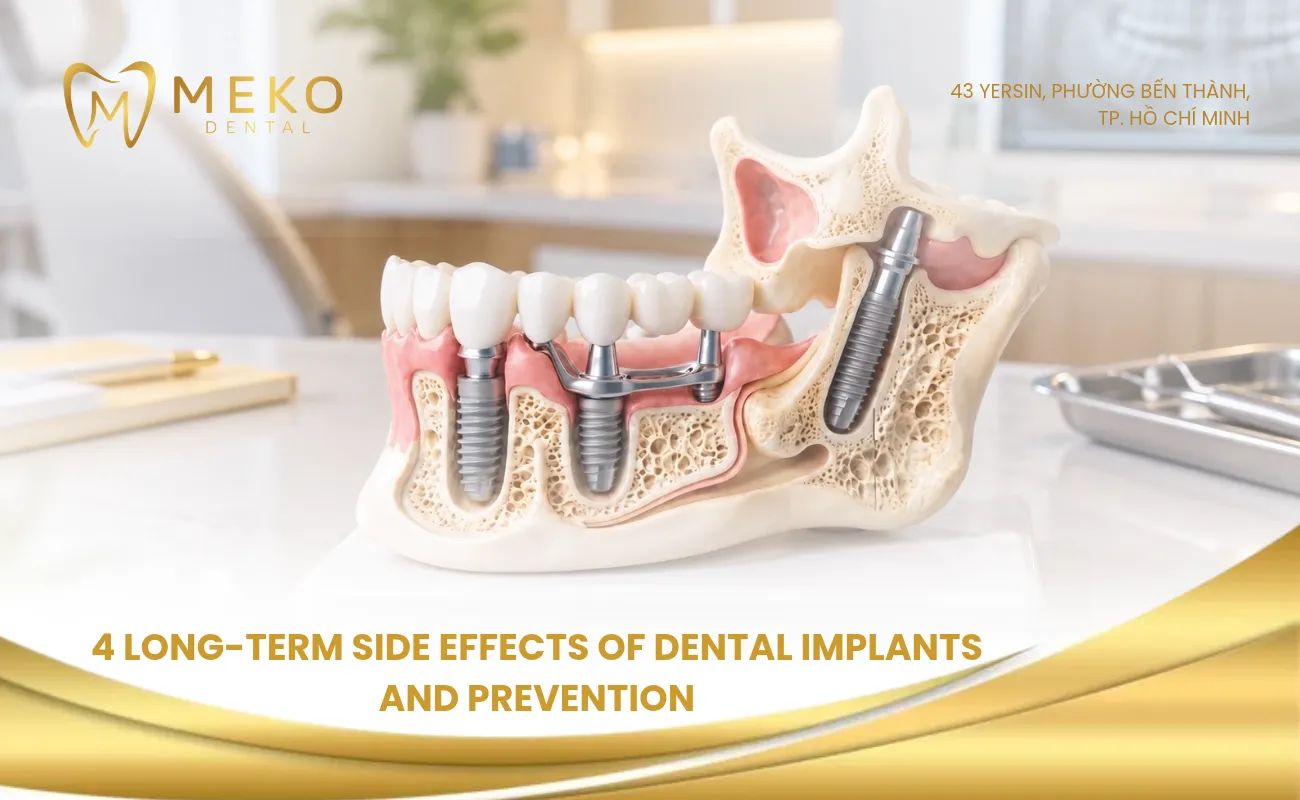
Long-term side effects of dental implants may develop years after healing, even when chewing feels normal. Possible complications include gum inflammation, gradual bone loss, loose restoration components, and late implant failure. These problems are not inevitable and may initially cause little discomfort. The sections below explain their causes, warning signs, and ways to reduce risks.
1. Can dental implants cause long-term side effects?
Yes. Even when an implant has bonded firmly with the jawbone, inflammation or damage can appear years later. These changes differ from mild swelling, tenderness, or bleeding in the days after surgery. Early postoperative symptoms generally ease during healing, while late complications develop or persist long after normal chewing has resumed.
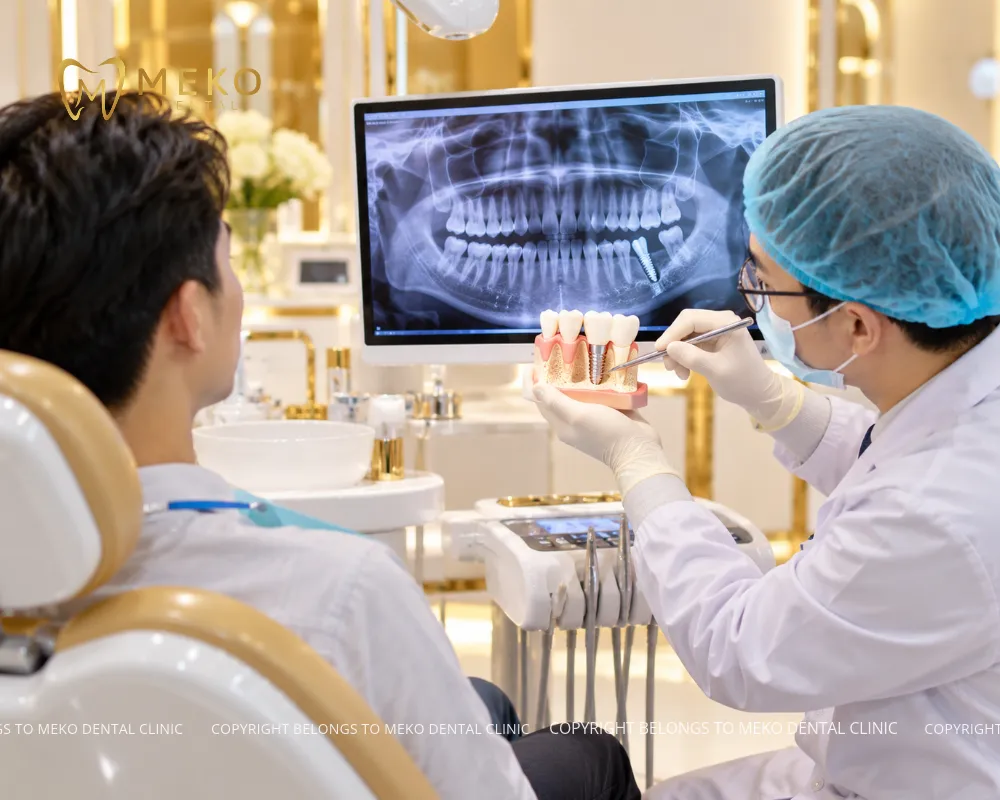
Discussions of dental implants long term side effects should distinguish implant survival from implant health. A fixture may remain firmly in place while the gums bleed or its crown needs repair. Long-term side effects of dental implants depend partly on oral hygiene, general health, bite forces, restoration design, and follow-up care. The following sections explain the main complications.
2. What are the long-term side effects of dental implants?
Some problems begin in the gums and supporting bone, while others involve the crown or connecting parts. Inflammation can undermine bone support, whereas mechanical damage may interfere with chewing. The severity depends on the affected structures and how early changes are identified.
2.1 Peri-implantitis and chronic gum inflammation
Peri-implant mucositis affects the gum tissue around an implant without progressive bone loss, whereas peri-implantitis combines inflammation with ongoing loss of supporting bone. Both conditions may develop years after placement, especially when plaque accumulates near the crown, but peri-implantitis poses a greater risk to long-term stability.
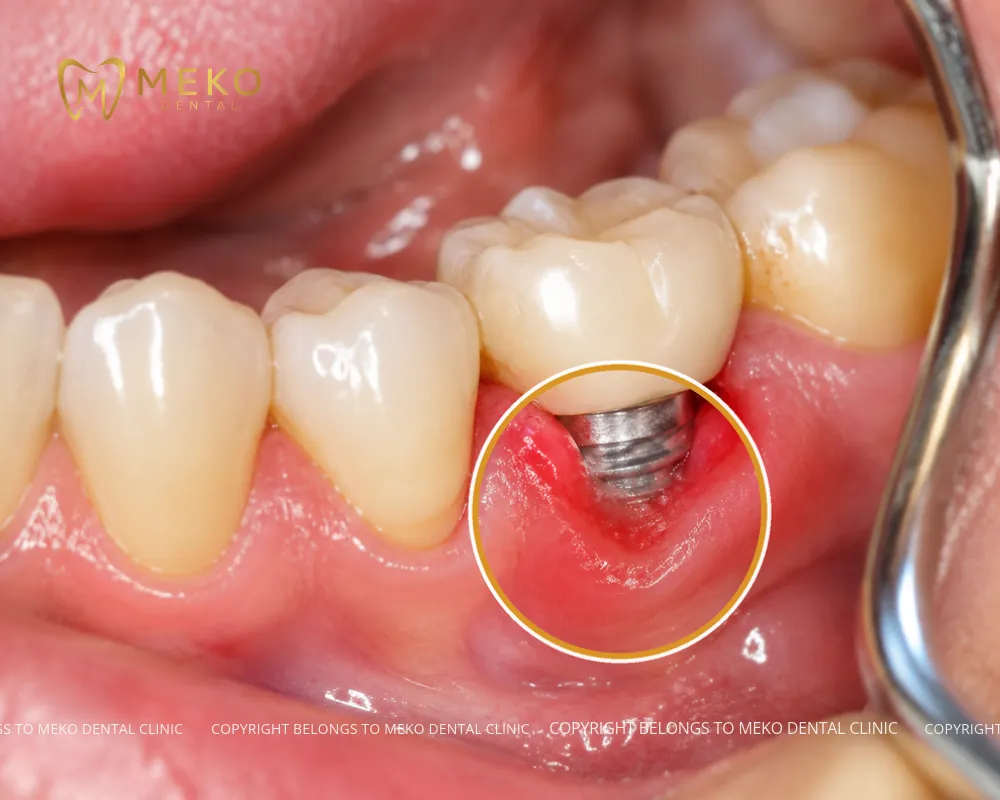
A 2025 AO/AAP systematic review estimated that 61% of patients developed peri-implant mucositis within ten years. Redness and bleeding may appear before obvious discomfort, so early checks matter. Among long-term side effects of dental implants, persistent inflammation deserves attention before deeper tissues and bone become affected.
2.2 Progressive bone loss and gum recession
After an dental implant placement procedure, limited bone remodeling can occur while the surrounding tissues adapt. Continuing loss over successive examinations is different. Dentists compare current X-rays with earlier records to recognize progressive changes instead of assuming that every small difference in bone height signals a serious problem.
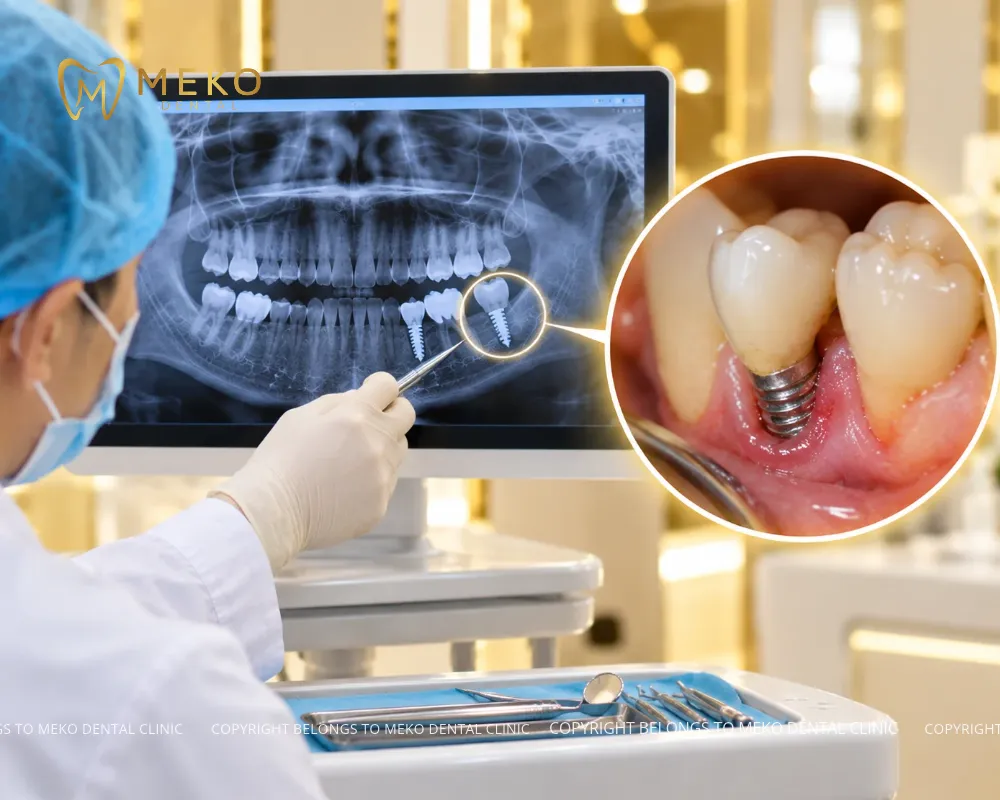
Plaque-related inflammation, difficult-to-clean restorations, and individual health factors can contribute to declining bone support. As bone levels fall, gums may recede, implant threads may become visible, and the gumline may look uneven. These long-term side effects of dental implants can affect appearance and stability even without ongoing discomfort.
2.3 Loose screws, damaged crowns, and implant fractures
Over years of chewing, an implant crown may chip, a retaining screw may loosen, or the connector between crown and fixture may become damaged. Teeth grinding and excessive bite forces place additional stress on these parts. Fracture of the fixture embedded in the jawbone is much less common.
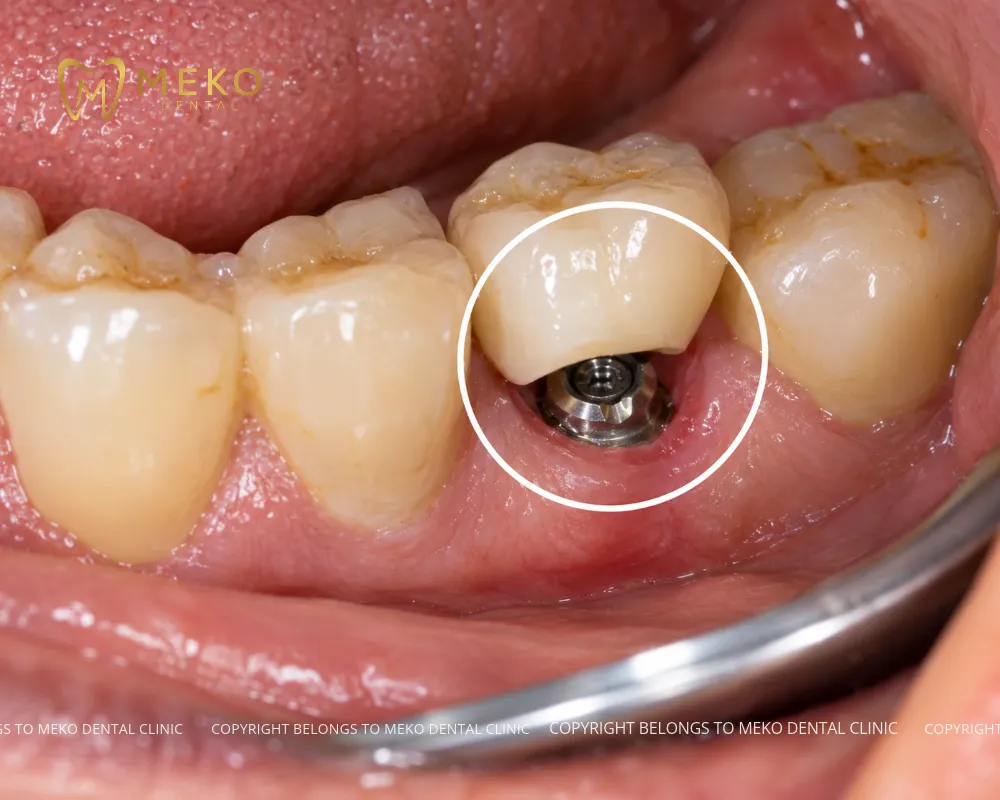
A 2012 systematic review by Jung and colleagues estimated screw loosening in 8.8% of implant-supported single crowns over five years. When assessing long-term side effects of dental implants, a loose crown must be distinguished from a truly mobile fixture. Repair depends on whether the crown, screw, connector, or implant itself is affected.
2.4 Late implant failure and loss of stability
Late implant failure develops when an implant that previously bonded with the jawbone gradually loses the support needed to remain stable. Ongoing bone loss from peri-implantitis can weaken this connection, while excessive bite pressure may contribute to further damage, particularly when other risk factors exist.
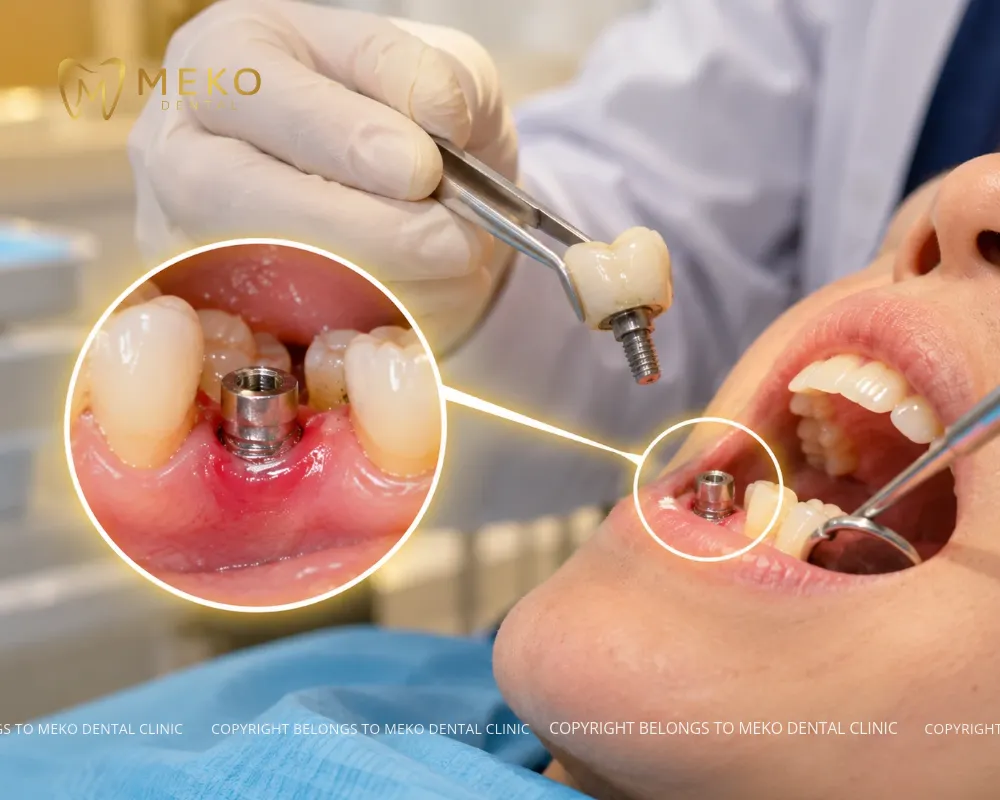
A failing implant may become mobile or cause discomfort during chewing, although a loose crown can produce similar symptoms. Dentists assess which component is moving before deciding on care, since many long-term side effects of dental implants can be managed without removing the fixture.
3. How common are long-term dental implant complications?
In a 2016 review, Hjalmarsson and colleagues reported that 95.0% of implants remained in place after at least ten years. However, 89.5% of the original crowns survived, indicating that implant survival differs from crown durability. Even stable implants may develop gum inflammation, bone loss, or mechanical complications over the years.
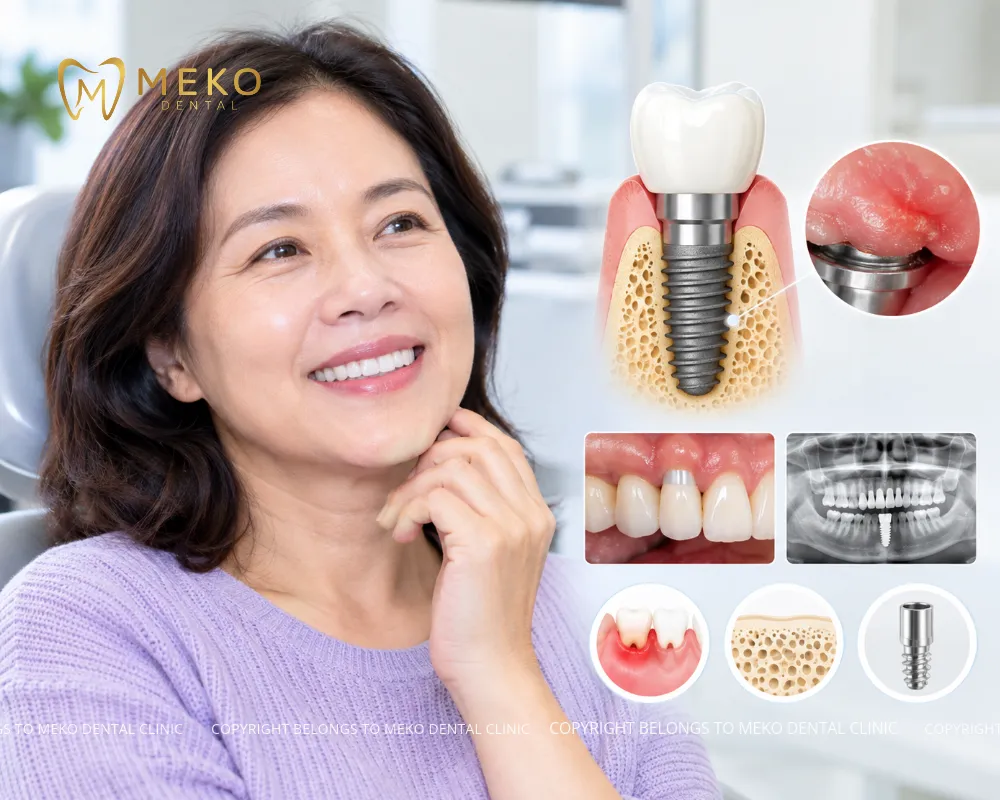
A 2025 AO/AAP review pooled evidence from 102 studies with 13,030 patients and estimated a 14% incidence of peri-implantitis over ten years. Estimates for long term side effects of dental implants differ across patient groups, clinical examination criteria, and study follow-up periods. The figure measures affected patients, not implants lost.
4. What increases the risk of long-term dental implant problems?
The risk of long-term side effects of dental implants depends on oral hygiene, gum health, medical conditions, and pressure on the restoration. A 2025 AO/AAP review highlights smoking, previous periodontal disease, and poorly controlled diabetes as important risk indicators. The table below explains how these factors may affect implant health.
| Risk factor | Impact on dental implants |
| Poor oral hygiene | Plaque buildup causes gum inflammation |
| Smoking | Increases the risk of peri-implant disease |
| History of gum disease | Raises the risk of inflammation and bone loss |
| Poorly controlled diabetes | Can impair healing and gum health |
| Teeth grinding (bruxism) | Increases stress on crowns and screws |
| Irregular dental checkups | Delays detection of developing complications |
5. Warning signs of dental implant problems years later
Long-term side effects of dental implants may appear gradually, sometimes without severe pain. Bleeding gums, changes in chewing comfort, or a loose crown can indicate developing problems. The table below highlights warning signs, possible causes, and when care is needed.
| Warning sign | Possible problem | Recommended action |
| Swollen or bleeding gums | Gum inflammation | Schedule a dental checkup |
| Pus or bad taste | Possible infection | Seek prompt dental care |
| Persistent unpleasant odor | Plaque buildup or inflammation | Arrange professional cleaning and examination |
| Pain when chewing | Inflammation or bite overload | Avoid pressure and get checked |
| Gum recession or exposed threads | Gum or bone loss | Arrange an implant examination |
| Loose crown or changed bite | Loose screw or crown damage | Seek prompt dental assessment |
| Fever or spreading facial swelling | Possible spreading infection | Seek urgent care |
Signs of tooth implant long term side effects can resemble minor crown problems, making it difficult to identify the cause without an examination. A dentist can check the implant and surrounding tissues, then recommend appropriate care before complications worsen further.
6. How are long-term dental implant complications treated?
Managing long-term side effects of dental implants depends on the cause, severity, and affected structures. A dentist evaluates gum health, bone support, and implant components before deciding what care is needed. The following five approaches address the most common complications.
- Clinical examination: The dentist checks gum inflammation, implant stability, bite pressure, and X-rays when needed to identify the affected structures and assess supporting bone levels.
- Nonsurgical care: Professional cleaning removes plaque and deposits around the implant while improved daily hygiene and regular reviews help control early gum inflammation and bleeding.
- Surgical care: Advanced peri-implantitis may require surgery to clean affected implant surfaces and, in suitable cases, help rebuild lost bone under carefully assessed clinical conditions.
- Mechanical repairs: The dentist may tighten or replace loose screws, repair damaged crowns, and adjust bite forces after identifying the component responsible for persistent discomfort.
- Implant removal: Severe bone loss, persistent infection, or fixture fracture may require removal followed by evaluation of bone support and appropriate options for future replacement.
7. How to prevent long-term side effects of dental implants
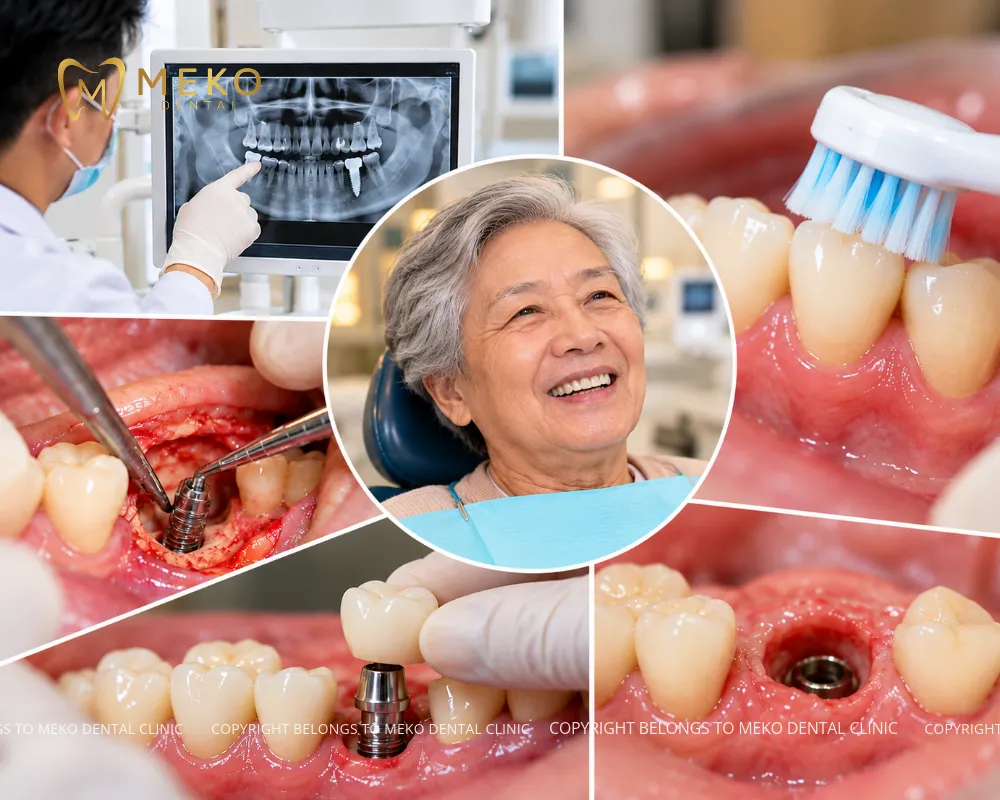
Preventing long-term side effects of dental implants requires daily plaque control and regular dental reviews. Gums and supporting bone can still develop problems after an implant becomes stable. The following steps focus on daily cleaning, avoiding preventable risks, and recognizing problems early.
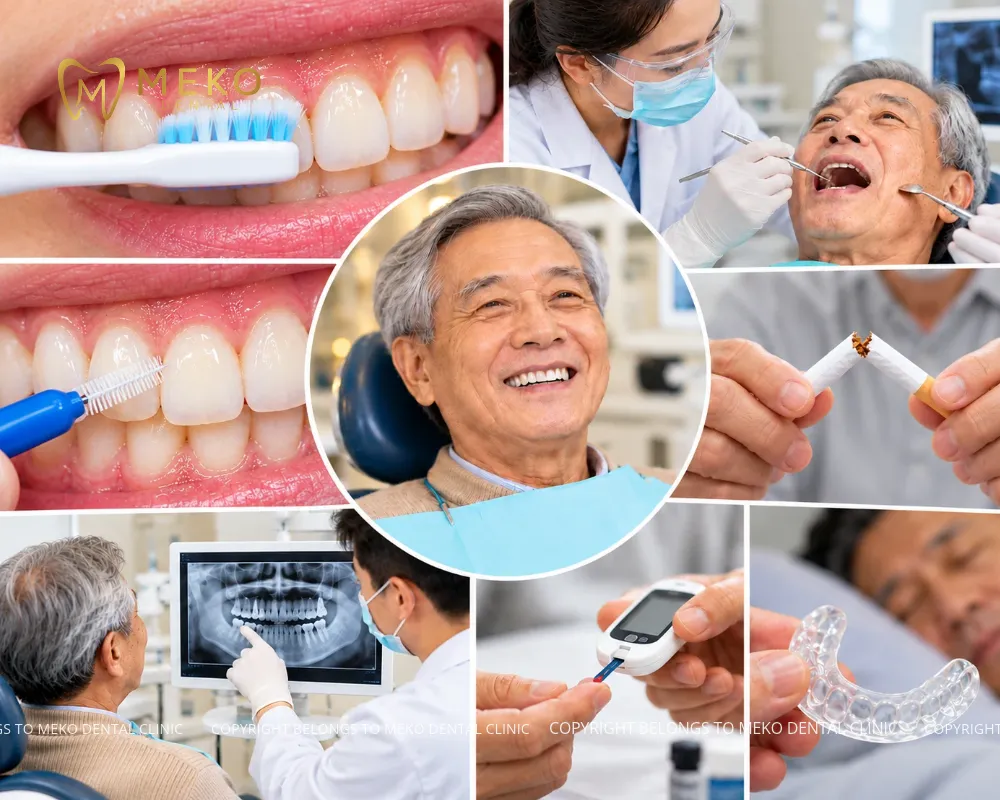
- Clean around the implant daily: Brush twice a day with a soft toothbrush, focusing on the gumline, and remove plaque using interdental brushes or floss.
- Attend regular dental checkups: Follow a maintenance schedule, often every three to six months, to assess gum inflammation, crown condition, and changes in bone support.
- Manage gum inflammation early: Arrange a dental examination for bleeding, swelling, or tenderness around the implant, especially when previous gum disease is present.
- Avoid smoking: Stopping tobacco use reduces a risk factor for peri-implant inflammation and helps protect the gums and supporting bone around the implant over time.
- Control diabetes when relevant: Keep blood glucose within the recommended range with ongoing medical guidance and report changes in health or medication during implant reviews.
- Address teeth grinding: Report morning jaw soreness, clenching, or repeated crown damage so the dentist can check bite pressure and consider a protective night guard.
8. Conclusion
Long-term side effects of dental implants can include persistent gum inflammation, progressive bone loss, and damage to crowns or connecting components. Although these problems do not occur in every case, recognizing changes early and maintaining regular dental examinations can help protect implant stability over time.
For concerns about an existing implant, Meko Dental Clinic offers an assessment of gum condition, bone support, and restoration components. Contact the clinic at 077 227 7919 to arrange an appointment, discuss symptoms, and receive personalized guidance on appropriate follow-up care from its dental team.


 Messenger FB
 WhatsApp
 Book now