
Contents [ Hide ]
The main types of veneers are porcelain, composite, no-prep and removable, plus one specialized option called palatal veneers. The different types of tooth veneers differ in material, enamel removal and lifespan, and those three points decide which option fits a given tooth.
This guide from Meko Dental Clinic compares the main options side by side. It also explains how long each one lasts and how to choose.
1. What are the different types of dental veneers?
Dental veneers are thin shells bonded to the front surface of teeth. The four common types are porcelain, composite, no-prep and removable veneers, and a fifth option exists for worn teeth. Each one differs in how much enamel is removed, how long it lasts and how easily it can be repaired.
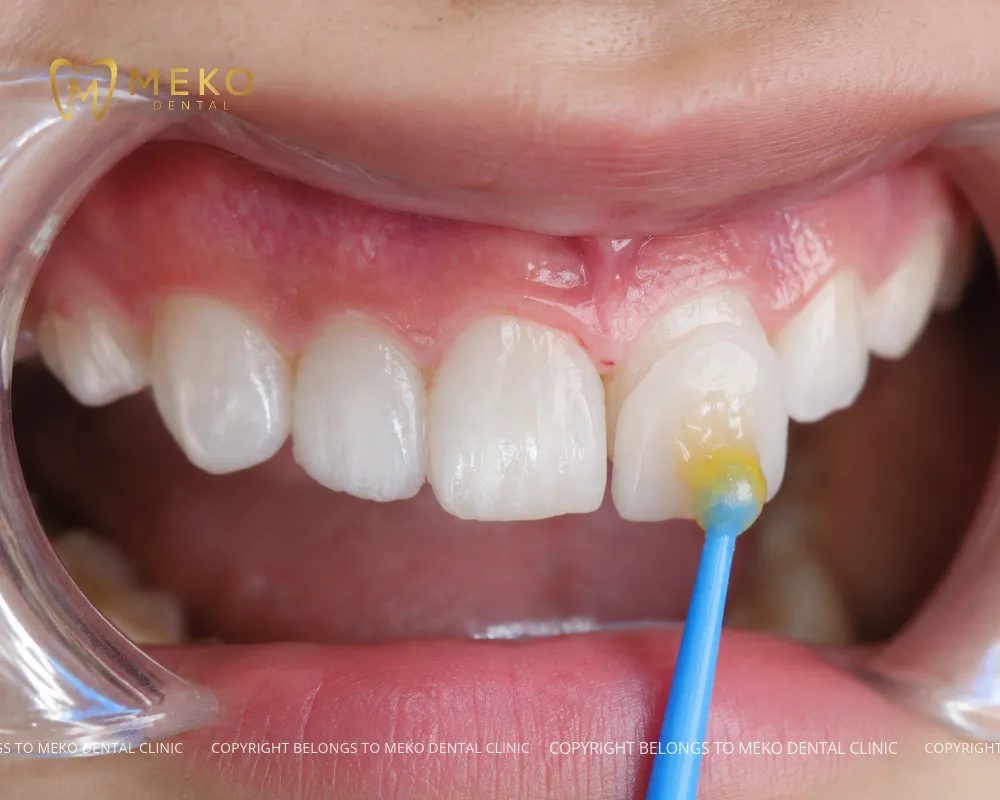
A crown, by contrast, wraps the whole tooth and is mainly used to rebuild one damaged by decay or injury. That difference makes veneers a cosmetic treatment.
The four common types of veneers, plus one specialized option, are:
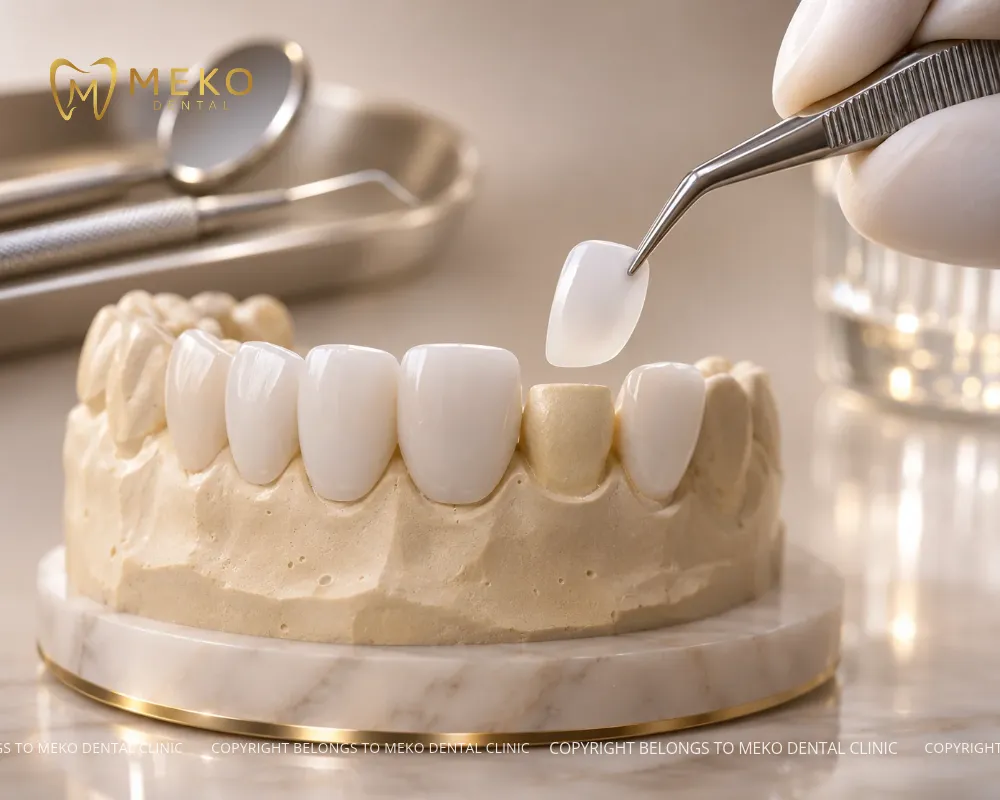
- Porcelain veneers are made in a laboratory and bonded after the tooth is prepared.
- Composite veneers are shaped from tooth-colored resin, the same material used in bonding.
- No-prep or minimal-prep veneers are very thin shells that remove less enamel.
- Removable veneers are pop-on covers that are not bonded.
- Palatal veneers are a specialized option for worn inner surfaces of upper teeth.
Most types of teeth veneers are permanent in practice, because enamel is trimmed to make room for them. Only the removable type leaves the tooth untouched, and no-prep versions simply trim less.
2. Type 1 – Porcelain veneers
Porcelain veneers are custom ceramic shells made in a dental laboratory and bonded after a thin layer of enamel is removed. They resist staining well and are the best studied of all the types of veneers. The main drawbacks are higher cost and the loss of enamel, which cannot be undone.
There are two different types of porcelain veneers: feldspathic porcelain and glass-ceramics such as lithium disilicate (e.max). Both are reliable choices, and studies show no clear winner between them.
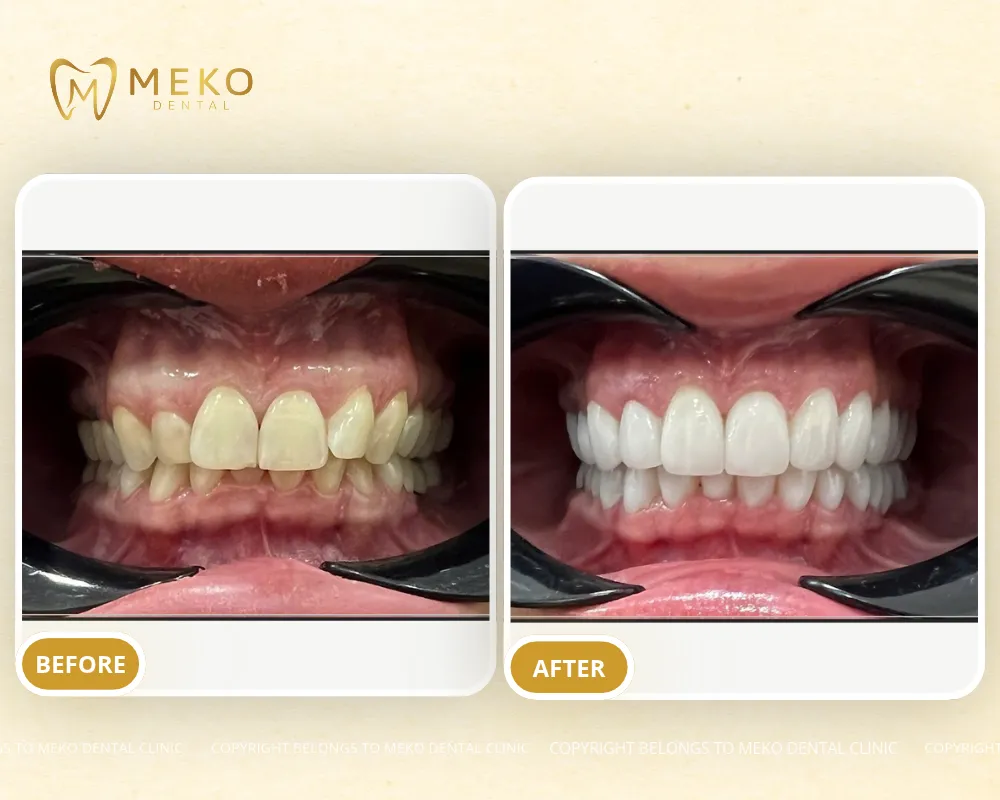
Treatment usually centers on two visits.
- At the first: the dentist examines the teeth, trims a little enamel and takes impressions, and temporary veneers cover the weeks the laboratory needs.
- At the second visit: the shells are checked for fit, bonded with dental cement and the bite is adjusted. Most people go back to their daily routine right after the appointment.
3. Type 2 – Composite veneers
Composite veneers are shaped from tooth-colored resin, the same material used in dental bonding. They often need less enamel removal and fewer visits than porcelain, and no impressions are required. Compared with the other types of veneers, composite usually costs less and suits mild cosmetic concerns, such as a single chipped edge.
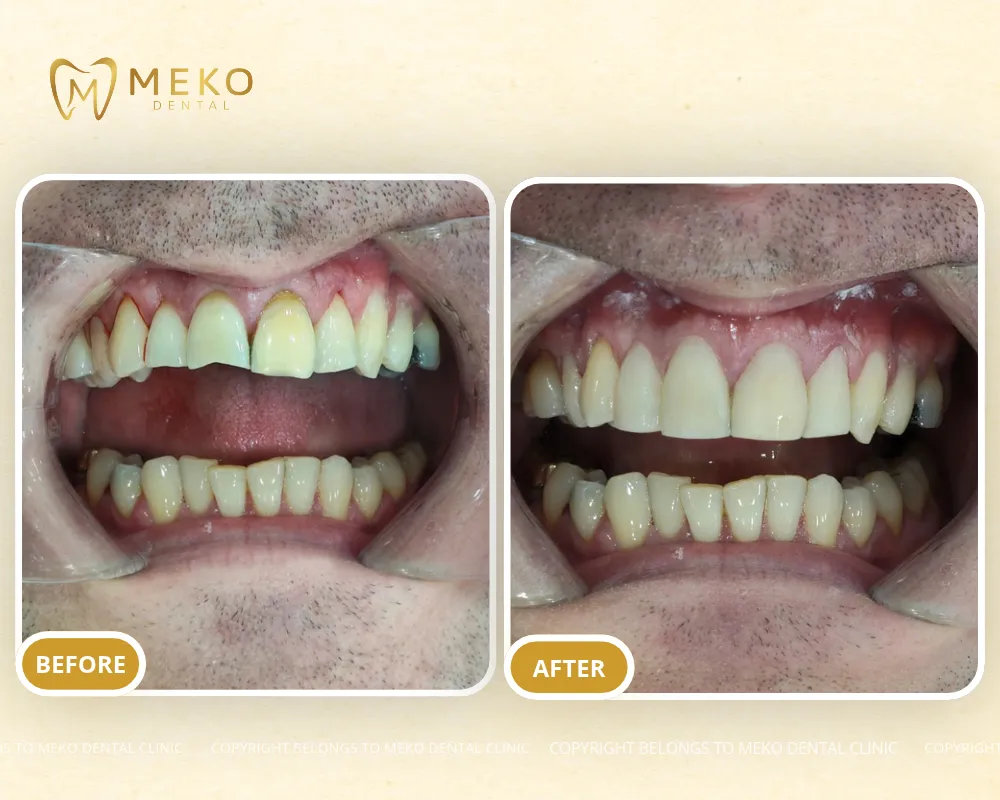
Among tooth veneer types, composite also works as a lower-commitment step before deciding on porcelain. It comes with a few trade-offs:
- The lifespan is shorter, and it needs more maintenance than porcelain.
- The most common problems in trials were surface roughness, color mismatch and discoloration along the edges.
- Most of these were judged clinically acceptable, with or without re-treatment.
4. Type 3 – No-prep veneers
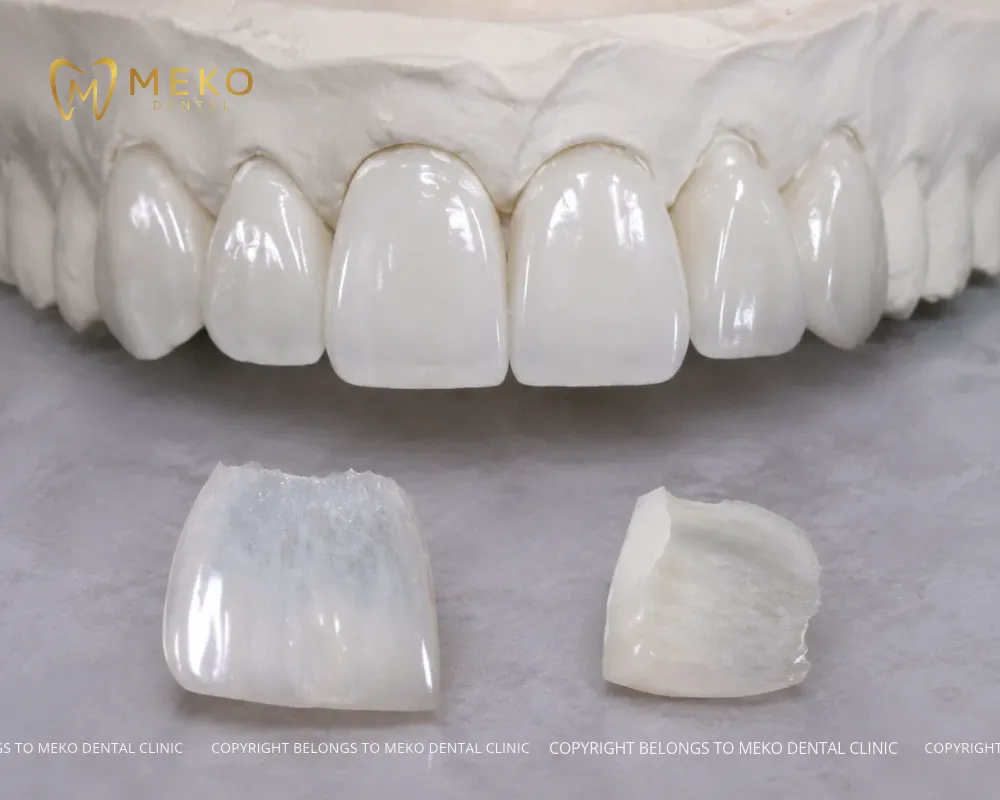
No-prep or minimal-prep veneers are thin shells designed to remove less enamel than traditional veneers, although some trimming is still usually needed. The veneer types teeth can accept depend on enamel thickness, contour and bite. Because the shell adds thickness over the tooth, it fits some teeth better than others.
5. Type 4 – Removable veneers
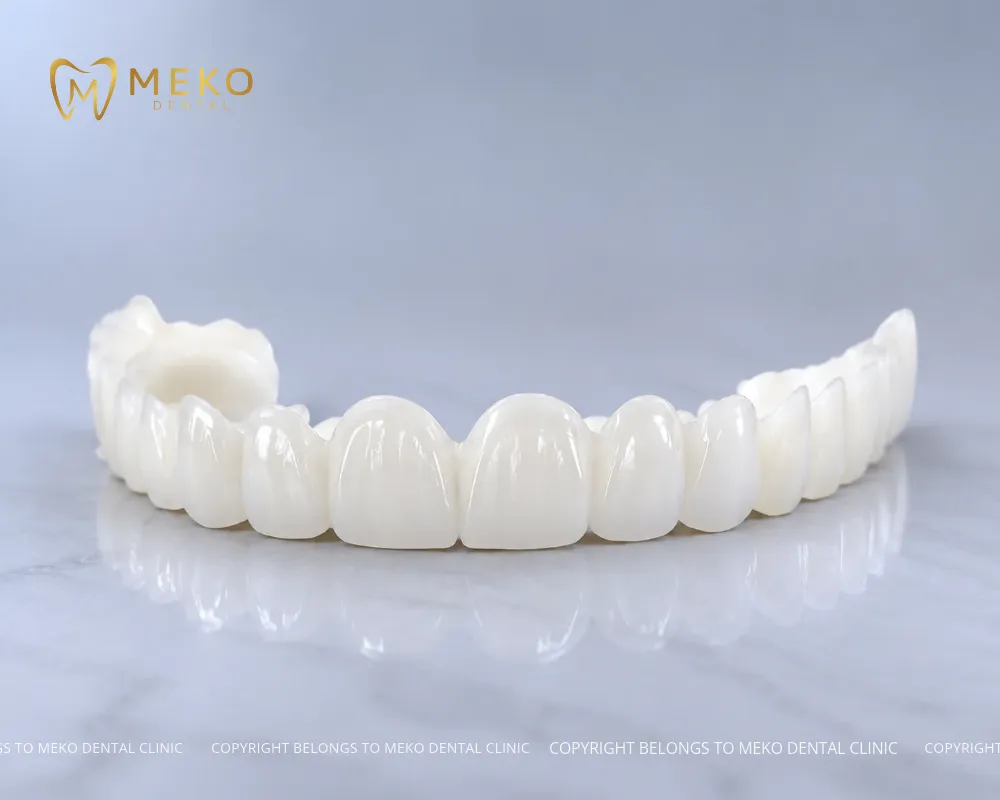
Removable, or pop-on, veneers snap over natural teeth without any bonding. They can make eating difficult and affect speech. Because they come off at will, they work only as a short-term cover. Their main appeal is that the tooth stays untouched. For a lasting result, patients usually choose one of the bonded types of veneers instead.
6. Specialized option – Palatal veneers
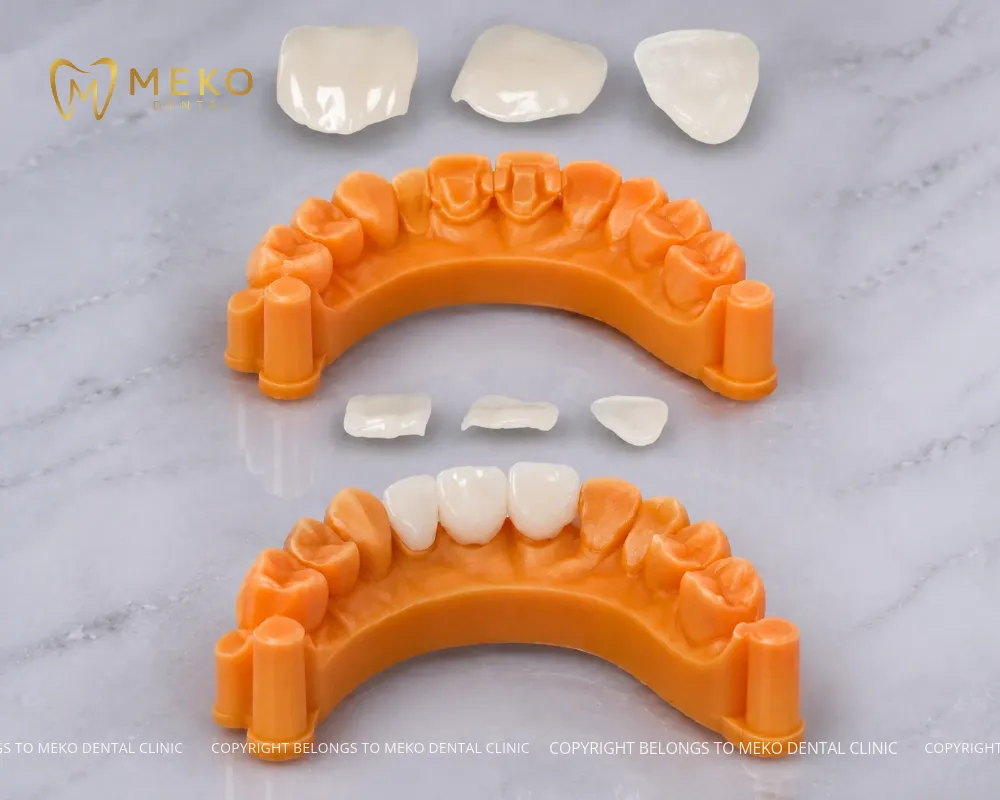
Palatal veneers sit on the inner surface of worn upper front teeth, usually where erosion or grinding has shortened them. Dentists sometimes combine them with ceramic veneers on the front surface to rebuild localized wear. A specialist makes this decision after assessing the wear.
7. Veneers different types compared side by side
The table below sets all five types of veneers next to each other on the points most veneer types dental patients ask about: enamel removal and who each option suits. Lifespan is covered in the next section.
| Option | Enamel removal | Evidence base | Typical visits | Suited to |
| Porcelain | A thin layer, irreversible | Best studied | At least two (laboratory step) | Stains, shape changes, higher demands |
| Composite | Often less than porcelain | Some research, but shorter follow-up | Often fewer, no impressions | Mild cosmetic corrections |
| No-prep | Less than traditional, some usually remains | Limited | Varies by case | Case by case, decided by the dentist |
| Removable | None | Limited research | Varies by product | Short-term cover |
| Palatal | Depends on the case | Limited, short-term follow-up | Varies by case | Worn upper front teeth, after specialist assessment |
8. Which types of veneers last the longest?
Across the different types of veneers, porcelain lasts the longest, typically 10 to 15 years with proper care. Studies put 10-year survival at around 95%, meaning most veneers are still in place after a decade. Evidence beyond 20 years is thin, so 10 to 15 years is the safer planning figure.
Composite veneers have far less long-term data. Randomized trials report about 88% survival over roughly two to eight years. No-prep and removable veneers have too little research for a firm number, so no lifespan figure applies to these two types of veneers.
9. How to choose the right types of veneers for teeth
The right choice depends mostly on the problem being fixed and on a few personal factors. Deep stains or big shape changes usually point to porcelain, small chips to composite, and a strong wish to keep enamel to a careful no-prep assessment. Only a dentist can confirm the right option once the teeth have been examined.
When comparing types of veneers, ask how long each option is expected to last as well as what it costs. The lowest quote is rarely the cheapest result if a veneer needs early replacement, and the different types of veneer material sit at different price levels.
Veneers should be placed by a licensed dentist after a full exam, because unsupervised work has been linked to infection, nerve damage and veneers placed over untreated cavities. Patients who grind at night should discuss a splint before any material is chosen.
10. Frequently asked questions
10.1 Which types of veneers are reversible?
Almost none are. Most veneer treatment is permanent because enamel is trimmed to make room for the shell. Even no-prep versions usually need some trimming, and only removable veneers leave the tooth untouched, so patients should ask how much enamel will be removed before agreeing to a plan.
10.2 Do veneers damage natural teeth?
Veneers do not harm teeth on their own, although porcelain veneers require a thin layer of enamel to be removed. The tooth underneath can also still decay if it is not cleaned well, so brushing with fluoride toothpaste, flossing daily and keeping regular dental visits remain important.
10.3 Which type of veneer is best?
Among the different types of teeth veneers covered above, none is best for everyone. Porcelain has the strongest evidence for durability, composite costs less and suits small corrections, and no-prep suits selected teeth after assessment. The best dental veneers types depend on enamel, bite, goals and budget.
11. Conclusion
The right choice among the types of veneers depends on the problem being fixed, the lifespan the patient wants and how much enamel can be trimmed. Porcelain offers the strongest durability, while composite suits small corrections at a lower cost.
Meko Dental Clinic in Ho Chi Minh City offers two of the types of veneers covered above: porcelain, in e.max (lithium disilicate) and Lisi Press, and composite. A consultation includes an oral exam, X-rays, a 3D scan and a smile preview before any treatment starts, book through mekodental.vn or call 077 227 7919.


 Messenger FB
 WhatsApp
 Book now