

Contents [ Hide ]
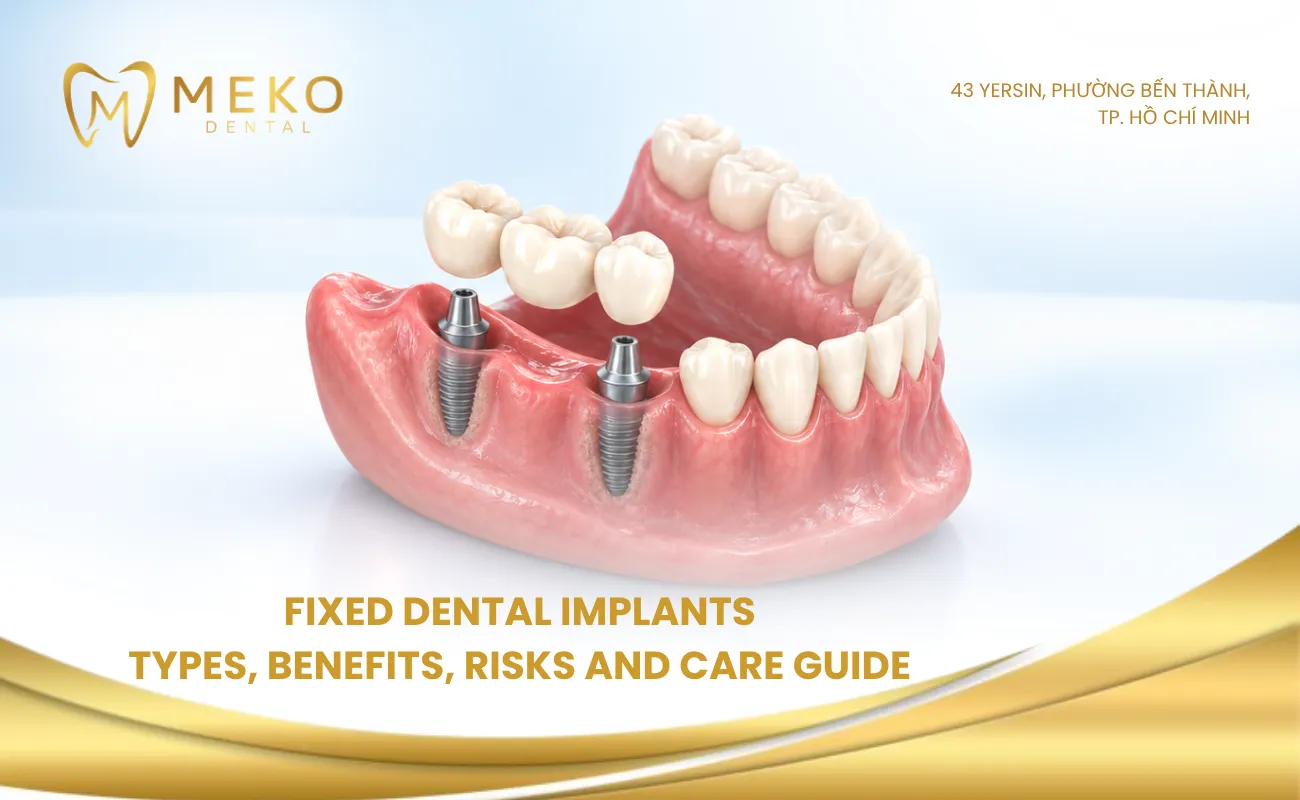
Fixed dental implants are replacement teeth anchored to implants in the jawbone, so they stay securely in place during eating, speaking, and smiling. They can replace one tooth, several teeth, or a full arch, offering steadier chewing and a natural look, though results vary from patient to patient. The following article explains the types available, what keeps them stable, their limitations, and the maintenance they require.
1. What are fixed dental implants?
Fixed dental implants are replacement teeth attached to fixtures embedded in the jawbone. The implant acts as an artificial tooth root, while the crown or bridge replaces the visible portion of the missing teeth. A typical fixed implant includes:
- Implant fixture: The component positioned within the jawbone to support the replacement teeth.
- Abutment: A connecting component between the fixture and the prosthesis, when required by the design.
- Prosthesis: A crown, implant-supported bridge, or full-arch prosthesis that restores tooth shape and chewing function.
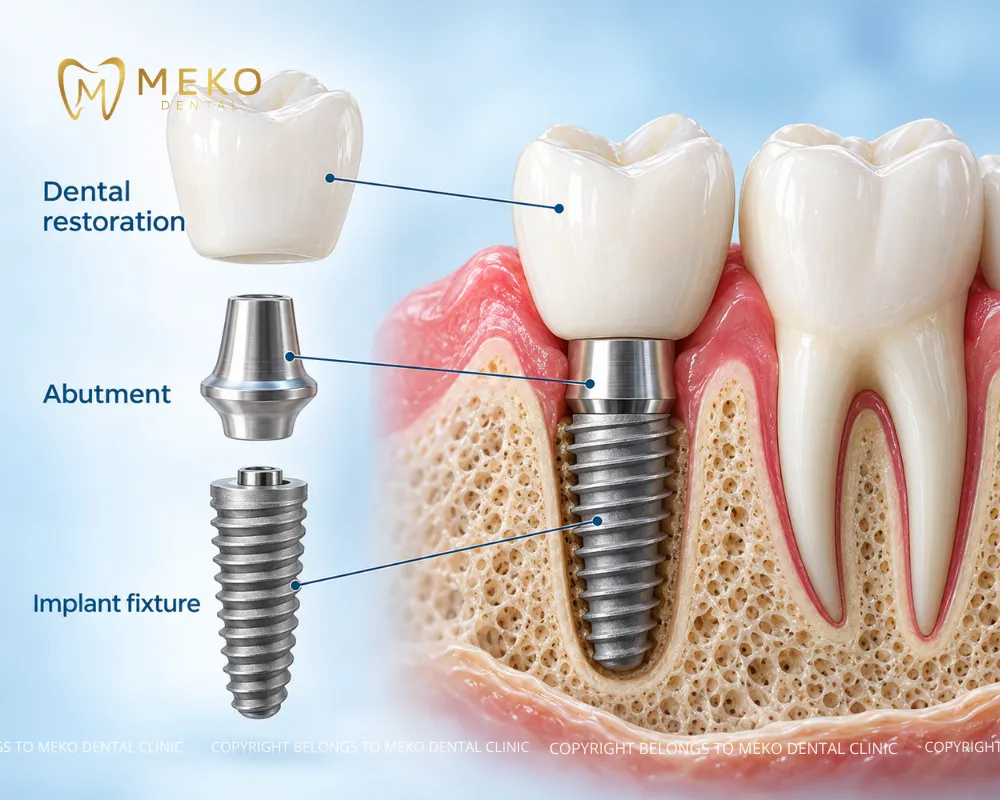
“Fixed” means the prosthesis is not intended for removal by the patient. Certain screw-retained designs can be detached by a dentist for repairs or maintenance. This differs from conventional removable dentures, which rest on the gums and are removed by the wearer.
2. What types of fixed dental implants are available?
The dentist selects the type based on how many teeth are missing and where. Single-tooth implant crowns fill one gap, while implant-supported bridges and full-arch restorations cover larger spaces.
2.1 Single-tooth implant crowns
A single tooth implant replaces one missing tooth without relying on adjacent teeth for support. A missing molar, for example, can be replaced without preparing neighboring teeth for a conventional bridge. The crown is designed to match the bite and neighboring teeth.
2.2 Implant-supported bridges
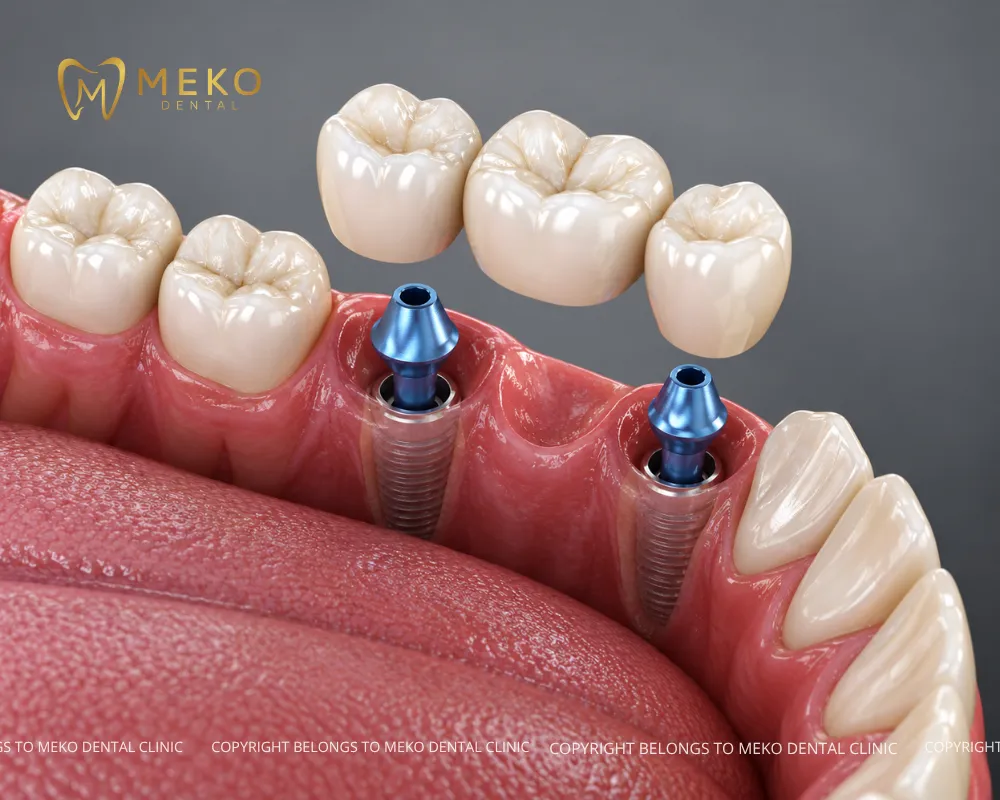
An implant-supported fixed bridge replaces two or more adjacent missing teeth with a connected prosthesis. A three-unit bridge, for example, can replace three missing teeth using two supporting implants. Suitability depends on bone support, implant positions, bridge length, and bite forces. The underside must also allow adequate cleaning around the implants.
2.3 Full-arch fixed dental implants
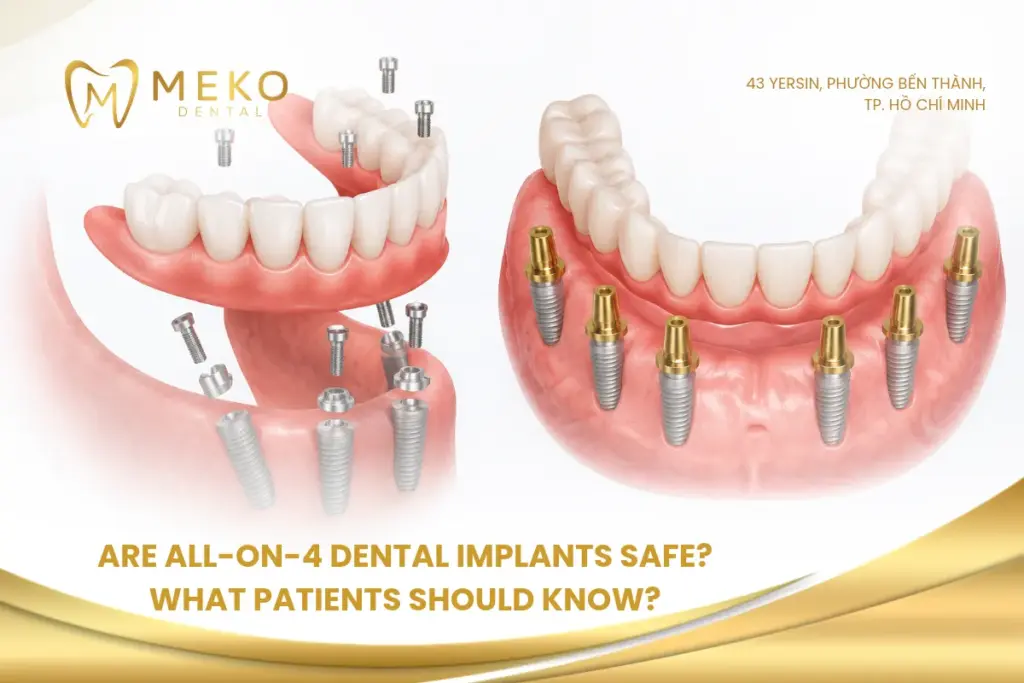
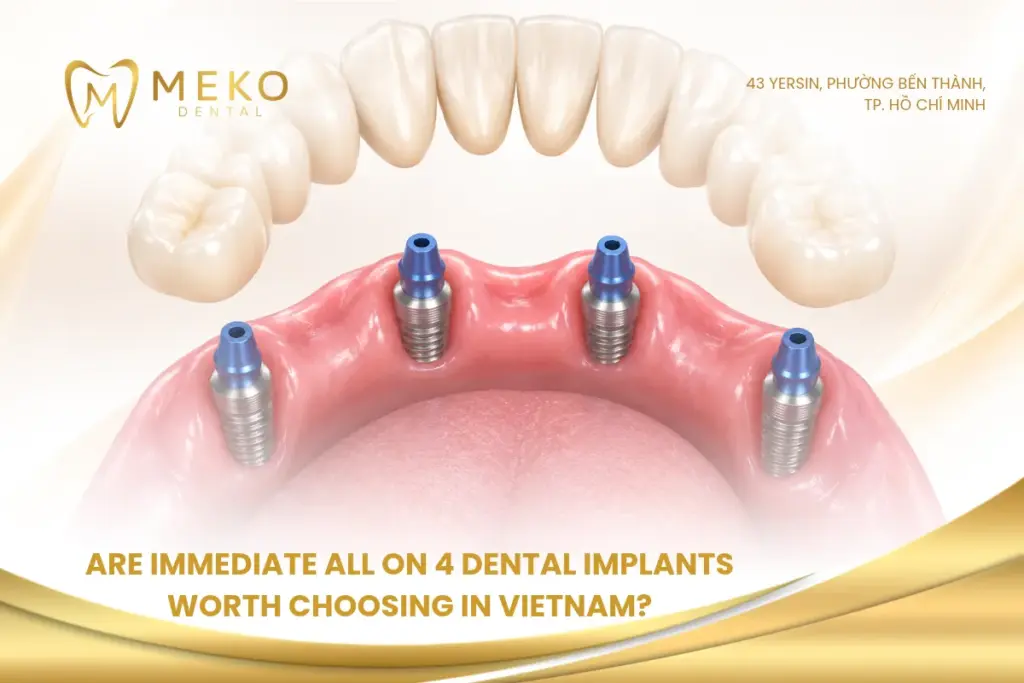
Full fixed dental implants refer to an implant-supported prosthesis that replaces an entire upper or lower dental arch. All-on-4 and All-on-6 describe configurations supported by four or six implants per arch. The appropriate configuration depends on jawbone anatomy, bite relationships, and specific individual needs.
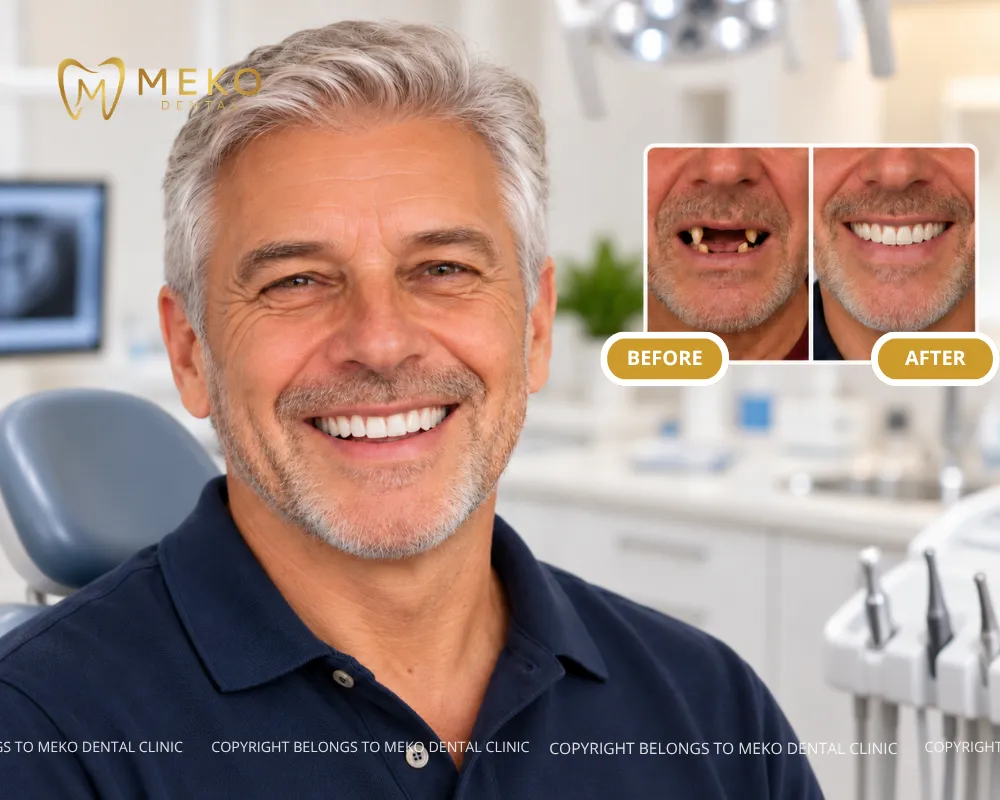
Full-arch prostheses may use monolithic zirconia or acrylic teeth attached to a metal framework. Material choice influences wear resistance, repair options, and aesthetics. The prosthesis must also provide suitable lip support, natural gum contours, and sufficient access for effective daily cleaning around supporting implant connections.
3. What keeps fixed implants stable in the mouth?
Fixed secure dental implants rely on osseointegration, the direct structural connection between the implant surface and the surrounding bone. Natural teeth have a periodontal ligament that helps cushion biting forces, but dental implants do not. Biting forces therefore pass through the crown or bridge and its supporting components into the jawbone. Accurate bite contacts help reduce excessive stress on the crown or bridge.
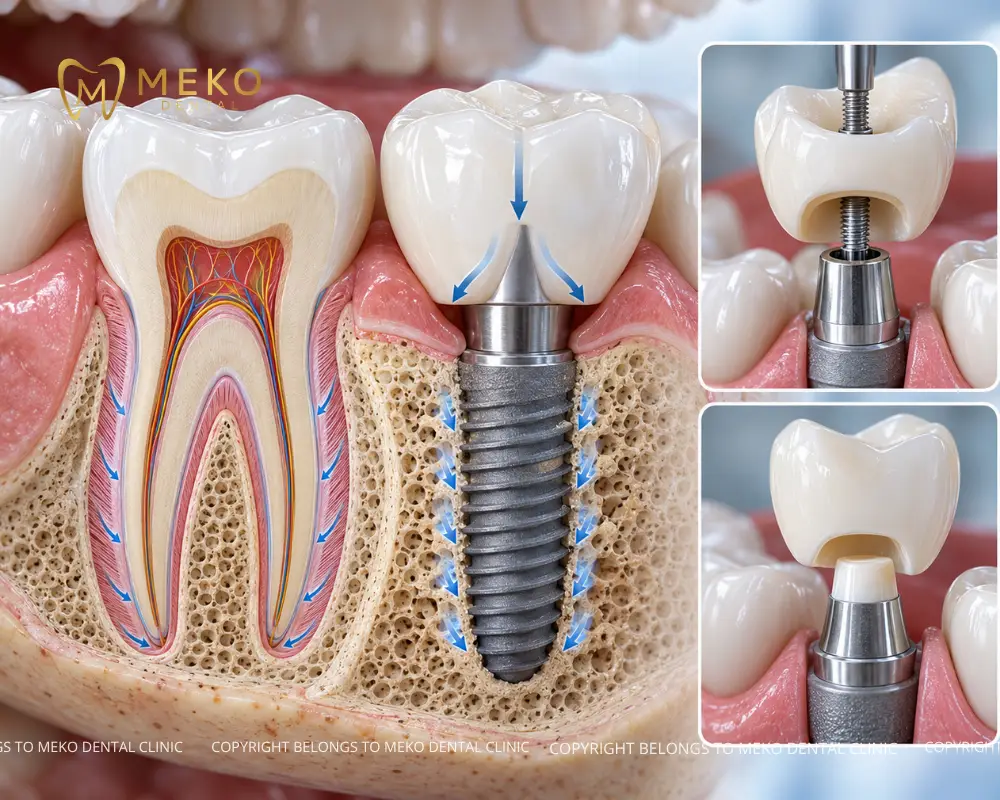
Some restorations are screw-retained, allowing a dentist to remove the prosthesis when necessary. Others are cement-retained, and their removal may be less straightforward. Both designs can function well, but neither is completely protected from screw loosening, surface fractures, or other mechanical complications.
4. Benefits of fixed dental implants
Patients often notice improved chewing, speaking, and comfort in daily life. Custom crowns also provide a natural appearance and oral support.
4.1 Improved chewing, speaking, and comfort
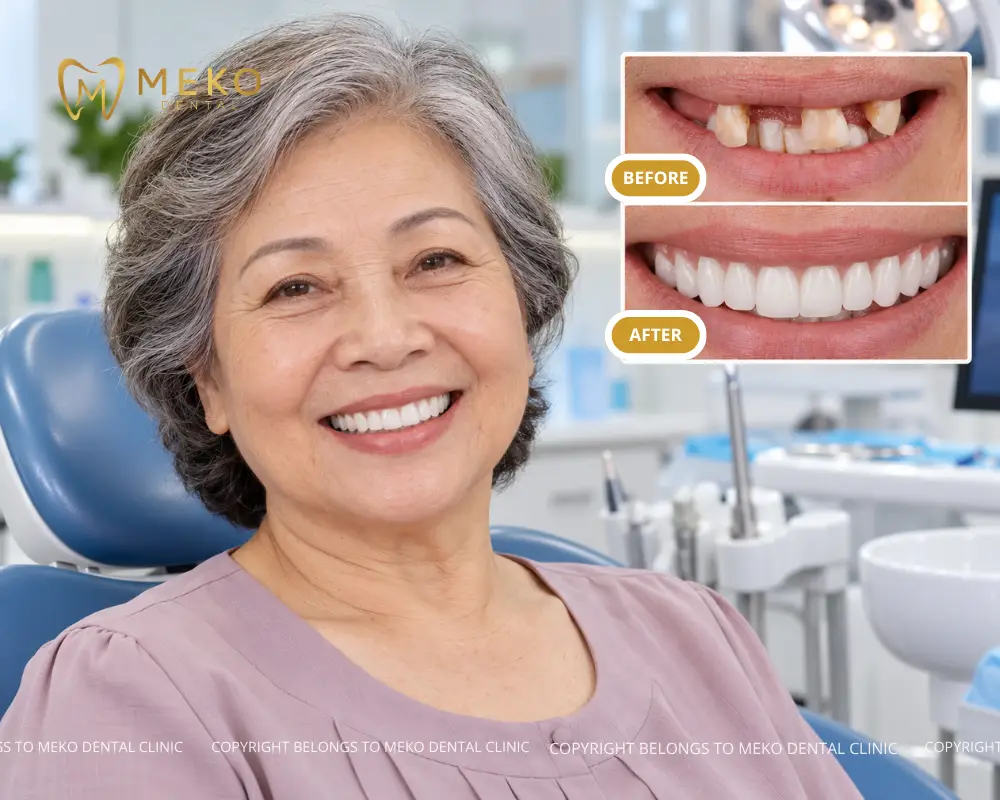
Fixed dental implants support stable chewing and clearer speech by keeping replacement teeth securely attached, which may reduce the movement and discomfort associated with conventional removable dentures. Patients can eat and communicate more confidently without denture removal, although comfort depends on bite alignment, prosthetic design, and oral health.
4.2 Natural appearance and oral support
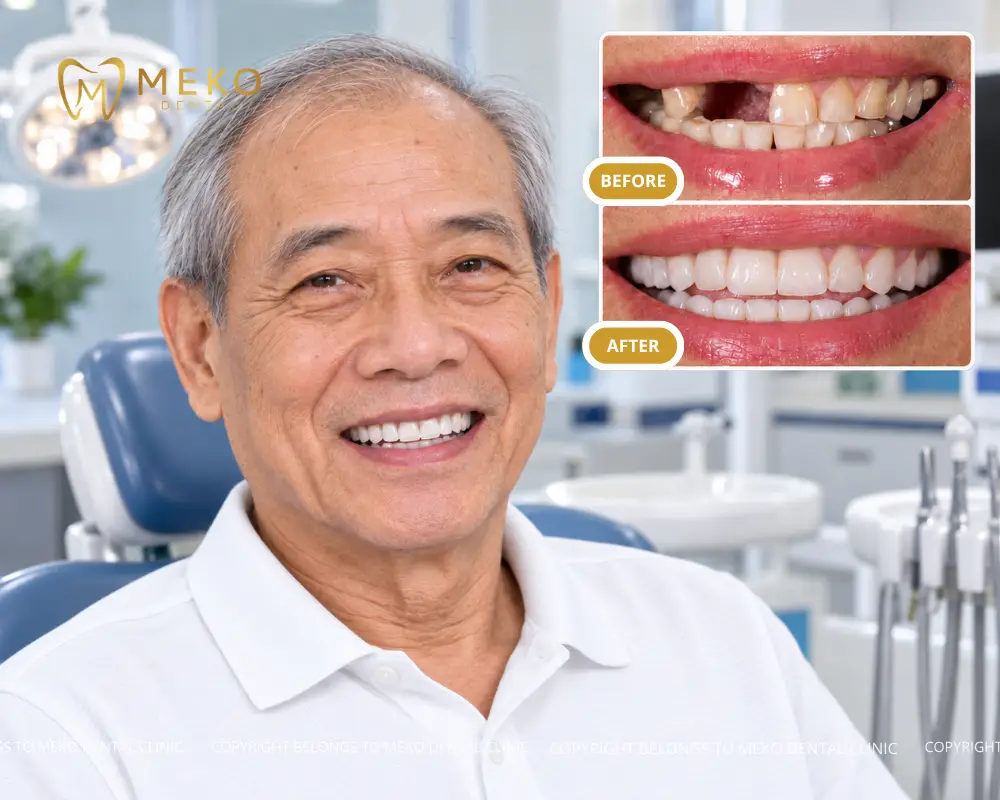
Implant-supported crowns and bridges are customized to match neighboring teeth in color, shape, and proportions, creating a natural-looking smile. A single-tooth implant avoids preparing adjacent healthy teeth, while full-arch prostheses can restore lip support and gum contours when enough tissue support is available.
| Read more: Top 7 benefits of dental implants for looks, chewing and bone
5. What are the limitations and possible risks?
Cleaning challenges and mechanical complications affect the crown or bridge itself, particularly under longer bridges and around screw connections. Gum inflammation and peri-implant problems affect the tissue around the implant, and both need early attention.
5.1 Cleaning challenges and mechanical complications
Plaque and food debris can accumulate beneath implant-supported bridges, particularly near the gumline, so interdental brushes or implant floss are useful for daily cleaning. Screws can loosen, ceramic surfaces can chip, and prosthetic components can fracture over time. If the crown or bridge moves or biting feels different, see your dentist promptly rather than waiting for the next check-up.
5.2 Gum inflammation and peri-implant problems
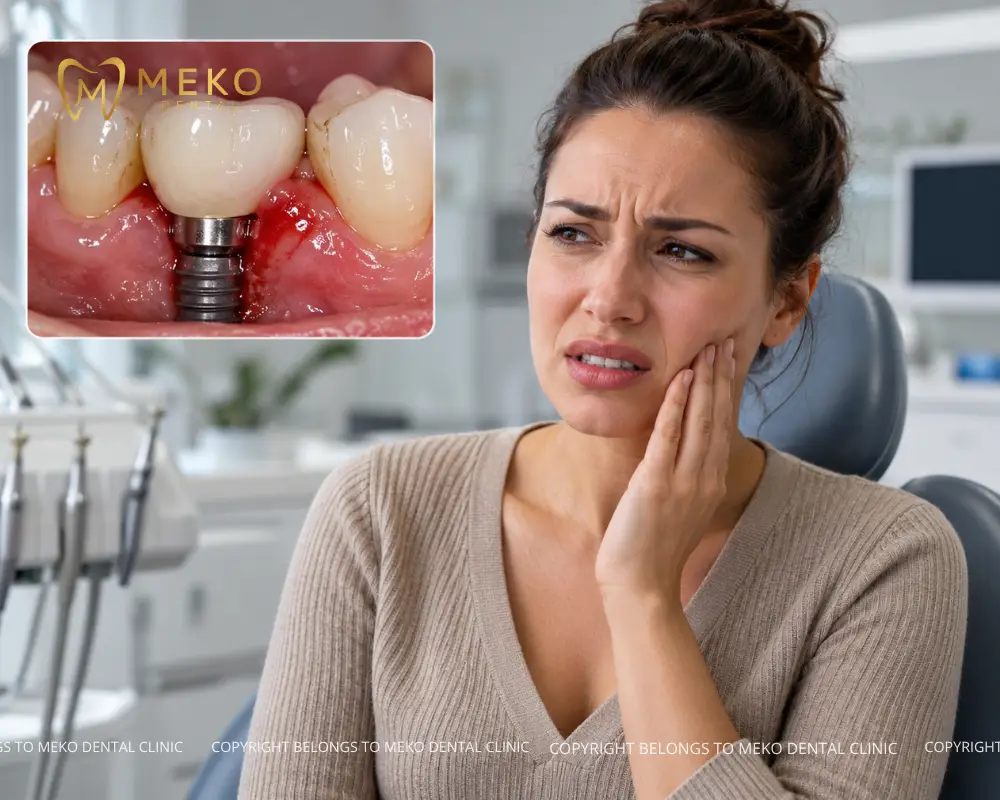
Peri-implant mucositis causes inflammation around an implant without progressive bone loss, while peri-implantitis involves inflammation and loss of supporting bone. Bleeding, swelling, discharge, or persistent discomfort may indicate a problem. Because these signs alone do not confirm a diagnosis, a dentist must assess the surrounding tissues and supporting bone levels.
6. Fixed vs. removable implant-supported teeth
Both fixed teeth and implant-retained removable dentures provide support for replacement teeth, but they differ in stability, removal, cleaning, and maintenance. The comparison below highlights these practical differences.
| Comparison criteria | Fixed implant-supported teeth | Removable implant-supported dentures |
| Removal | Stay in place; some designs are dentist-removable | Removed by the patient |
| Stability | Firmly attached to implants | Held by attachments; some movement is possible |
| Cleaning | Cleaned in the mouth, including under bridges | Removed for cleaning |
| Daily comfort | Nothing to insert or remove | Taken out at night, put back each morning |
| Maintenance | Professional checks and repairs when needed | Attachments may need replacement |
7. Who may be suitable for fixed dental implants?
Fixed implants suit several situations, depending on how many teeth are missing and how the mouth feels now. Only a clinical exam can confirm whether a specific case is a suitable match.
- One missing tooth, with healthy neighboring teeth
- Several missing teeth in a row
- All or most teeth missing in one arch
- A removable denture that slips or rubs
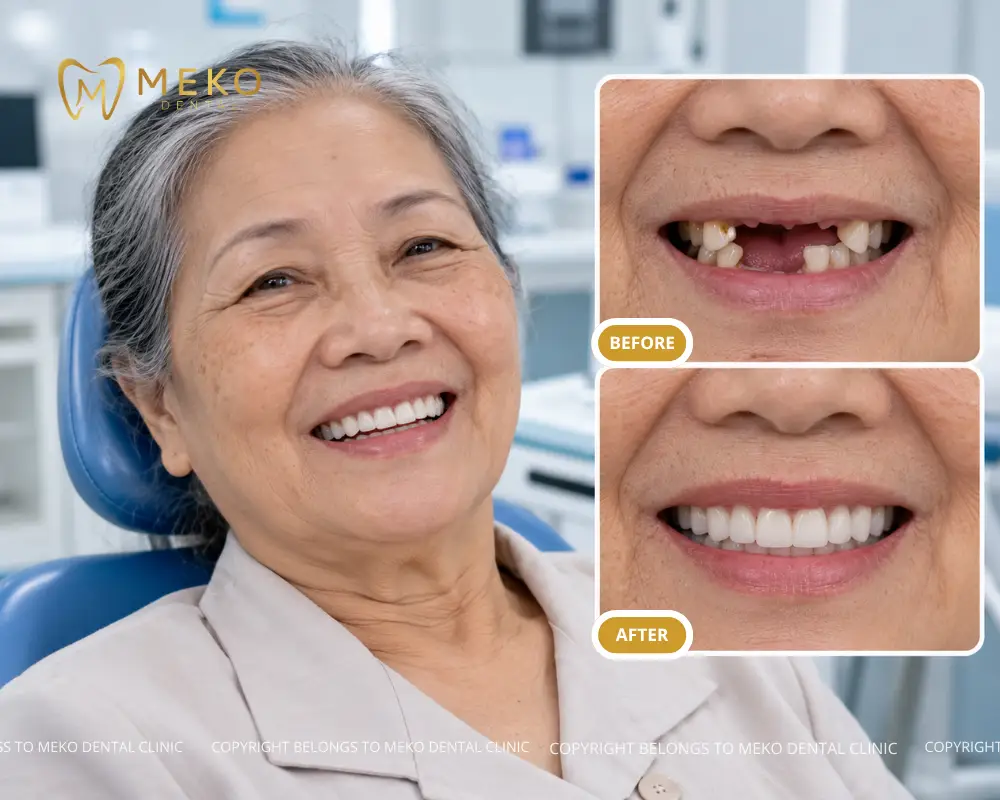
Jawbone volume, gum health, general health, and cleaning habits all need a full professional check before any plan is made. Smoking, gum disease, or poorly controlled diabetes may call for extra planning, so suitability is always judged case by case.
8. How long do fixed dental implants last?
The implant fixture and the attached prosthesis have different lifespans. According to a 2019 systematic review by Howe and colleagues, published in the Journal of Dentistry, 93.2% of dental implants were estimated to survive after 10 years, based on a sensitivity analysis of 18 studies accounting for missing follow-up data. However, implant survival does not mean the restoration remains free from complications.
Crowns, bridges, screws, and full-arch prosthetic teeth may require repairs or replacement at different times. Their longevity varies with materials, restoration design, and oral conditions. Daily cleaning and professional maintenance help identify problems before they become more serious.
9. Frequently asked questions
9.1 Can fixed implant crowns develop cavities?
No. The crown material itself cannot decay. However, plaque can still inflame surrounding gums, and nearby natural teeth can develop cavities. Regular brushing, interdental cleaning, and dental reviews remain important even when replacement teeth are artificial.
9.2 Do fixed implant teeth feel exactly like natural teeth?
No. Fixed implant teeth may feel stable during chewing, but implants lack the periodontal ligament that gives natural teeth some pressure sensitivity. Patients may notice differences in biting sensation, especially initially. A well-adjusted bite and gradual adaptation can improve everyday comfort over time.
9.3 Can I undergo an MRI with fixed dental implants?
Usually, yes. Most dental implants do not prevent MRI scanning, but implant materials may distort images near the mouth. Tell the radiology team about your implants and any attached prosthesis before the scan so they can verify compatibility and plan the imaging appropriately.
9.4 Do I need a night guard with fixed dental implants?
Not always. A night guard may be recommended if you clench or grind your teeth, because excessive forces can damage crowns, bridges, or their connections. Your dentist should assess your bite and symptoms before deciding whether a custom protective dental appliance is appropriate.
10. Conclusion
Fixed dental implants replace missing teeth while supporting stable chewing and a natural smile. Their durability depends on appropriate prosthesis design, daily cleaning, and regular dental examinations. Visit Meko Dental Clinic for a personalized assessment of your jawbone, gums, and bite. Book an appointment today to discuss suitable fixed implant options with our dental team.


 Messenger FB
 WhatsApp
 Book now