
Contents [ Hide ]
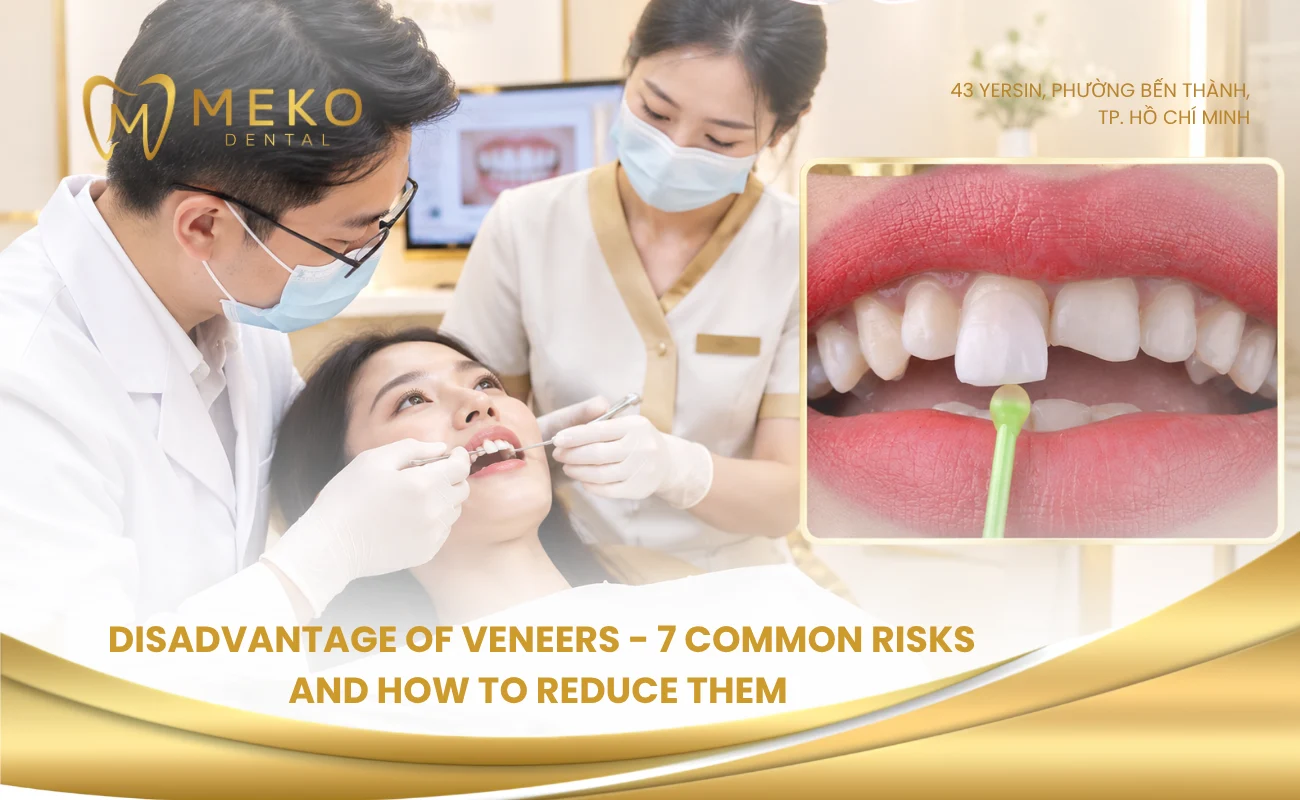
The main disadvantage of veneers is that they are permanent in practice: the dentist usually removes a thin layer of enamel, each tooth is expensive to treat, and the veneers typically need replacing after 10 to 15 years. Sensitivity, chipping, staining, and gum irritation can add to that, which is why it is worth going through each risk with a dentist at Meko Dental Clinic before booking.
1. Are veneers bad for your teeth?
Veneers aren’t inherently bad for your teeth, but some trade-offs can’t be undone. A dental veneer is a thin shell, about 0.3-0.5 mm thick, bonded to the front of the tooth, usually after a small amount of enamel is removed.
The downsides fall into two groups. Permanent trade-offs include enamel removal, cost, and eventual replacement. Preventable risks include chipping, staining, and gum problems, which depend largely on your dentist’s skill and your daily habits. Here are the seven disadvantages to understand before you commit.
2. The 7 main disadvantage of veneers
Some disadvantages of dental veneers are certain, such as enamel removal and the high long-term cost. Others, like chipping and staining, are often preventable if you avoid hard foods, protect your teeth at night, and choose a skilled cosmetic dentist.
2.1 Enamel removal is permanent
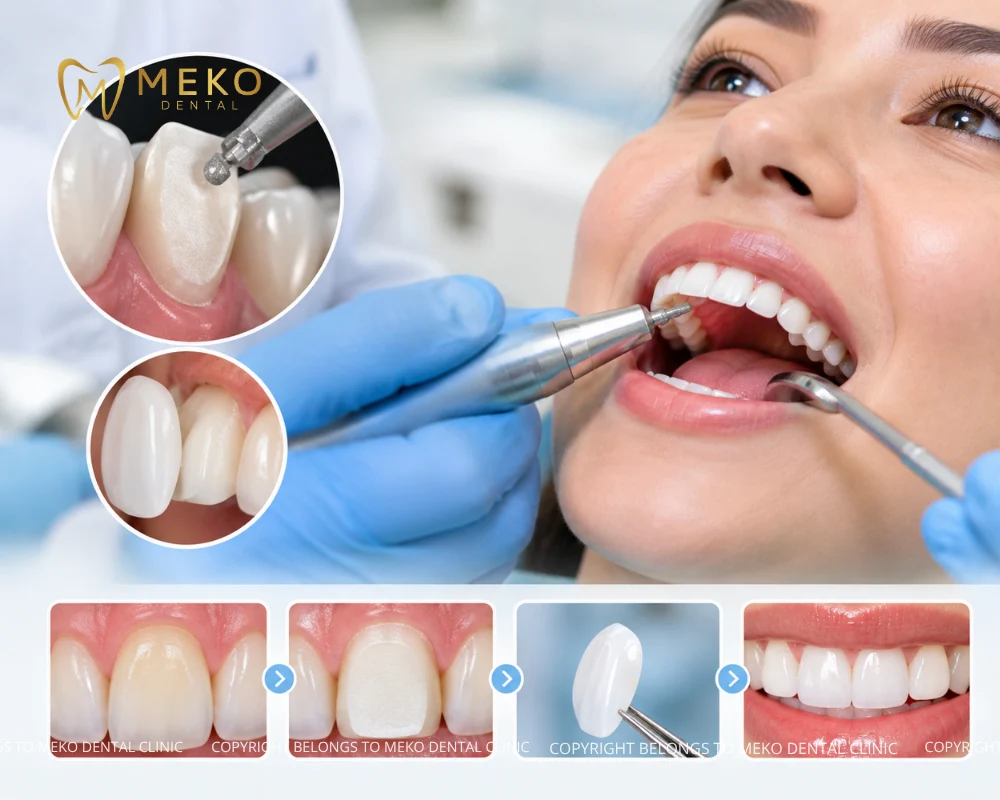
Most veneers require a dentist to remove a thin layer of enamel from the tooth surface. Enamel does not regrow, so a prepared tooth will always need some form of covering. This permanence is the main disadvantage of veneers. Minimal-prep and no-prep options exist, but they suit only some teeth, such as small, well-aligned ones.
2.2 High cost and limited insurance
Veneers are priced per tooth, so a full smile adds up fast. At Meko Dental Clinic, Emax veneers cost $310-$390 per tooth and Lisi veneers cost $390-$580 with current discounts, while composite costs less. Insurers usually treat veneers as cosmetic, so coverage is limited, and that cost is a clear disadvantage of veneers. Four things move the price:
- Material: porcelain costs more than composite
- Dentist experience: skilled cosmetic dentists charge more
- Location: city and clinic type change the price
- Number of teeth: each added tooth raises the total
2.3 Tooth sensitivity after preparation
Enamel preparation can leave teeth sensitive to hot and cold drinks, especially in the first week. For most people, this disadvantage of veneers fades within a few weeks, but it can last longer for some. Ask your dentist about desensitizing options, such as fluoride gel or a toothpaste for sensitive teeth, before the procedure starts.

2.4 Veneers need replacing every 10-15 years
Veneers are not permanent. With good care, they last about 10-15 years, and then you must replace them. Replacement turns a single payment into a recurring expense, so this disadvantage of veneers affects your long-term budget, not just the first bill. Porcelain veneers generally outlast composite veneers, so choosing composite usually means replacing them sooner.
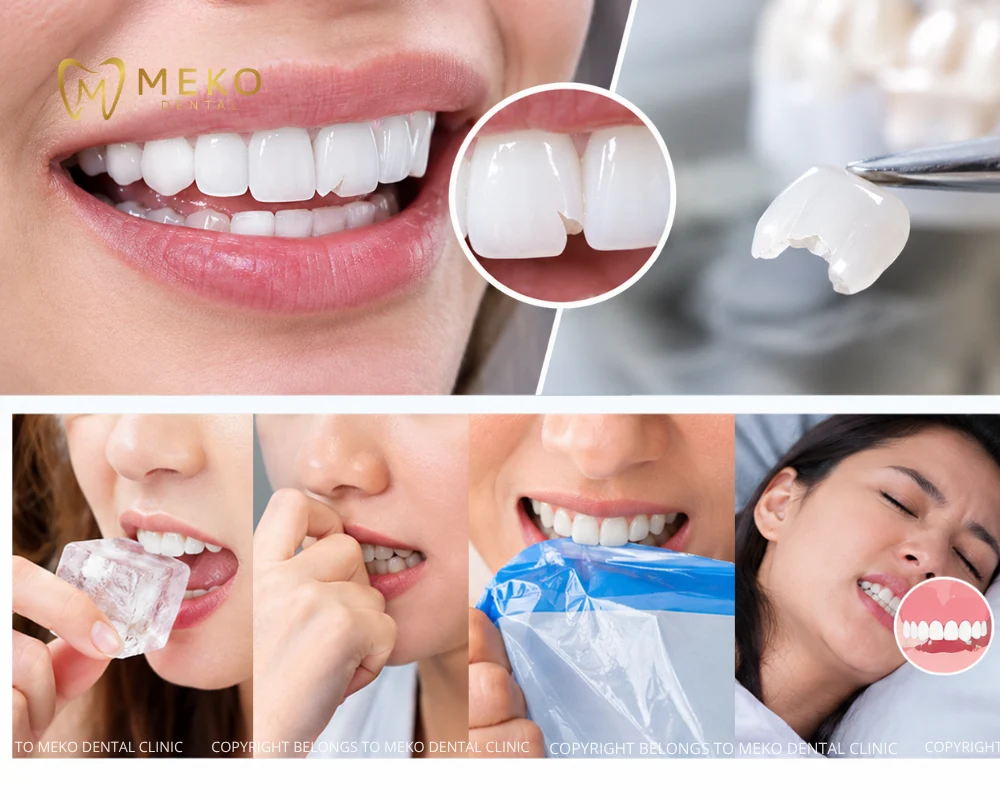
2.5 Chipping, cracking and debonding
Veneers are strong, but they are not indestructible. Hard foods and bad habits can chip, crack, or loosen them, and grinding your teeth (bruxism) raises the risk further. A veneer that debonds usually needs professional re-bonding, so never glue it back yourself. This disadvantage of veneers depends largely on your own habits. High-risk habits include:
- Chewing ice
- Biting your nails
- Opening packages with your teeth
- Grinding or clenching, especially at night
2.6 Staining and color mismatch
Porcelain resists stains better than composite, but natural teeth still darken with age while veneers keep their shade. You cannot change a veneer’s color after placement, and whitening will not lighten it, so a mismatch with neighboring teeth is a lasting disadvantage of veneers. Brighten your natural teeth before selecting the shade for your veneers.
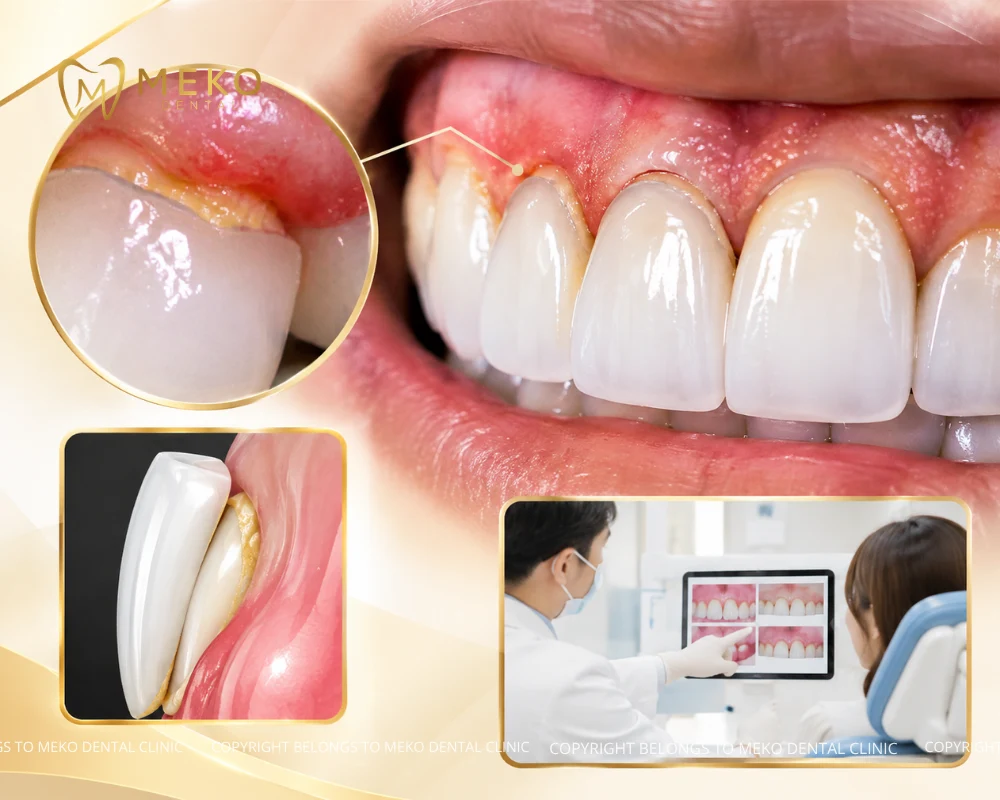
2.7 Gum irritation from poor fit
A poorly fitted veneer edge traps plaque along the gumline. Trapped plaque irritates the gums and raises the risk of gum disease and tooth decay under the veneer. This disadvantage of veneers depends mostly on the dentist’s skill. A pro tip is to ask to see photos of healed gums from your dentist’s previous veneer cases.
3. Who should not get veneers?
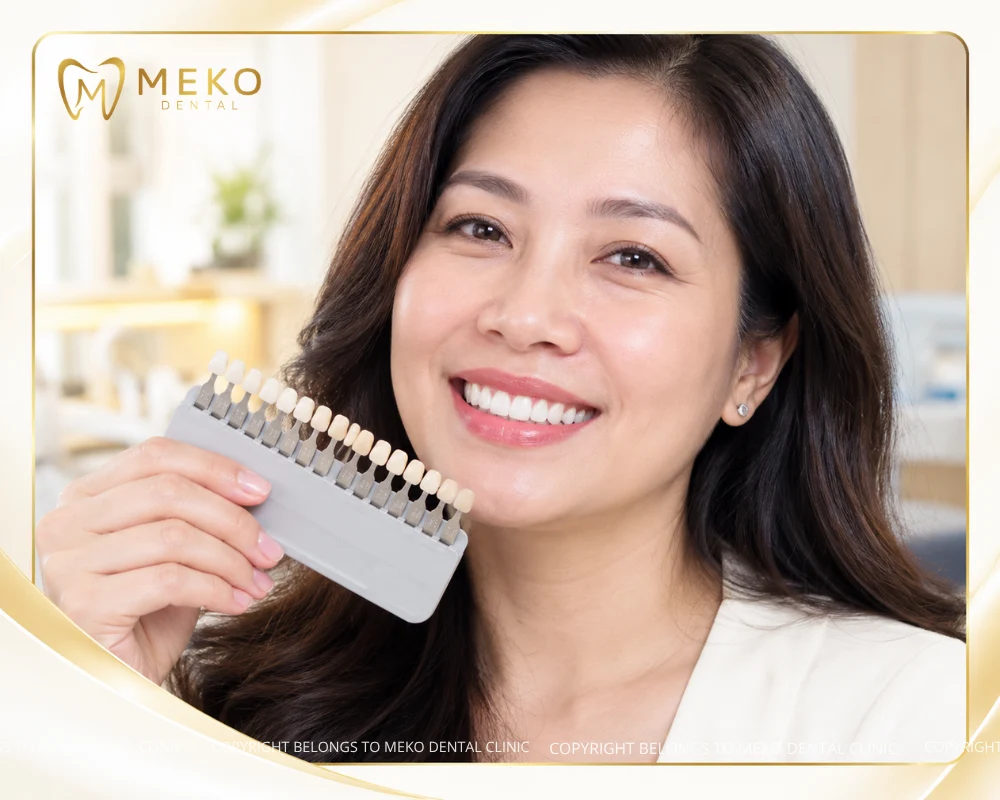
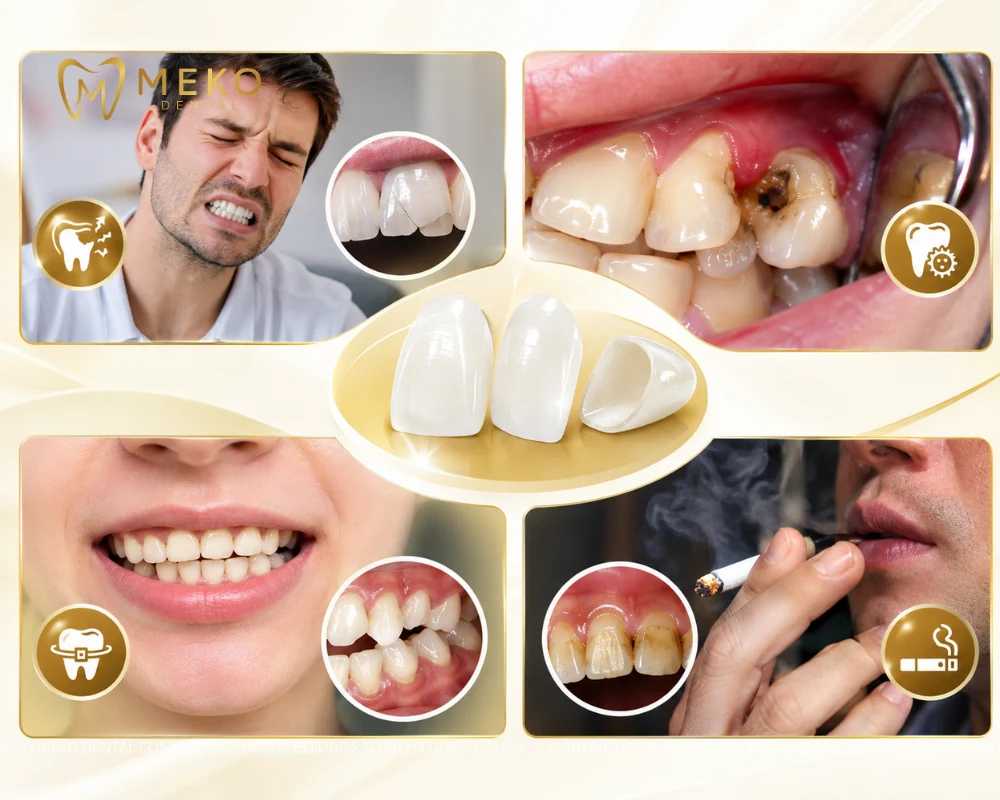
Veneers do not suit every mouth or every habit. Patients with the five conditions listed below face higher veneers disadvantages, such as early failure, gum problems, or repeat repairs, so they should discuss the risks with a dentist before booking.
- Severe teeth grinders: grinding chips and cracks veneers, so heavy bruxism shortens their lifespan.
- Untreated decay or gum disease: veneers do not heal decay, and bonding over inflamed gums raises the risk of failure.
- Very thin enamel: the veneer needs enamel to bond to, and thin enamel weakens the bond and increases sensitivity.
- Significant misalignment: veneers cannot move teeth, so crowded or crooked teeth often need braces first.
- Poor oral hygiene or heavy smoking: plaque and tobacco stain veneer edges and raise the risk of gum disease around them.
Book a full dental exam and X-rays before you decide on veneers. Your dentist can check your enamel, gums, and bite, and tell you honestly whether veneers suit your natural teeth or whether bonding or whitening is the safer choice.
4. Do veneers have more drawbacks than bonding, crowns or whitening?
Veneers are not the only cosmetic way to change how your teeth look, and each option has its own drawbacks. This table compares the disadvantages of veneers with bonding, crowns, and whitening by invasiveness, estimated US cost, lifespan, and reversibility.
| Option | Invasiveness | Reference price | Lifespan | Reversibility |
| Porcelain veneers | Medium | $310-$580 | 10-15 years | No |
| Composite bonding | Low | $250-$600 | About 5-7 years | Often |
| Crowns | High | $900-$2,500 | 10-15 years | No |
| Whitening | None | $300-$800 | Up to about 2 years | Yes |
Whitening or bonding may be enough for mild issues such as light stains or a small chip, while crowns suit heavily damaged teeth that need full coverage. Veneers suit shape and color changes on healthy teeth, but the disadvantage of veneers is permanent enamel loss.
| Read more: What are dental veneers pros and cons patients should know?
5. How can you reduce the disadvantage of veneers?
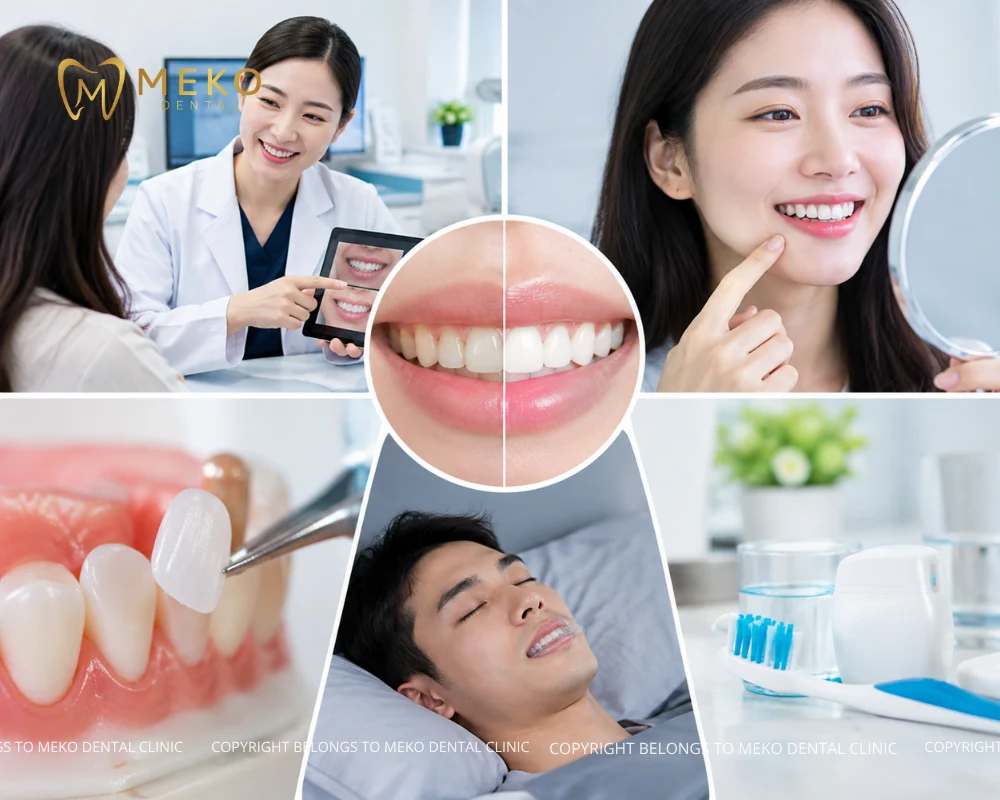
You can’t remove every risk, but five steps can lower the main downsides. Each one is something you control before, during, or after the procedure, from choosing your dentist to looking after the veneers at home.
- Choose an experienced cosmetic dentist: Review real before-and-after photos of patient cases like yours, and ask how many veneer cases the dentist completes each year.
- Ask for a mock-up or trial smile: A preview shows the shape, length, and shade on your teeth, so you can request changes before anything is bonded.
- Ask about minimal-prep options: Ask whether thinner veneers with little or no enamel removal fit your teeth, since less removal keeps more natural tooth.
- Wear a night guard if you grind: A custom guard absorbs grinding pressure while you sleep and protects your veneers from chips, cracks, and debonding over time.
- Keep up good hygiene and regular checkups: Brush twice daily, floss around the edges, limit coffee, tea, and red wine, and see your dentist every six months.
These steps won’t remove every risk, but they cover the ones you can control: your dentist’s skill, how much enamel is removed, grinding, and daily care. It helps to bring this list to your first consultation and go through it with your dentist.
6. Conclusion
Veneers can improve a smile, but the risks deserve as much attention as the results. At Meko Dental Clinic, the team examines your teeth, explains each option honestly, and helps you decide whether veneers, bonding, or whitening suits your natural teeth and your budget best.
If you would like an honest assessment of the disadvantage of veneers for your own teeth before committing, you can book a consultation with Meko Dental Clinic. It includes a full exam and X-rays, and you can reach the clinic on 077 227 7919


 Messenger FB
 WhatsApp
 Book now