

Contents [ Hide ]
Losing one or more teeth affects how a person eats, speaks, and smiles with confidence. Dental implants for missing teeth have become the standard of care in modern dentistry because they replace both the root and the crown of a natural tooth. This guide explains how the procedure works, who qualifies, and what to expect at every stage of treatment.
1. What are dental implants for missing teeth exactly?
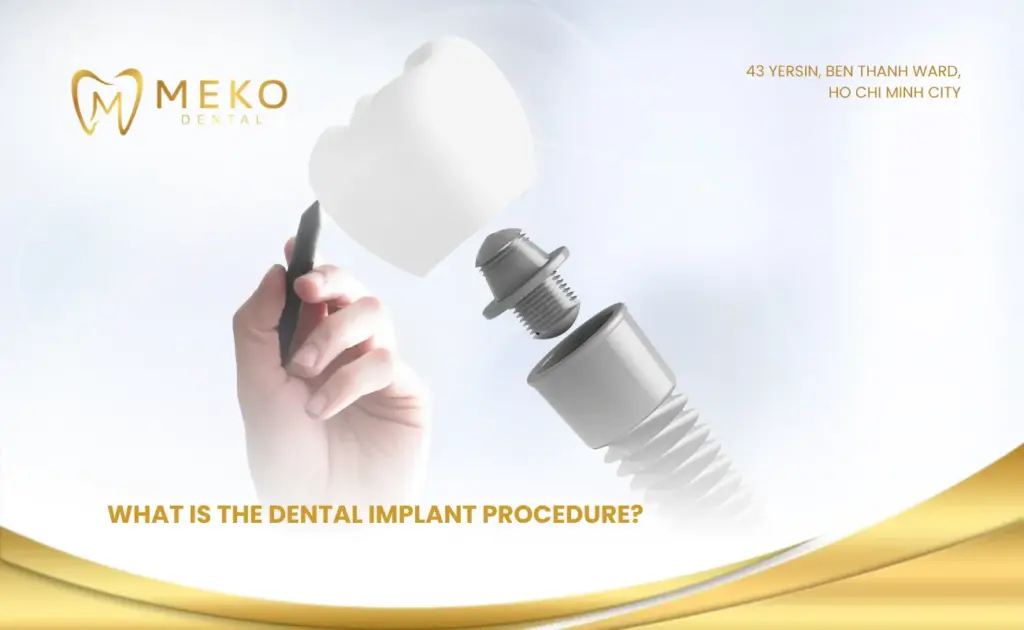
Dental implants for missing teeth, sometimes searched as dental implants missing teeth, are titanium or zirconia posts placed directly into the jawbone to act as an artificial tooth root. Once healed, the post is topped with a custom crown that matches the surrounding teeth. This two-part design is what allows implants to function and last like natural teeth, unlike removable dentures.
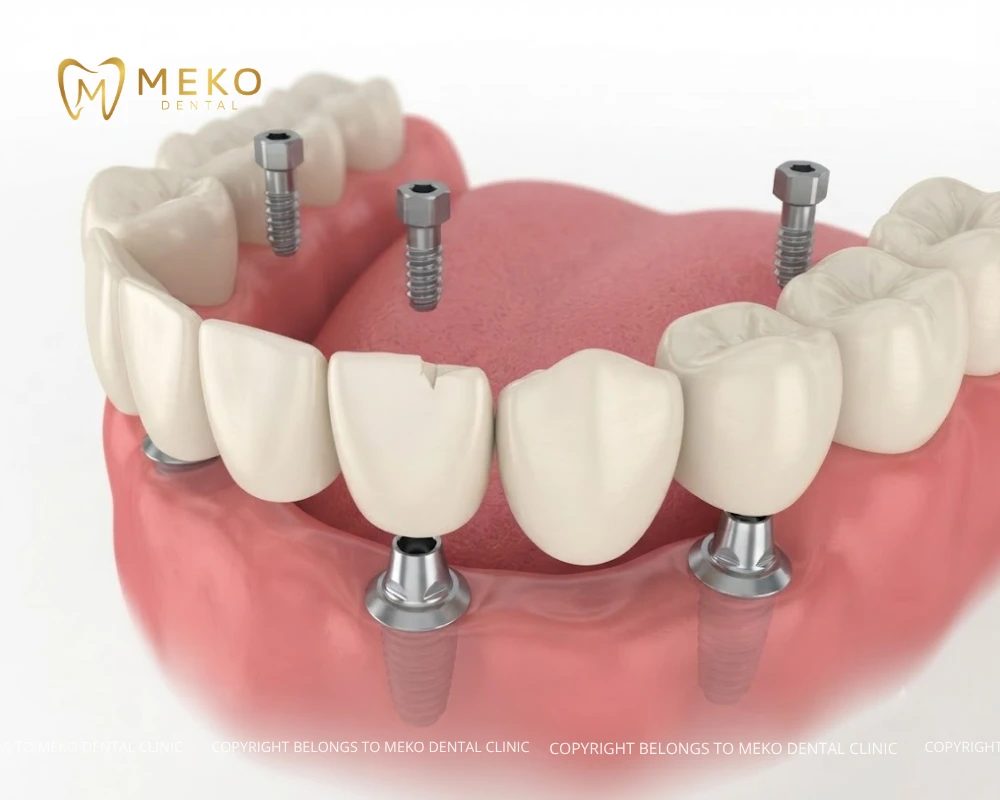
The titanium surface fuses with living bone through a biological process called osseointegration. This fusion typically takes between three and six months, depending on bone density and overall health. After the bond is complete, the implant can support normal biting force for decades with proper care.
2. Why choose dental implants for missing teeth over other options
Dental implants for missing teeth are generally recommended over bridges or dentures because they preserve jawbone and do not depend on neighboring teeth for support. Long-term studies report survival rates above 95 percent even after several decades of use, higher than any other tooth replacement method.
2.1 How to fix missing teeth without implants
Not every patient qualifies for implants right away, and alternatives exist for those who prefer or need a different path. Traditional dentures, dental bridges, and removable partial dentures are the most common non-implant options. Each comes with trade offs in comfort, durability, and bone preservation compared with implant dentistry for missing teeth.
| Option | How it works | Limitation |
| Removable dentures | Sit on the gums, held by suction or adhesive | May move or loosen during meals or conversation |
| Dental bridge | Anchored to adjacent teeth | Requires reshaping healthy teeth |
| Partial denture | Clasps onto remaining teeth | Offers less grip when chewing firmer foods |
2.2 Key benefits of dental implants for missing teeth
The key benefits of dental implants for missing teeth include bone preservation, natural appearance, and independence from surrounding teeth. Left untreated, the jawbone at a missing tooth site can lose up to a quarter of its volume within the first year, which is why dentists recommend acting on tooth loss sooner rather than later.
3. What types of dental implants for missing teeth are available?
Several implant systems exist to match different clinical situations, from a single missing tooth to a fully edentulous arch. Selecting the right dental implants for missing teeth depends on bone volume, the number of missing teeth, and the patient’s budget. A dental professional typically confirms suitability using a CT scan before recommending a specific system for dental implants to replace missing teeth.
3.1 Dental implants for one missing tooth
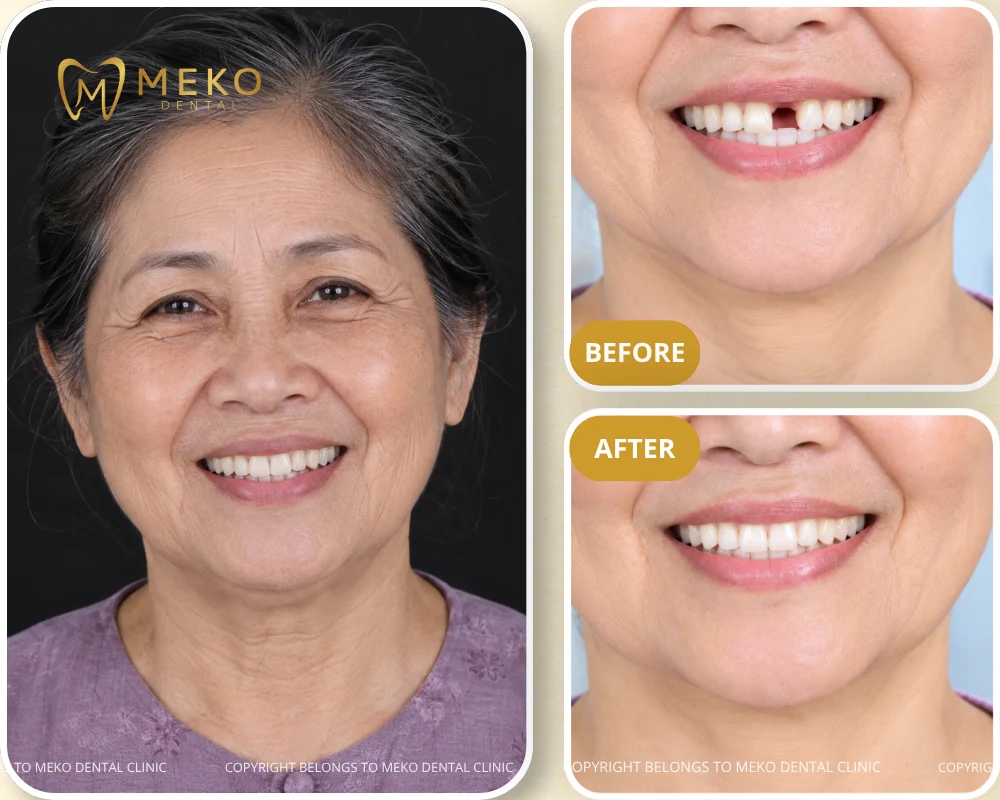
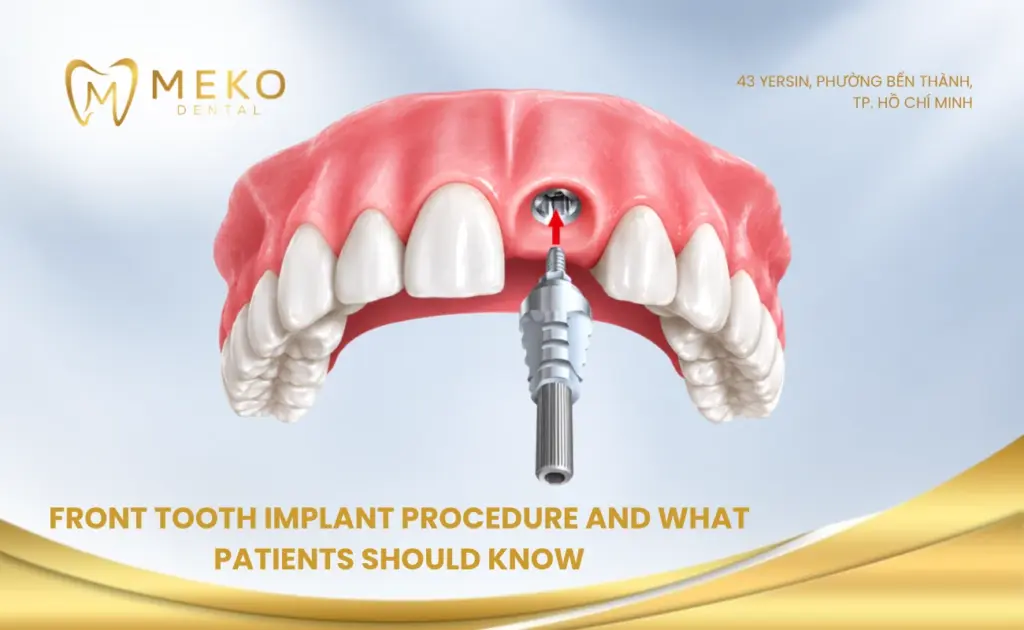
A single missing tooth is usually treated with one implant post and one crown, without involving adjacent teeth. This approach, sometimes called dental implants for missing tooth treatment, is considered the most conservative option available. In select cases with strong bone quality, a same-day implant for one missing tooth is possible, allowing a temporary crown to be placed on the same visit.
3.2 Dental implants for multiple missing teeth
When several teeth are missing, the number of implants needed depends mainly on whether the teeth are adjacent and what type of restoration is planned. The treatment plan usually falls into one of the following categories:
- Two missing teeth in a row: An implant-supported bridge can replace both teeth, typically using two implants to support the restoration.
- Four missing teeth in a row: Two implants may support a four-unit bridge, with the two middle teeth replaced by pontics rather than individual implants.
- Four non-adjacent missing teeth: Separate implants may be considered for each missing tooth, depending on their locations and the available bone.
- Most or all teeth missing: A full-arch solution such as All-on-4 or All-on-6 can replace an entire arch using multiple implants to support a fixed bridge.
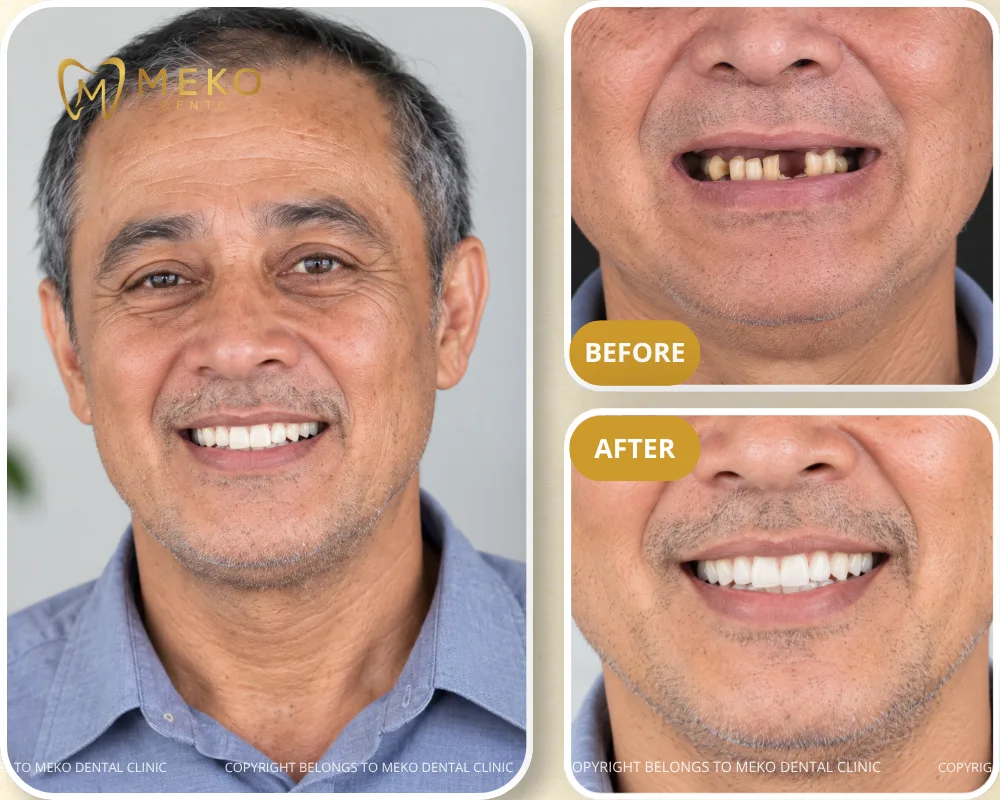
The exact number of implants is determined after evaluating bone volume, bite alignment, and tooth position. The planned restoration, whether a bridge, a full arch, or individual crowns, also affects the final count.
3.3 Why choose mini dental implants to replace your missing teeth
Mini dental implants are narrower than standard posts and are sometimes used when jawbone width is limited. Replacing missing teeth with mini dental implants can shorten treatment time and avoid the need for bone grafting in certain patients. However, mini implants generally carry less biting force than standard implants, so a dentist should confirm whether they suit the patient’s specific case.
4. Comparing dental implants for missing teeth versus bridges and dentures
Replacing missing teeth with implants tends to outperform bridges and dentures in long-term durability, though the right choice still depends on individual health and budget. The comparison below summarizes how each option performs across common decision factors.
| Factor | Dental implants | Dental bridge | Removable denture |
| Bone preservation | Yes | No | No |
| Impact on healthy teeth | None | Adjacent teeth reshaped | None |
| Typical lifespan | 20+ years, often a lifetime | About 10 years on average | 5 to 8 years |
| Daily maintenance | Brush and floss as normal | Brush and floss as normal | Remove and clean nightly |
5. How the treatment process works for tooth loss
Dental implants for tooth loss typically follow a four-stage treatment process, moving from consultation and placement to healing and crown attachment. Total treatment time ranges from about three to eight months depending on whether bone grafting is required.
This staged approach is standard across most dental implants for missing teeth procedures, whether one tooth or a full arch is involved.
- Initial consultation and imaging to assess bone density and plan implant position
- The titanium post is surgically inserted while the area is numbed with local anesthesia
- A recovery window of three to six months follows, allowing the post to fuse with the bone
- Attachment of the custom crown, bridge, or denture once the implant has fully bonded
6. Who is a good candidate for dental implants for missing teeth?
Dental implants can be suitable for most adults who have healthy gums and enough jawbone to support the implants. However, certain factors may affect whether treatment is appropriate:
- Healthy gums and adequate bone: These provide a stable foundation for implant placement.
- Medical conditions: Uncontrolled diabetes or other conditions that affect healing may require additional evaluation.
- Gum disease: Active periodontal disease should generally be treated before implant placement.
- Smoking: Heavy smoking can interfere with healing and increase the risk of implant complications.
- Low bone volume: Insufficient bone does not always rule out implants. Bone grafting or, in selected cases, mini dental implants may provide alternative treatment options.
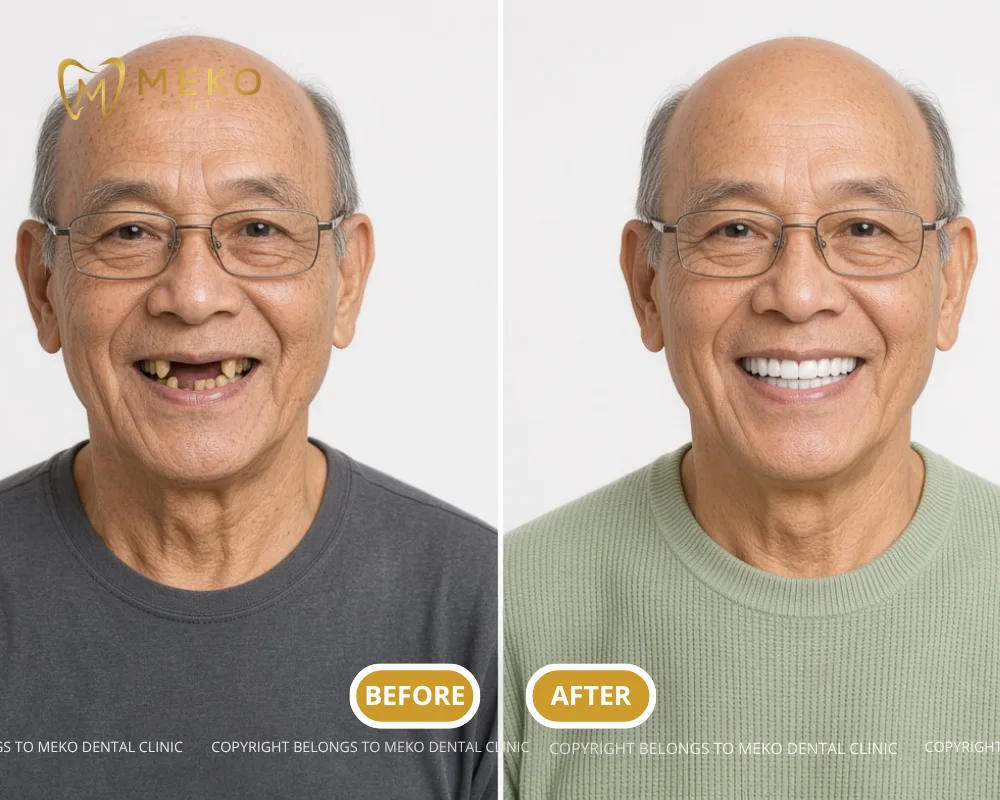
A dentist typically reviews the patient’s medical history and uses dental imaging to assess bone levels. This evaluation helps determine whether dental implants are appropriate and whether any additional treatment may be needed before implant placement.
7. How much do dental implants for missing teeth cost?
The cost of dental implants for missing teeth in Vietnam typically ranges from around 13 million to 45 million VND per tooth. The exact price depends on the implant brand, the crown material, and whether bone grafting is needed. Korean-made implant systems generally sit at the lower end of this range, while Swiss or American brands cost more due to their surface technology and long-term data.
Full-arch solutions such as All-on-4 usually start from about 109 million VND per arch and can reach over 300 million VND for premium implant systems. The table below summarizes typical price ranges by treatment type.
| Treatment | Typical price range (VND) |
| Single implant, standard-grade system | 13.000.000 – 25.000.000 |
| Single implant, premium system | 25.000.000 – 45.000.000 |
| Implant-supported bridge (2 posts) | 26.000.000 – 60.000.000 |
| Full-arch All-on-4 (per jaw) | 109.000.000 – 200.000.000 |
Clinics typically provide a detailed quote only after imaging confirms bone volume and the treatment plan. Additional procedures such as bone grafting or sinus lifts can add to the total cost.
8. Choosing a trusted clinic for missing tooth implant treatment
Selecting an experienced provider for dental implants for missing teeth matters as much as the implant system itself, since accurate placement affects both function and longevity. Patients should look for clinics with clear imaging protocols, transparent pricing, and dentists experienced specifically in implant dentistry for missing teeth.
Meko Dental Clinic follows this structured approach, guiding patients from initial imaging through to the final crown with a clearly explained treatment plan at each stage. This transparency helps patients understand exactly what each stage of treatment involves before committing to a plan.
9. Frequently asked questions
Can lost teeth implants replace an entire arch?
Yes, a full arch of lost teeth implants can be restored using four to six strategically placed posts supporting a fixed bridge, rather than one implant per missing tooth.
Is a missing tooth dental implant painful?
Most patients report mild discomfort managed with over-the-counter pain relief, since the procedure is performed under local anesthesia.
How long do missing teeth implants last?
With consistent oral hygiene, missing teeth implants can last 20 years or longer, and the titanium post itself often lasts a lifetime.
Dental implants for missing teeth remain one of the most reliable long-term solutions for tooth loss. They offer stability, help preserve jawbone, and provide natural function that removable options cannot fully replicate. Patients considering treatment should schedule an imaging-based consultation to determine which implant approach fits their specific bone structure and budget.



 Messenger FB
 WhatsApp
 Book now