

Contents [ Hide ]
Alternative to dental implants can restore missing teeth without placing a post in the jawbone. Some people prefer this approach because of cost, concerns about surgery, or the time needed for implant healing. Dental bridges, removable dentures, and temporary flippers differ in stability, maintenance, and long-term value. Explore these choices and their practical differences with Meko Dental Clinic.
1. Why consider an alternative to dental implants?
Implants often have a higher upfront cost than conventional bridges or dentures, particularly when bone grafting is required. They also involve surgery and healing before the final tooth is attached. For someone who cannot manage multiple appointments or prefers to avoid surgery, a bridge or removable appliance may be a more practical alternative to tooth implant surgery.
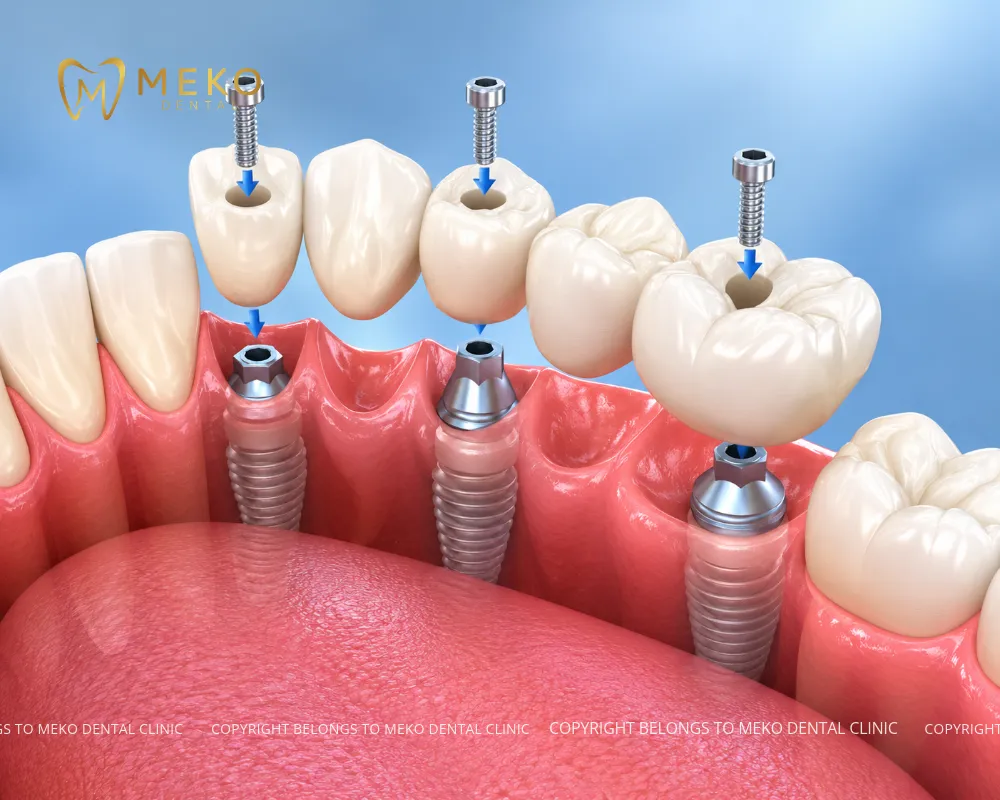
Oral conditions also influence the decision. Active gum disease, limited jawbone volume, and certain health conditions may require additional assessment before implant placement, but they do not always rule it out. An alternative to dental implants may be appropriate when nearby teeth offer reliable support or a removable appliance can replace several gaps more affordably.
2. Five alternatives to dental implants for missing teeth
Five commonly used options are traditional bridges, Maryland bridges, removable partial dentures, complete dentures, and dental flippers. Selecting an alternative to dental implants depends on the number and position of missing teeth, the strength of the remaining teeth, and expectations for comfort, appearance, and upkeep.
2.1 Traditional dental bridges
A traditional bridge fills a gap using one or more artificial teeth attached to a dental crowns on each neighboring supporting tooth. It is generally suitable when stable teeth on both sides can support the bridge. Because the restoration stays fixed in place, eating and speaking usually feel more natural than with a loose removable appliance.
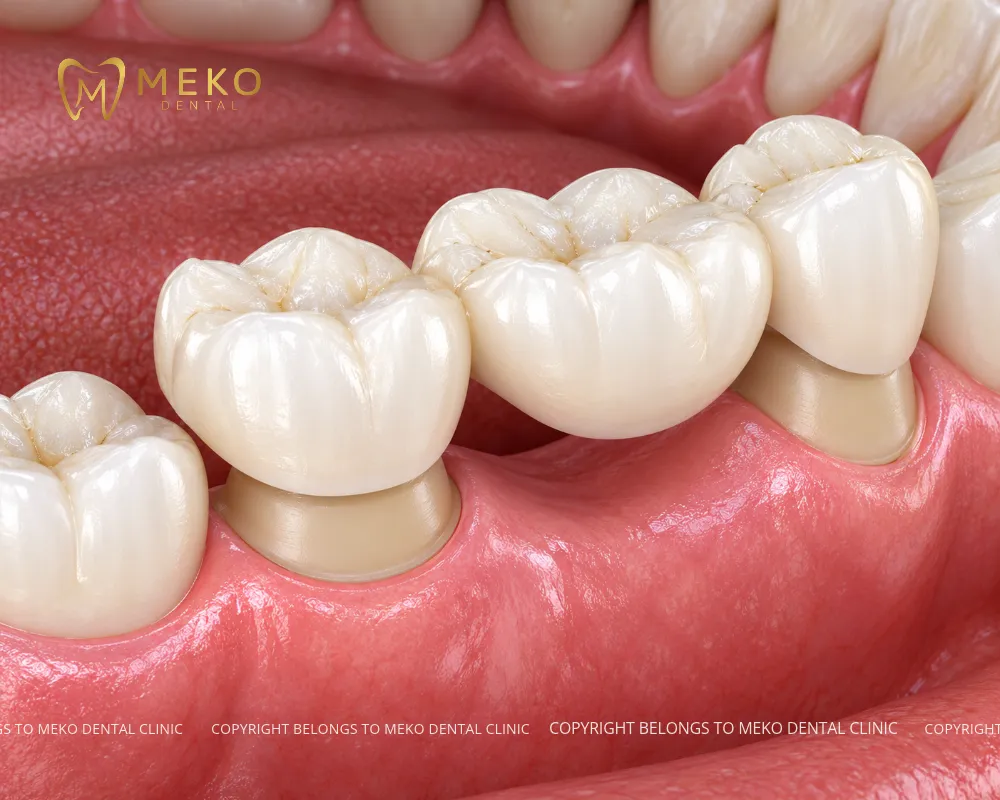
The main drawback is that neighboring teeth usually need to be shaped to hold the crowns. Daily cleaning beneath the artificial tooth also matters. A 2007 systematic review reported that 89.2% of conventional tooth-supported bridges remained in service after 10 years, making this alternative to dental implants a durable option in suitable cases.
2.2 Maryland (resin-bonded) bridges
A Maryland bridge replaces a missing tooth using a small wing bonded to the back of a neighboring tooth, or wings attached to teeth beside the gap. It usually requires less enamel removal than a traditional bridge. This makes it especially useful for a missing front tooth when the supporting enamel and bite are favorable.
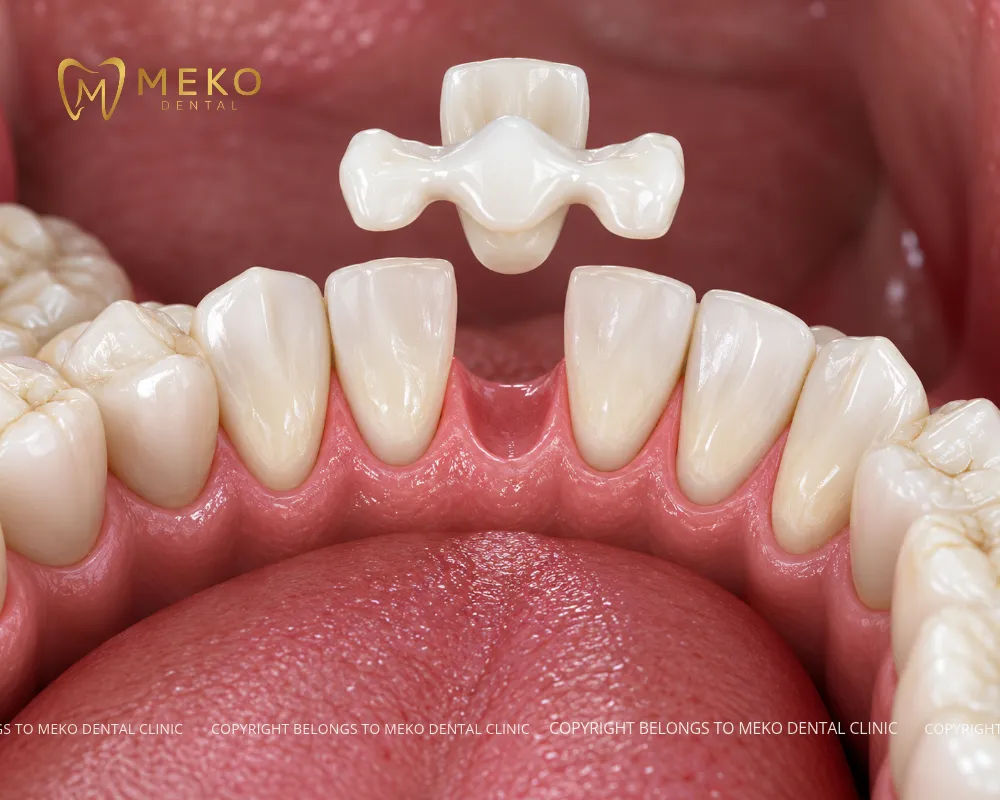
Bonding can loosen under heavy biting forces, making this design less suitable for back teeth or teeth grinding. A 2017 systematic review covering 2,300 resin-bonded bridges estimated 91.4% survival after five years, but also reported a 15% debonding rate. This alternative to dental implants therefore requires careful bite assessment.
2.3 Removable partial dentures
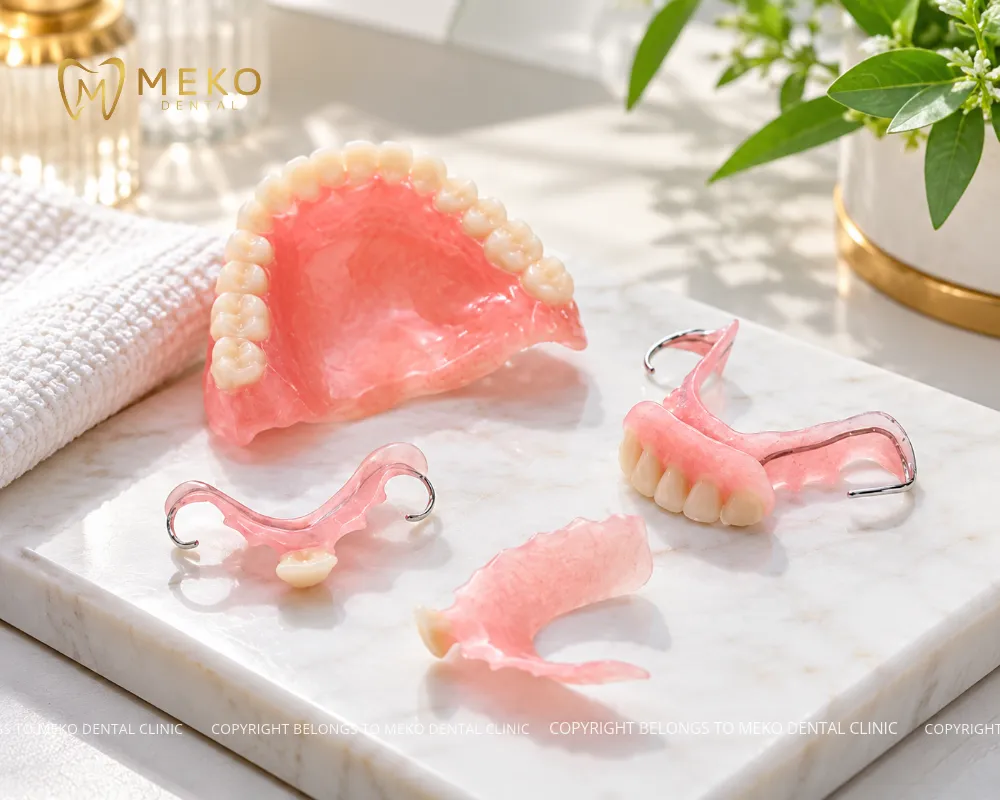
Removable partial dentures replace several missing teeth while fitting around the natural teeth that remain. Acrylic versions are generally more affordable, while metal-framework designs can be slimmer and more rigid. Clasps or other attachments provide retention, although the appliance may still shift slightly during eating or speaking.
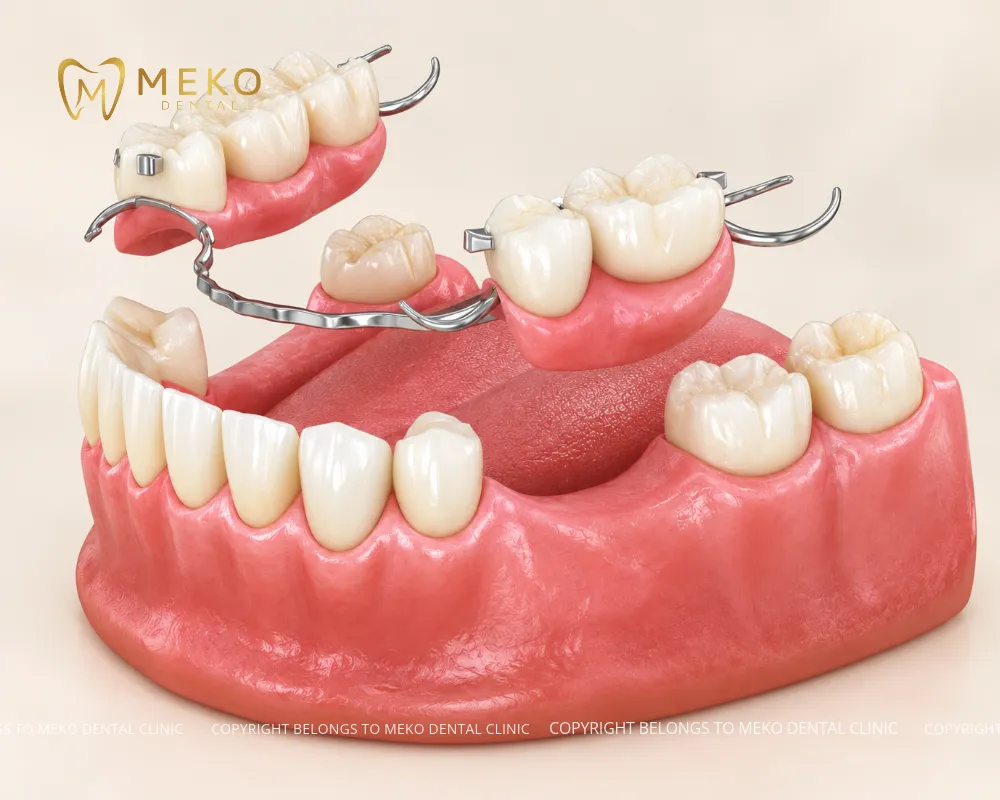
This alternative to dental implants can work when gaps occur in several areas or too few strong teeth remain for a fixed bridge. The NHS recommends removing dentures at night and cleaning them morning and evening. Loose clasps, discomfort, or shifting during meals should prompt a dental review.
2.4 Complete dentures
Complete dentures replace all teeth in an upper or lower jaw with artificial teeth attached to a gum-colored base. They restore facial appearance and allow many everyday foods to be eaten, although chewing force is usually lower than with natural teeth. New wearers also need time to adjust to speaking and chewing.
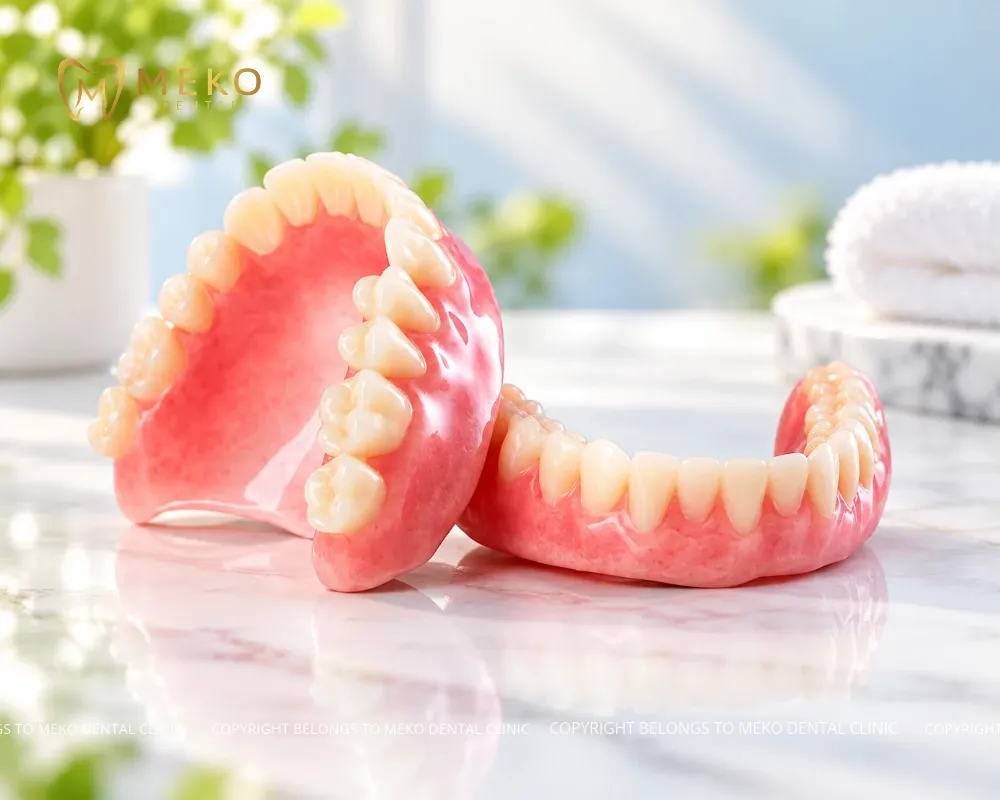
As the gums and jawbone change, dentures can become loose and need relining or replacement. A 2020 systematic review found an average lifespan of 10.1 years for complete dentures, with substantial variation between wearers. This alternative to dental implants is often more affordable initially, but continued fit checks remain important.
2.5 Dental flippers for temporary tooth replacement
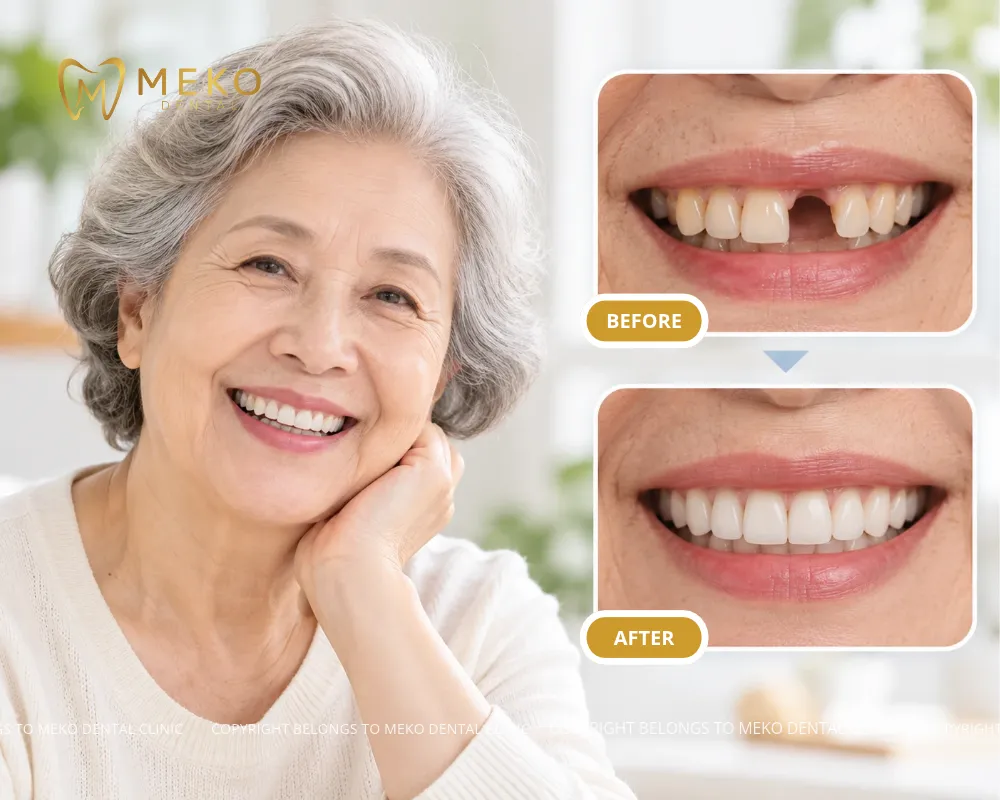
A dental flipper is a lightweight acrylic appliance that temporarily covers one or a few missing teeth. It can maintain appearance after a tooth extraction while a longer-lasting replacement is planned. Although this alternative to dental implants usually costs less initially, it can loosen or fracture and is not designed for prolonged heavy chewing.
3. Comparing dental implant alternatives by cost, durability and comfort
The table below compares five ways to replace missing teeth as an alternative to dental implants, including estimated cost, lifespan, and comfort. Each row also identifies the best use and main limitation to support a more informed tooth replacement decision.
| Option | Best for | Estimated cost (USD) | Lifespan | Main consideration |
| Traditional bridge | 1-3 adjacent gaps | $250-$400 per tooth | 5-15 years | Fixed, requires tooth preparation |
| Maryland bridge | One front tooth | $200-$300 | Varies | Preserves enamel, may detach |
| Partial denture | Several missing teeth | $80-$600 | 7-10 years | Removable, may shift |
| Complete denture | All teeth in one jaw | $200-$500 per jaw | Around 10 years | May loosen over time |
| Dental flipper | Temporary replacement | $50-$150 | Short-term | Less stable and durable |
Traditional bridges generally offer stronger stability but cost more and require preparation of neighboring teeth. Removable dentures are often more affordable for multiple missing teeth, although comfort and fit may change over time. Dental flippers suit temporary gaps, while Maryland bridges work best in selected front-tooth cases with favorable bites.
4. What is the best alternative to dental implants for each case?
The number and location of missing teeth guide the choice of an alternative to dental implants. A single front tooth may suit a bonded bridge, while a missing molar requires stronger support. Separate gaps often favor a removable partial denture.
Before choosing, the dentist should check whether neighboring teeth can support a bridge and whether the gums can retain a denture. Bite pressure also matters, especially for bonded bridges. These checks help identify the most practical option in each case.
- One missing front tooth: A Maryland bridge may be suitable when adjacent teeth have healthy enamel and the bite does not place excessive pressure on the bond.
- One missing back tooth: A traditional bridge may work when strong teeth are present on both sides of the gap and can support crowns.
- Several missing teeth: A removable partial denture can replace multiple gaps, particularly when the remaining teeth cannot support several fixed bridges.
- All teeth missing in one jaw: Complete dentures restore a full row of teeth, although lower dentures may require more adjustments to improve stability.
- Temporary tooth replacement: A dental flipper can cover a visible gap after extraction while a longer-lasting replacement is being prepared.
5. Frequently asked questions
5.1 Can dentures be fitted immediately after tooth extraction?
Yes. Immediate dentures can be prepared before extraction and fitted on the same day the teeth are removed. Because gums change shape during healing, the appliance may need adjustments, relining, or replacement. A dentist must plan the fitting carefully beforehand.
5.2 Can broken dentures be repaired instead of replaced?
Yes. Cracked dentures can sometimes be repaired by a dentist or dental laboratory, depending on the damage and overall fit. Avoid household glue or home repair kits because they may damage the appliance. Bring every broken piece for professional assessment.
5.3 What happens if a tooth supporting a dental bridge develops decay?
Decay beneath a supporting crown requires prompt dental assessment. The bridge may need removal so the affected tooth can be repaired, and the original bridge might not be reusable. Delaying care risks deeper damage and possible loss of tooth support.
5.4 Can removable dentures cause a gag reflex?
Yes. Some people experience gagging when a new denture extends too far toward the back of the mouth or feels bulky. A dentist can check its shape and fit, then make careful professional adjustments rather than accepting persistent daily discomfort.
5.5 Can another tooth be added to an existing partial denture?
Yes, sometimes. An additional artificial tooth can be attached to an existing partial denture, particularly certain acrylic designs. Whether modification is possible depends on the framework, remaining teeth, and overall fit. A damaged or unstable appliance may need complete replacement.
6. Conclusion
For one missing tooth, a traditional bridge offers fixed support when neighboring teeth can hold crowns, while a Maryland bridge may preserve more enamel at the front. Partial dentures replace multiple gaps across the jaw, complete dentures replace all teeth, and flippers provide temporary coverage with limited everyday chewing stability.
At Meko Dental Clinic, an examination of gum health, neighboring teeth, and bite pressure can help identify an alternative to dental implants that suits the specific gap. Schedule a consultation to compare appliance stability, necessary tooth preparation, expected maintenance, and total costs before choosing a suitable fixed or removable option.


 Messenger FB
 WhatsApp
 Book now