
Contents [ Hide ]
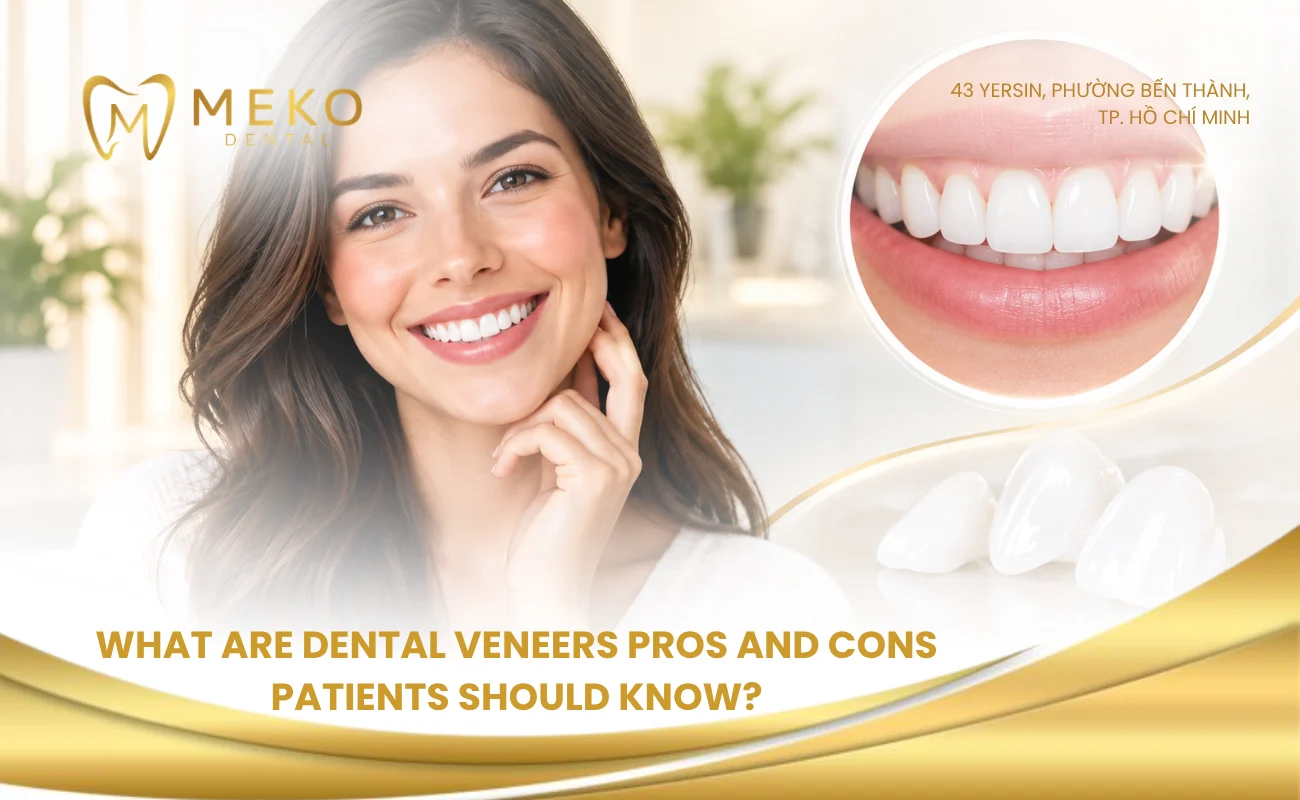
What are the pros and cons of dental veneers? The main advantages are a lifelike, stain-resistant result and a typical lifespan of 10 to 15 years with proper care. The main drawbacks are permanent enamel removal with porcelain, higher cost and the risk of chipping or loosening. The dental veneers pros and cons therefore suit patients with healthy teeth who accept a permanent change.
1. Dental veneers pros and cons at a glance
Veneers trade a lifelike, durable cosmetic result for permanent enamel removal and ongoing upkeep. The table lists the dental veneer pros & cons side by side, drawing on the ADA, Cleveland Clinic and Healthdirect.
| Pros | Cons |
| Lifelike, light-reflecting look with porcelain | Most types require permanent enamel removal |
| Holds color better than untreated enamel over time | Can make teeth more reactive to temperature |
| Can conceal chips, gaps, stains and uneven shape | May crack or fall off; colour cannot be changed after placement |
| Typically holds up for 10–15 years when cared for properly | Elective procedure, often not insured |
| Covers only the front surface, unlike a crown | Decay can still form under or around the veneer |
2. What are the advantages of dental veneers?
The main dental veneers advantages are a natural look, better stain resistance than enamel and the ability to correct several cosmetic flaws in one treatment. These veneer advantages apply most strongly to porcelain. Among the dental veneers pros and cons, these benefits are the most visible.
2.1 Natural look and stain resistance
Porcelain veneers can look more realistic than resin. Cleveland Clinic states that veneers resist staining better than natural enamel. The ADA describes composite as less resistant to stains and wear. These two dental veneer advantages account for most of the appearance benefit.

2.2 Several fixes in one treatment
Veneers can conceal chips, cracks, gaps, misshapen teeth and stains that whitening does not improve. These veneer treatment advantages let one plan address several concerns. This matters most in the dental veneers pros and cons for patients with multiple mild flaws. Veneers do not straighten teeth or fix the bite.
2.3 Short treatment time
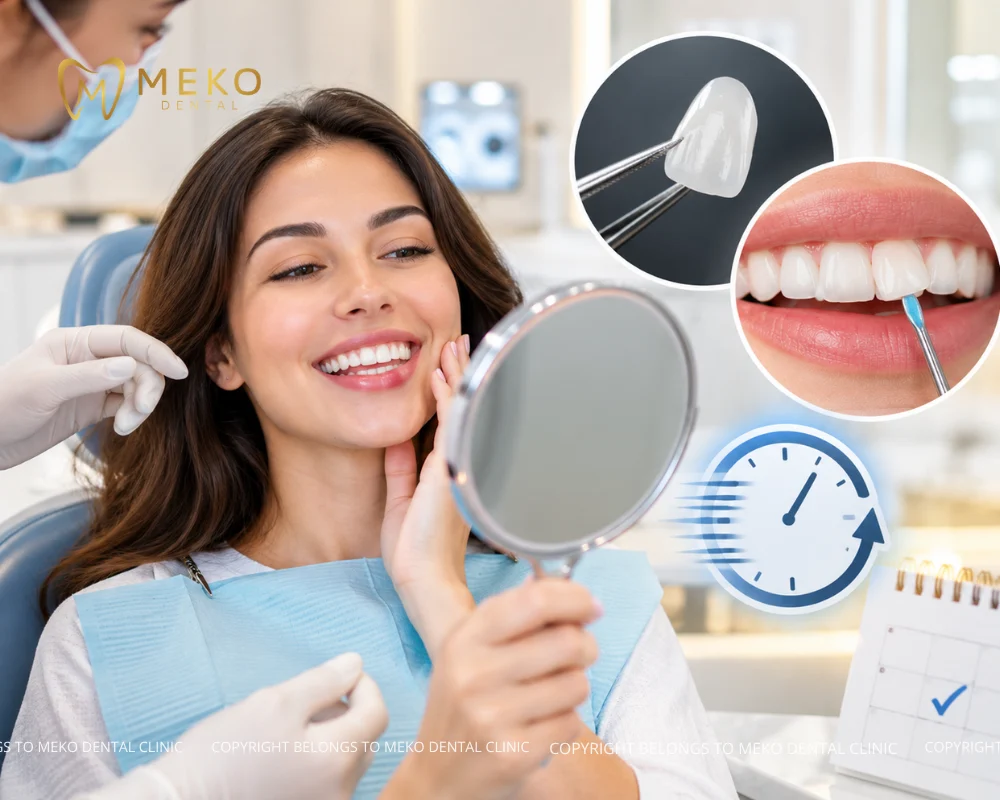
The veneer procedure advantages include a short schedule, and this counts among the veneers advantages linked to convenience. Composite can be finished in one visit, while porcelain usually needs a second appointment. Patients can return to normal activities right away, with no recovery period needed.
2.4 Functional advantages of dental veneers
The functional advantages of dental veneers are limited. Cleveland Clinic describes veneers as cosmetic restorations that do not necessarily strengthen or repair teeth. They can help restore worn teeth, and unlike crowns they cover only the front surface.
3. What are the cons of veneers?
The main veneer cons are irreversible enamel removal, sensitivity, the risk of cracking or falling off, and cost. Dental veneers cons are easier to manage when decay and gum disease are treated before placement. This side of the dental veneers pros and cons deserves equal attention.
3.1 Enamel removal cannot be undone
Porcelain veneers require removing a small amount of enamel from the front and sides of the tooth. Enamel does not grow back, so most veneers are permanent.
Permanence is the point in the dental veneers pros and cons that patients should weigh first. Some no-prep types are reversible, but they may still involve some enamel removal.
3.2 Sensitivity, gum changes and decay
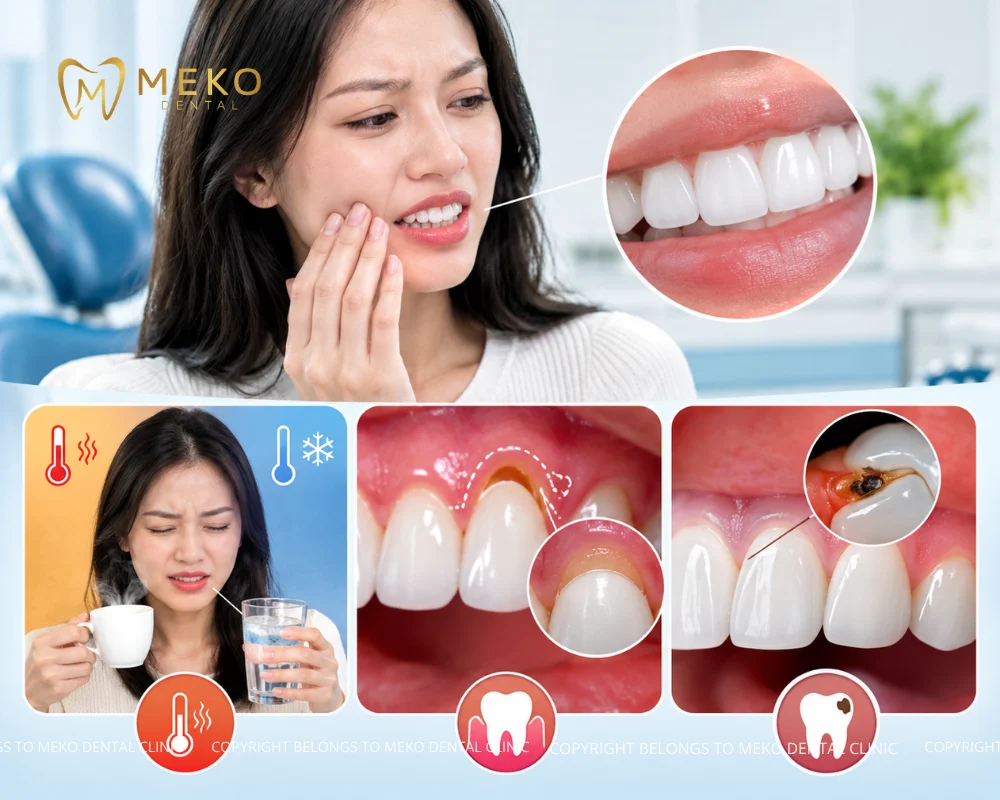
Teeth may become more sensitive to heat and cold because enamel is removed. If the gum recedes, the edge of a veneer may show, and the veneer colour cannot be changed after placement. Decay can still form under or around a veneer, so brushing, flossing and regular check-ups remain necessary.
3.3 Chipping, cracking and loosening
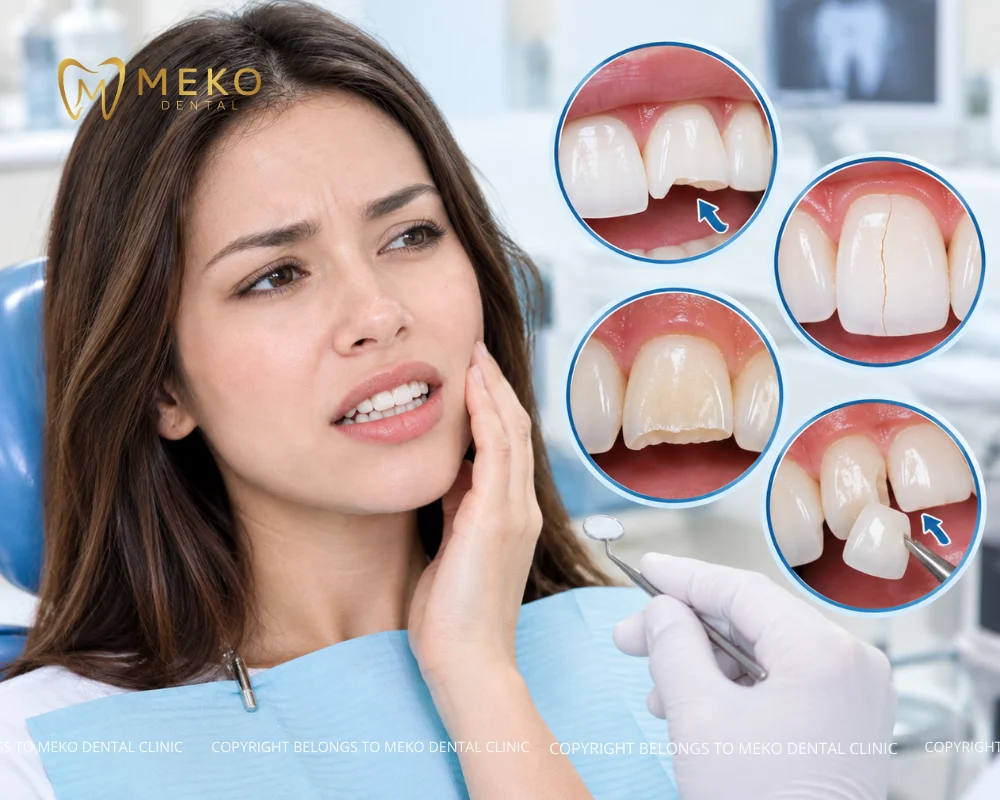
A veneer may chip, crack, wear down or loosen, and the dentist may need to re-bond, repair or replace it. Veneer teeth pros and cons look different for patients who grind or clench, and the ADA says a deep overbite can also make veneers a poor choice. Composite is easier to fix when damaged, which makes it one of the veneers cons that varies by material.
3.4 Cost and insurance
Porcelain generally costs more than composite, and the total depends on the number and size of the veneers. Veneers are cosmetic, so insurance may not cover them. An itemised quote helps compare the dental veneers pros and cons in financial terms.
4. How long do veneers last and what does research say?
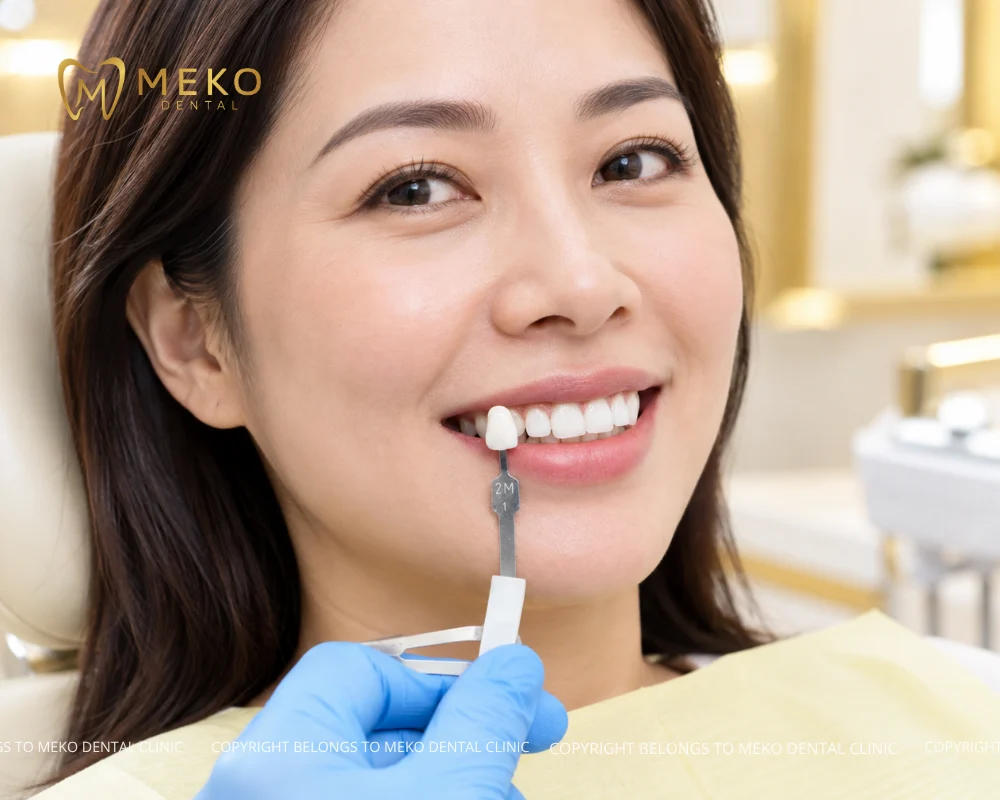
Cleveland Clinic states that veneers last between 10 and 15 years on average with proper care and maintenance. Composite is less wear-resistant than porcelain and may need replacing sooner. Lifespan is a central part of the dental veneers pros and cons.
Clinical research supports the durability of porcelain. A systematic review estimated 95.7% survival for feldspathic porcelain veneers at 5 years, with 10-year results ranging from 64% to 95% across three studies. A later review of 25 studies and 6,500 porcelain laminate veneers estimated 95.5% survival at 10 years.
Survival means the veneer stayed in service without a serious failure such as fracture or debonding, not that it looked new. Veneers are durable but not lifelong, so the pros and cons of veneers include a future replacement.
5. Porcelain vs composite dental veneers pros and cons
Porcelain is stronger, longer lasting and more stain-resistant, but it costs more and requires enamel removal. Composite may need less enamel removal, fewer visits and simpler repairs, but it resists stains and wear less well.
| Feature | Porcelain | Composite |
| Durability | Strong; about 10 to 15 years | Less wear-resistant; may need replacing sooner |
| Stain resistance | Higher | Lower |
| Enamel removal | Small amount removed | May need less |
| Visits | Usually two | Usually one |
| Repairs | Can be repaired or replaced if damaged | Easier to fix |
| Cost | Higher | Lower |
Material choice shifts the dental veneers pros and cons noticeably. This comparison of veneers teeth pros and cons also gives a ready list of questions for the consultation.
6. How to weigh dental veneers pros and cons before booking
Match each of the dental veneers pros and cons to personal goals, budget and oral health, then confirm the fit through an examination by a licensed dentist. Decay and gum disease should be treated first, and the dentist should explain the alternatives and give a written plan before any enamel is removed.
6.1 Questions to ask the dentist
These questions can help turn the benefits and drawbacks of veneers into a personal assessment:
- Do my teeth or gums need treatment before veneers?
- Which material suits my teeth, and why?
- How much enamel will be removed?
- Do grinding, clenching or my bite affect the plan?
- What is the total cost, and what would a replacement cost later?
6.2 Why the provider matters
Provider choice can affect the safety and outcome of veneer treatment. The ADA warns against “veneer technician” services that exclude the dentist, citing risks such as infection, veneers placed over unhealthy teeth and nerve damage from improper trimming. Patients should confirm that the provider is a licensed dentist.

6.3 Are veneers worth it?
Veneers are usually worth considering for patients with healthy teeth, cosmetic goals that suit the treatment and a budget that covers future replacement. They are harder to justify when whitening or bonding would meet the goal. The dental veneers pros and cons therefore differ from person to person.
The number of teeth being treated also changes the decision. Restoring one chipped tooth is a much simpler call than redesigning a full smile, which costs more and takes more enamel with it. A written treatment plan with a price for each option makes the choice easier to compare.
7. Final thoughts
Porcelain veneers give a lifelike result and last well, but they also mean permanent enamel removal, a higher cost and eventual replacement. Whether they suit you is best decided after an examination, not from general advice alone.
If you’re weighing the pros and cons of veneers, a consultation is a good place to start. The dental team at Meko Dental Clinic can go through the materials with you, along with alternatives such as whitening or bonding.
This article is for general information only and can’t replace an examination with your dentist. How long veneers last and what they cost depend on the material, the clinic and your own teeth.
References
- American Dental Association. Veneers. MouthHealthy. https://www.mouthhealthy.org/all-topics-a-z/veneers
- American Dental Association. Statement on recent reports of “veneer technicians.” May 14, 2024. https://www.ada.org/about/press-releases/statement-on-recent-reports-of-veneer-technicians
- American Dental Association. Teeth whitening. MouthHealthy. https://www.mouthhealthy.org/all-topics-a-z/teeth-whitening
- Healthdirect Australia. Veneers. Last reviewed February 2025. https://www.healthdirect.gov.au/veneers



 Messenger FB
 WhatsApp
 Book now