
Contents [ Hide ]
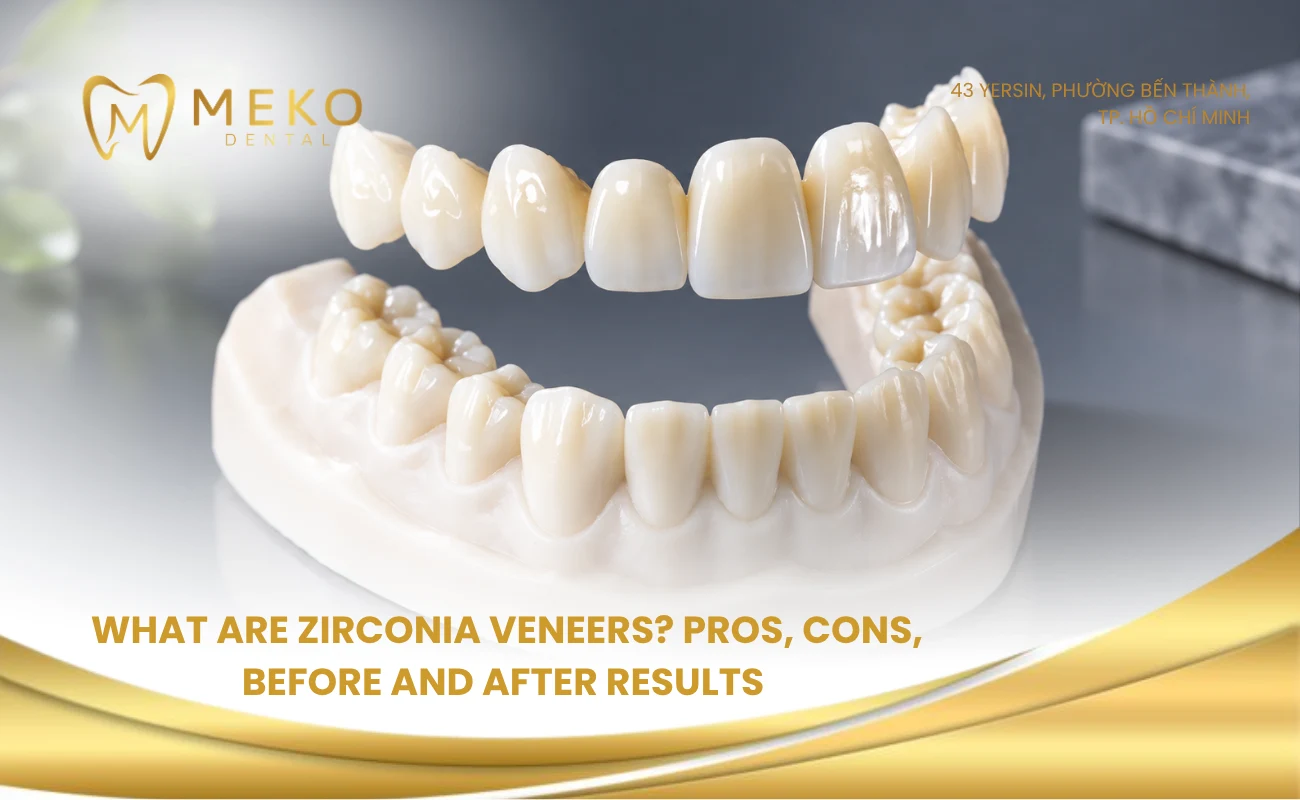
Zirconia veneers are prized for one reason above all: they combine the strength of a dental crown with the subtlety of a veneer. Made from thin shells of zirconium oxide, they correct a tooth’s color, shape or alignment while resisting chips and cracks far better than older ceramics. This guide walks through how the treatment works, what it costs in durability trade-offs, and how long the results actually hold up.
1. What are zirconia veneers?
Zirconia veneers are dental restorations made from zirconium oxide, a dense ceramic originally developed for industrial and medical use. A thin shell of the material is shaped to fit over the visible surface of a tooth. This corrects color, spacing or minor structural issues.
Flexural strength is where zirconia pulls ahead of older ceramics. Most published figures put it somewhere between 800 and 1,200 MPa. That’s roughly two to three times stronger than lithium disilicate, which typically tops out around 360 to 440 MPa. In practice, that difference shows up most on teeth that take a heavier bite. Thinner porcelain options tend to chip more easily under the same pressure.
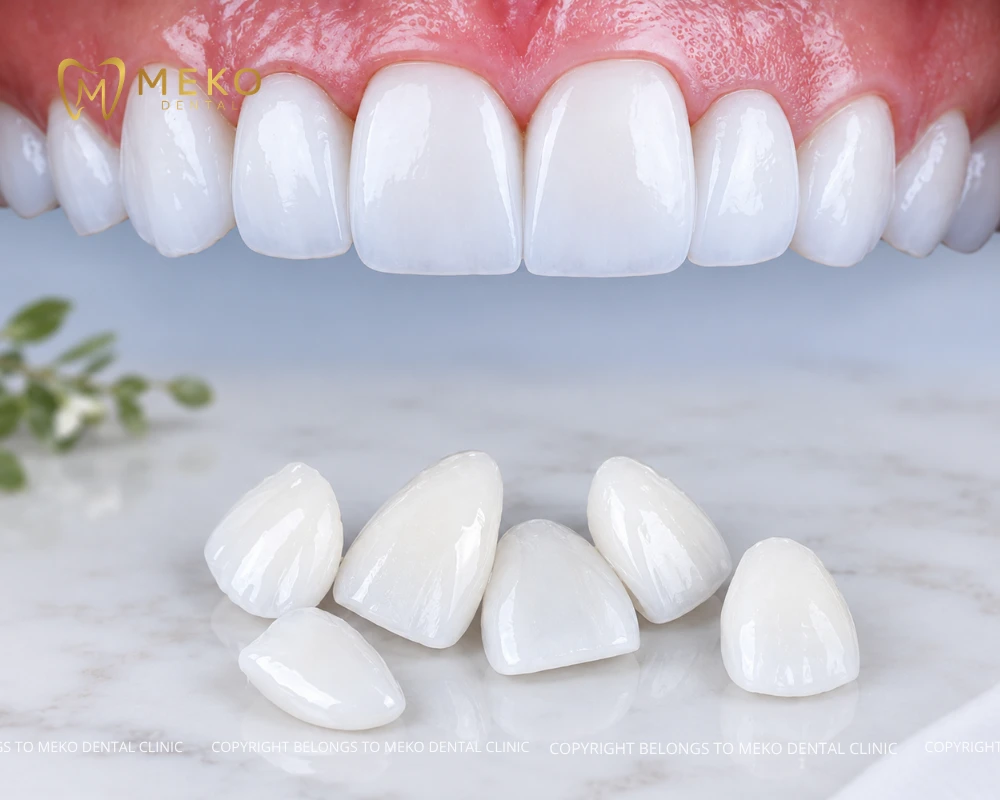
2. How are zirconia porcelain veneers made?
The process runs through a digital workflow that combines chairside preparation with laboratory milling. A full treatment usually spans two to three visits. Most patients complete it within one to two weeks, depending on lab turnaround.
2.1 Consultation and tooth preparation
At the first visit, the dentist spends most of the time checking the bite and matching the shade to surrounding teeth. A 3D scan is often taken as well. All of this feeds into the treatment plan before anything is prepared.
Once the plan is confirmed, a thin layer of enamel gets shaved off the front of the tooth. This is usually somewhere between 0.5 and 1.5 mm, just enough to make room for the shell.
From there, either a digital impression or a physical mold goes off to the ceramic lab. The veneer is milled and fired at high heat before it comes back for fitting.
2.2 Bonding the veneers to the tooth
This step is the most technically demanding part of the zirconia veneers procedure. The material lacks silica, so it cannot be etched with standard hydrofluoric acid the way porcelain can. Dentists use one of two methods instead.
| Bonding method | How it works | Consideration |
| Sandblasting | Creates micro-mechanical roughness on the surface | Can introduce microcracks if overdone |
| Hydrofluoric-nitric acid mixture | Chemically modifies the surface for stronger adhesion | Takes longer but shows favorable bond strength in trials |
A 2025 randomized controlled trial published in the journal Polymers looked at this directly. It compared acid-etched zirconia veneers with lithium disilicate veneers, both bonded using an MDP-containing adhesive.
At the one-year mark, the zirconia group reached a 100 percent survival rate. Success, factoring in minor complications, came in at 96.2 percent, statistically on par with lithium disilicate. It’s one of the first controlled studies to confirm that a properly bonded zirconia restoration holds up just as well as more established porcelain options.
3. Zirconia veneers pros and cons
Zirconia veneers pros and cons come down to a fairly simple trade-off: exceptional strength and biocompatibility, offset by a trickier bonding process and a higher price tag than standard porcelain.
| Aspect | Advantage | Trade-off |
| Strength | High resistance to chipping and fracture | Requires a specialized bonding technique |
| Aesthetics | Wide shade range, strong masking of discoloration | Older monolithic formulations can look slightly opaque |
| Biocompatibility | Metal-free, low allergy risk | N/A |
| Bonding | Strong retention when properly etched or sandblasted | Cannot use standard acid etching |
| Cost | Long service life may offset the upfront price | Typically pricier than composite or standard porcelain |
The most cited zirconia veneers disadvantages relate to bonding complexity. Because the surface resists standard etching, dentists need specific protocols such as sandblasting or acid mixtures to secure a durable bond.
Inconsistent technique can shorten the restoration’s service life. It is also semi-permanent, since enamel removal during preparation cannot be reversed once it is done.
4. How long do zirconia veneers last?
They typically last between 10 and 15 years, and often longer, with proper oral hygiene and regular dental visits. This zirconia veneers lifespan is comparable to, or better than, standard porcelain, especially for patients prone to grinding or heavy biting forces.
Several factors influence how long the restoration holds up in real-world use.
- Oral hygiene: Consistent brushing and flossing reduce decay risk at the margins.
- Bruxism: Teeth grinding places extra stress on any ceramic restoration.
- Diet: Biting into very hard foods such as ice raises the risk of chipping.
- Bonding quality: A properly executed protocol directly affects durability.
- Regular checkups: Periodic evaluation catches early wear before it becomes a bigger problem.
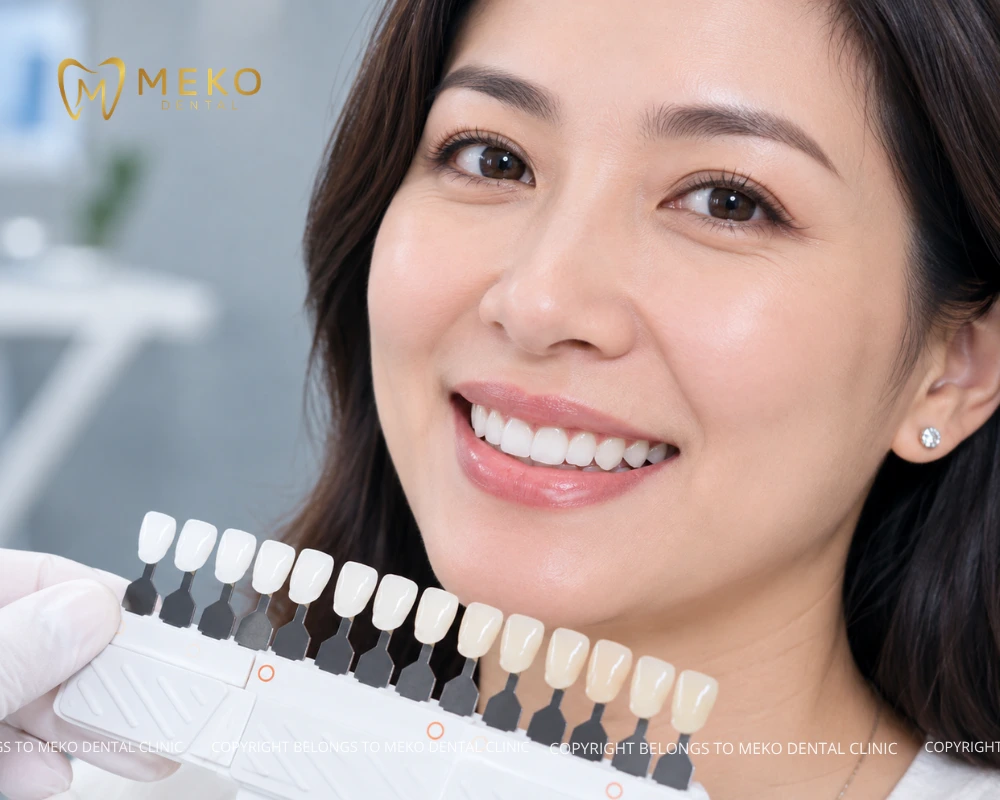
Broader clinical data on zirconia-based dental restorations report survival rates generally above 90 percent at the five-year mark. Some longer follow-ups extend past a decade. So when patients ask how long does zirconia veneers last, or phrase it as zirconia veneers how long does it last, the honest answer is that it depends on the individual.
5. Are zirconia veneers permanent?
They are not permanent in the strictest sense, though they are considered a long-term, semi-permanent solution once the tooth has been prepared. Whether the treatment counts as permanent often comes down to definition. The shell itself may eventually need replacement, while the enamel reduction beneath it cannot be undone.
Some patients assume this treatment requires no future maintenance. In practice, it should be checked periodically. Replacement may eventually be needed due to normal wear, gum changes, or shifts in bite over the years.
6. Do zirconia veneers stain?
They resist staining far better than natural enamel or composite resin, thanks to their dense, low-porosity ceramic surface. Coffee, tea, red wine and tobacco are much less likely to penetrate the material compared with untreated tooth structure.
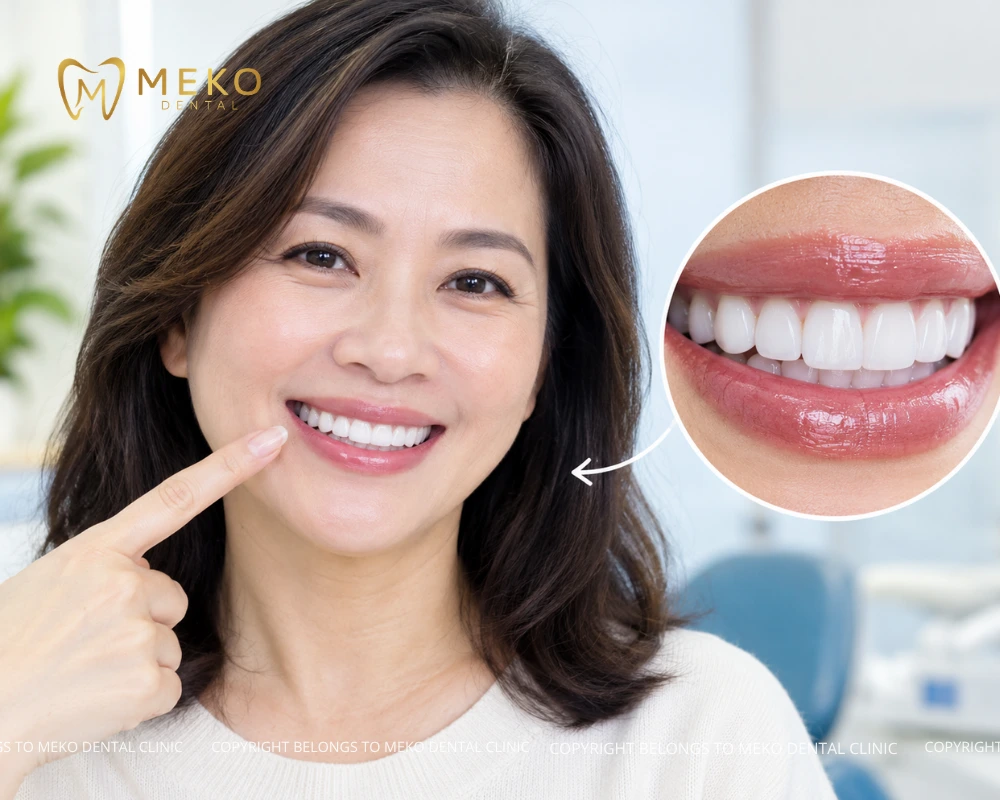
Staining can still occur along the bonding margin if the seal between tooth and shell weakens over time. This is another reason bonding technique matters so much for long-term results. Routine professional cleaning keeps both the surface and the margins free of discoloration.
7. Translucent zirconia veneers and the aesthetics gap
Translucent zirconia veneers use a modified ceramic structure to let more light pass through. This closes much of the visual gap with natural enamel that older, more opaque zirconia could not match. They achieve this through two adjustments:
- Higher yttria content: shifts more of the material into the light-transmitting cubic phase
- Increased cubic phase percentage: lets light pass through closer to how natural enamel behaves
That adjustment isn’t without a cost:
| Factor | Effect |
| More cubic phase | Better translucency, more natural look |
| Less tetragonal phase | Slightly lower flexural strength |
Multi-year trials comparing high-translucency zirconia with lithium disilicate found no statistically significant gap in esthetic or functional outcomes. Anyone researching the best translucent zirconia veneers as a porcelain alternative can take that as reassurance. The look improves without giving up much of the strength that made zirconia worth choosing to begin with.
8. Zirconia veneers before and after
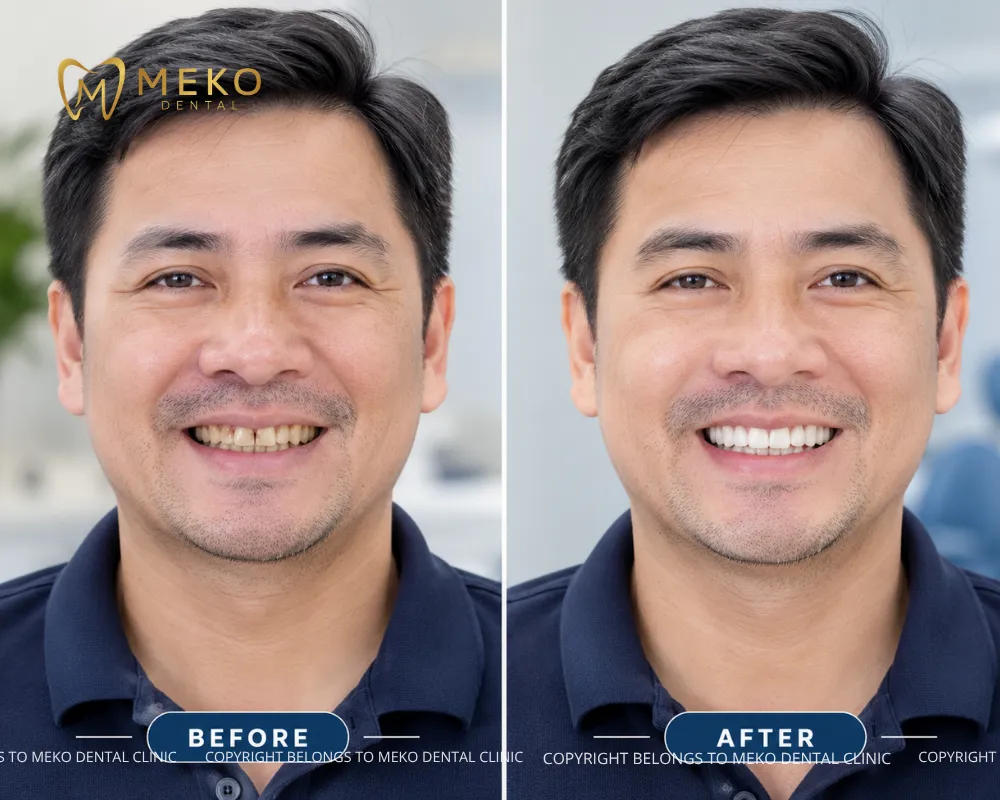
Zirconia veneers before and after photos tend to tell a similar story. Tooth color evens out, small chips or gaps disappear, and the smile line often looks straighter, sometimes enough to skip orthodontics entirely. Because each shell is shaped from a digital scan of the patient’s own teeth, the result tracks their actual facial proportions instead of a one-size-fits-all mold.
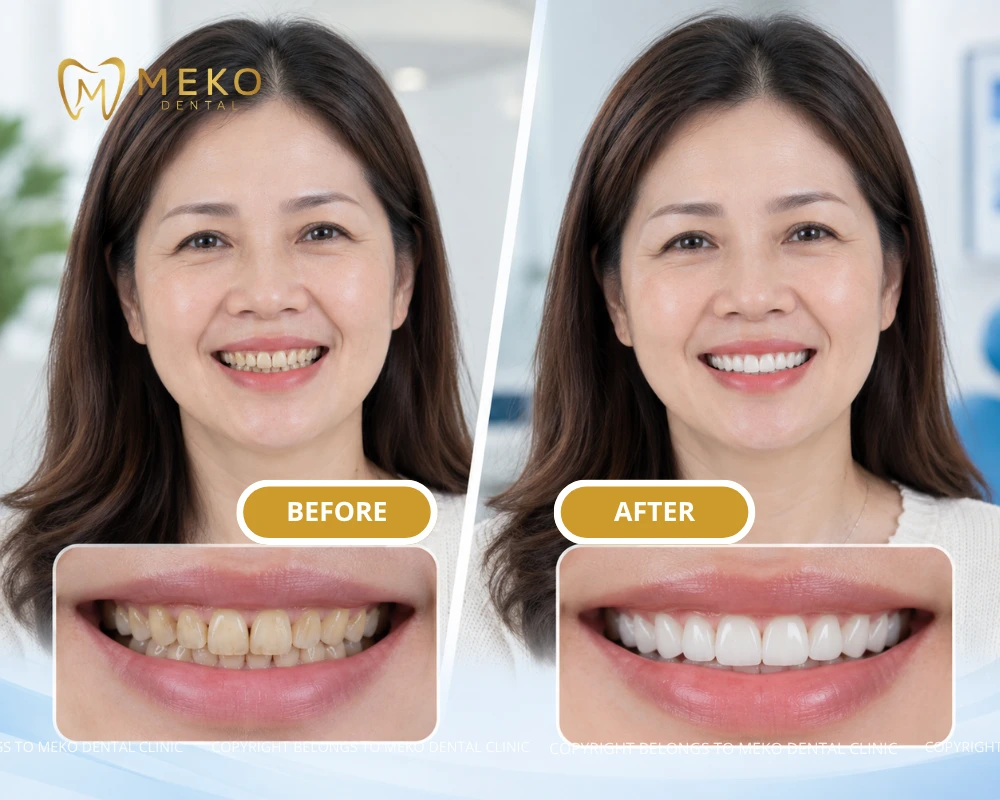
Patients considering treatment should review before and after cases with a similar starting tooth condition to their own. Outcomes vary with original shade, alignment and gum position.
9. Porcelain zirconia veneers vs traditional porcelain
Porcelain zirconia veneers generally win on strength and durability, while traditional porcelain wins on translucency and upfront cost. The right choice usually comes down to which of those two trade-offs matters more to the patient.
| Factor | Zirconia dental veneers | Traditional porcelain veneers |
| Flexural strength | Approximately 800 to 1,200 MPa | Approximately 360 to 440 MPa (lithium disilicate) |
| Bonding | Requires sandblasting or acid mixture etching | Etches easily with standard hydrofluoric acid |
| Aesthetics | Excellent with newer translucent formulations | Slightly better light transmission overall |
| Typical lifespan | 10 to 15+ years | 10 to 15 years, more sensitive to grinding |
| Best suited for | Patients with bruxism or chipped restorations | Patients wanting maximum translucency with minimal prep |
10. Who is a good candidate for this treatment?
Zirconia veneers work best for patients who want a durable, long-term fix and are not ideal for those with certain bite or gum issues that need to be addressed first. Here’s how that breaks down in practice.
Good candidates typically:
- Want long-lasting results and don’t want to think about replacement for over a decade
- Have a history of chipped or worn restorations, including mild bruxism
- Want a metal-free, biocompatible option with minimal risk of gum irritation
Less suitable candidates include those with:
- Insufficient tooth enamel for a stable bonding surface
- Severe bite misalignment that needs orthodontic correction first
- Uncontrolled bruxism
- Active gum disease
- Poorly controlled chronic conditions that affect healing, such as uncontrolled diabetes
A qualified dentist should always assess bite alignment and oral health before recommending this material over other restoration types. A short consultation is usually enough to rule out anything that would complicate the bonding process later on.
Zirconia veneers combine strength, biocompatibility and steadily improving aesthetics, especially now that translucent formulations have narrowed the visual gap with porcelain. No restoration is entirely permanent, but a well-placed set can realistically last over a decade with proper care. Bite force, gum health and desired shade all play a role in the final outcome, so it’s worth getting a proper look before deciding. The team at Meko Dentalcan walk through the options and help figure out what actually fits.


 Messenger FB
 WhatsApp
 Book now