

Contents [ Hide ]
Does laser teeth whitening hurt? For most patients, not seriously. Mild, temporary sensitivity can follow treatment, but it usually fades within a day or two. This article looks at what causes that sensitivity, what it actually feels like, and how dentists reduce it.
1. Short answer: does laser teeth whitening hurt?
Most patients feel little to nothing while the treatment is actually happening. Some do notice a brief, sharp twinge or a dull ache. This can happen during the session or within the first day afterward, and it usually fades on its own. Gum tissue can also sting briefly if gel touches it directly.
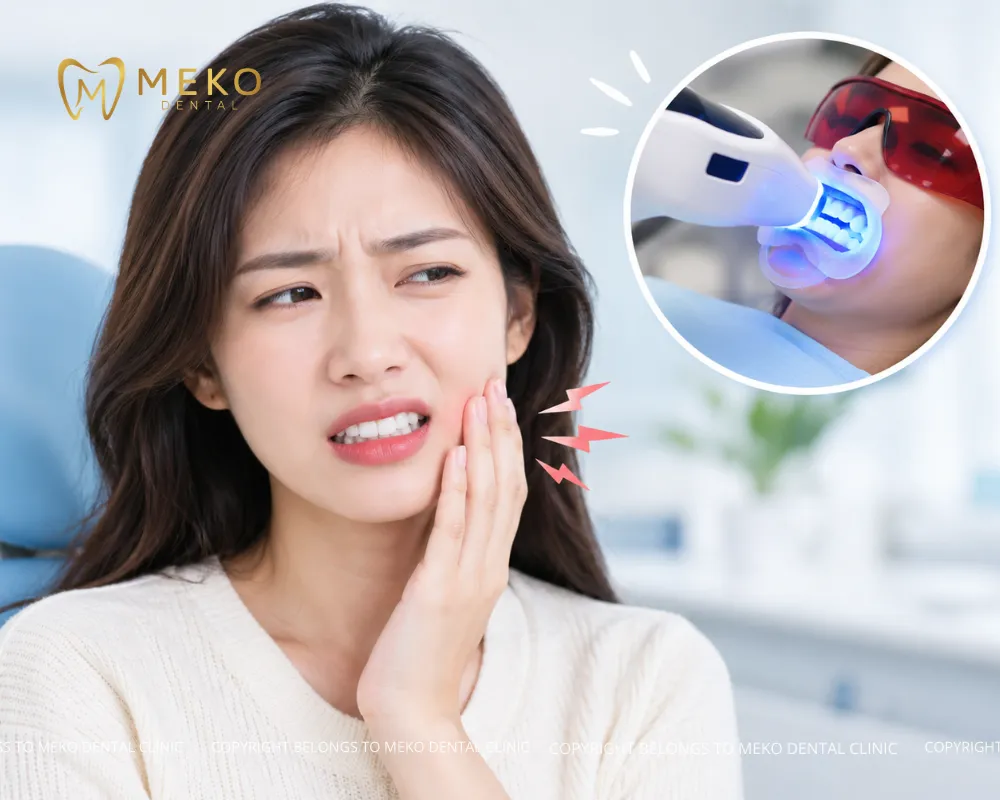
Clinical literature describes bleaching-related sensitivity as the most common side effect of whitening treatment. Some studies report it in more than 70 percent of patients. That figure sounds alarming out of context. In practice, does laser teeth whitening hurt enough to worry about? For most people, no.
How much laser teeth whitening hurts comes down to three things: the gel strength, how long it stays on the teeth, and the starting condition of the enamel and gums. A dentist can adjust all three on the day, which is one reason supervised, in-office laser teeth whitening tends to be safer than unsupervised alternatives.
2. Why does laser teeth whitening hurt?
Hydrogen peroxide is a small enough molecule to pass through enamel and into dentinal tubules. These are the microscopic channels that run from the tooth surface toward the pulp, where the nerve sits.
Once inside, it can set off a temporary inflammatory response in the pulp tissue. That response is what patients experience as sensitivity, or occasionally a sharper jolt of pain triggered by cold air or a cold drink.
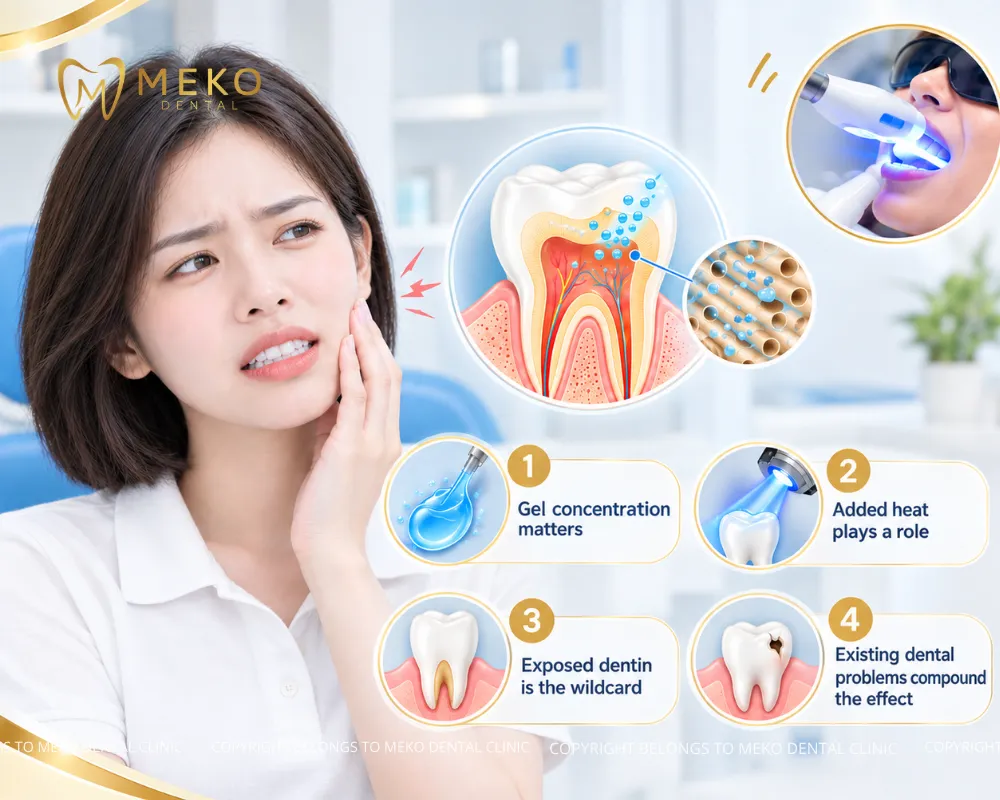
A handful of factors help explain why laser teeth whitening hurts more for some patients than others:
- Gel concentration matters more than almost anything else
Higher-percentage peroxide gels correlate with more frequent and more intense sensitivity in clinical trials. This often happens without a proportional improvement in final shade.
- Added heat plays a role too
Light sources that warm the gel can accelerate the chemical reaction. That extra thermal energy also appears to stress pulp tissue somewhat more than gel used without a light.
- Exposed dentin is the wildcard
Gum recession, worn enamel, and small enamel cracks all reduce the natural insulation between the gel and the nerve. The same treatment can feel very different from one patient to the next as a result.
- Existing dental problems compound the effect
A cavity or inflamed gum tissue changes the picture. What would otherwise be mild, expected sensitivity can turn sharper and harder to ignore.
Individual anatomy and tooth history both factor into the answer. So does how recently someone had other dental work done. There is no single universal explanation, which is part of why a pre-treatment exam carries real weight.
3. Does laser teeth whitening hurt during the session itself?
Patients rarely describe laser whitening in terms of pain. Most say it felt like tingling, or a quick zap similar to static electricity. A few just notice mild warmth on the treated teeth. Clinical notes and patient-reported outcomes both back this up. The sensations cluster in the first 24 hours after treatment, then taper off over the next day or two.
Discomfort during the appointment itself is uncommon and rarely constant. When it happens, something specific usually sets it off, most often cold air hitting the teeth right after a gel application. Between those triggers, patients typically feel nothing unusual at all.
| Timing | Typical sensation | What tends to help |
| During treatment | Occasional sharp twinge, gum stinging | Speaking up so gel timing can be adjusted mid-session |
| First 24 hours | Sensitivity to hot or cold | Avoiding temperature extremes, sensitivity toothpaste |
| Days two to three | Gradual fading | Normal, gentle oral hygiene |
| Any point | Sharp pain isolated to one tooth | Contacting the dental office promptly |
4. Does laser teeth whitening hurt sensitive teeth?
People who already have sensitive teeth generally notice more discomfort from whitening. This doesn’t automatically rule them out as candidates. A dentist can lower the gel concentration, shorten each application, or postpone treatment until the underlying cause is addressed.
Existing sensitivity is rarely random. It often traces back to gum recession, thinning enamel, or small cracks that haven’t caused problems yet. A strong bleaching agent layered on top of any of these tends to hurt more than it would on healthy teeth.
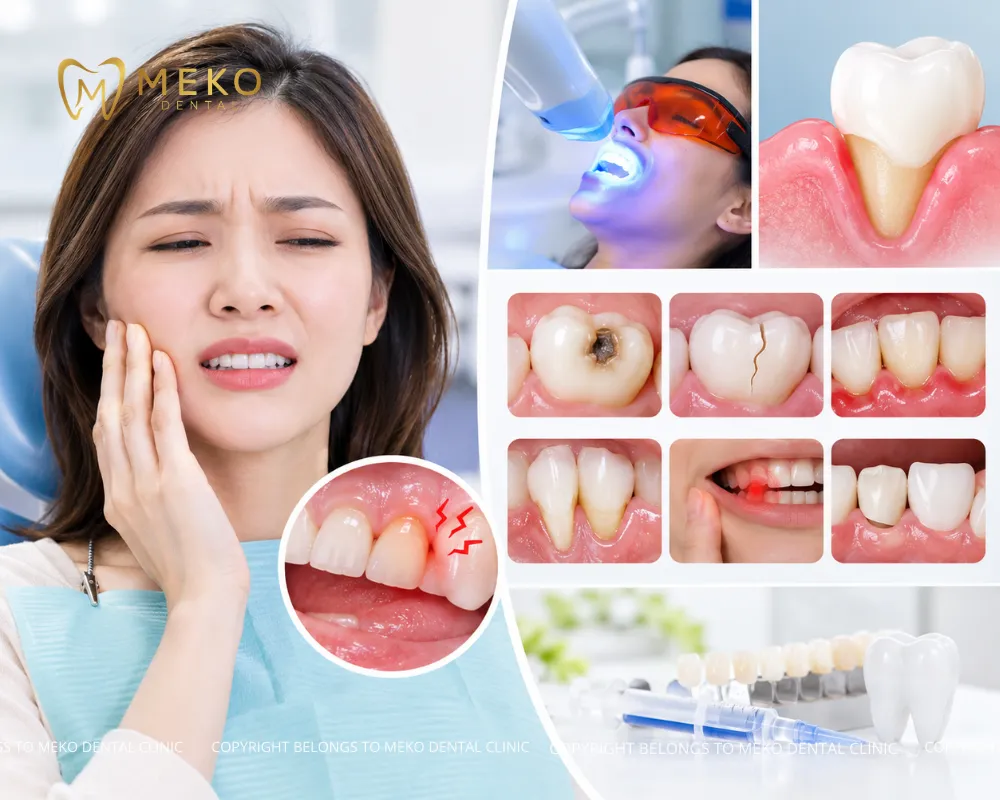
A dentist may reasonably delay treatment for:
- Untreated tooth decay
- Cracked or fractured teeth
- Gum disease or visibly inflamed gums
- Noticeable root exposure from recession
- Pain concentrated in a single tooth with no clear cause
Crowns, veneers, and fillings don’t respond to bleaching gel the way natural enamel does. Mentioning any existing restorations beforehand helps avoid an uneven, mismatched result.
5. Does laser teeth whitening hurt less with proper preparation?
To an extent, yes. Nothing guarantees a pain-free session for every patient, but a few things reliably lower the odds of significant discomfort. Desensitizing products are the exception, since studies on them show mixed results.
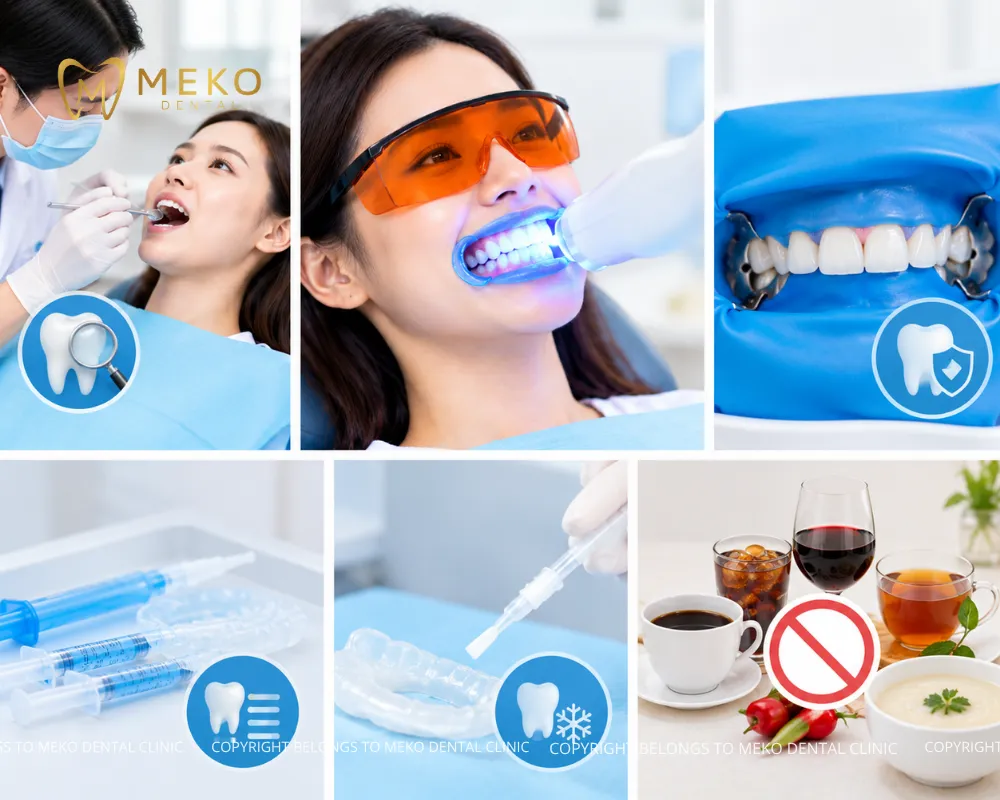
The steps that matter most:
- Pre-treatment exam. Catches decay, cracks, or recession before any gel goes on.
- Gum isolation. A rubber dam or painted-on barrier keeps peroxide off soft tissue and prevents stinging from direct contact.
- Deliberate gel choice. Lower concentrations have shown reduced sensitivity in some trials without much drop in effectiveness.
- Desensitizing gel. One randomized trial found sensitivity in roughly 47 percent of patients who received it beforehand, against roughly 87 percent in the group that didn’t.
- First-day aftercare. Skipping very hot or very cold foods, and cutting back on coffee, tea, red wine, and dark sodas, both reduces sensitivity and protects the fresh shade.
6. When to call the dentist about discomfort
Ordinary whitening sensitivity fades within a day or two, so waiting it out is fine. But if sharp pain is still there after a few days, or stays on one tooth instead of spreading across several, call the dentist, since it may point to decay, a crack, or pulp inflammation rather than a reaction to the whitening.
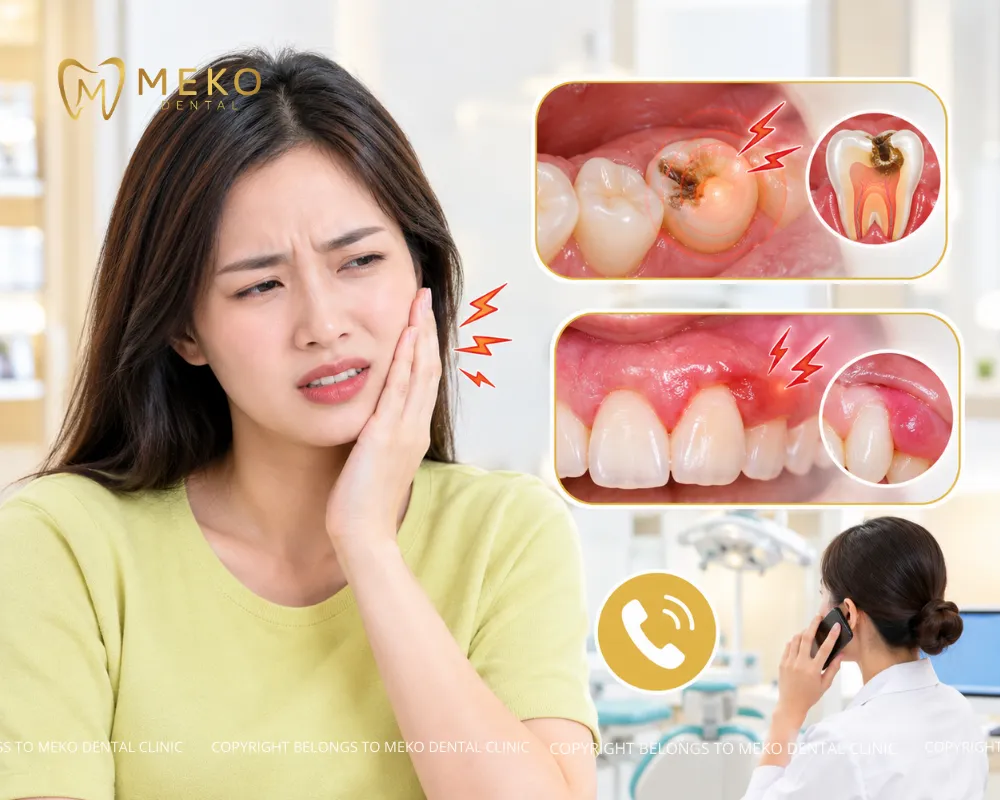
Gums that stay sore or swollen beyond a day or two should be checked as well. Waiting a little longer is not a risk with normal sensitivity, but a quick call about anything that does not fit that pattern is better than leaving a real problem untreated.
| Read more: How long do laser teeth whitening side effects really last?
7. Frequently asked questions
Does it hurt to get your teeth laser whitened if you’ve never had sensitive teeth before?
Usually not. Most first-time patients with no sensitivity history report little more than mild tingling. Enamel and gum health matter more than sensitivity history, which is why a pre-treatment exam is the best predictor of comfort.
Does laser teeth whitening hurt your teeth permanently?
No. Sensitivity from whitening is temporary in nearly all documented cases and resolves within a few days. Long-term enamel effects depend on gel concentration and how often treatment is repeated, which is why dentists space out sessions.
Does getting your teeth laser whitened hurt without numbing beforehand?
No numbing is needed for routine whitening. Comfort comes from gum isolation, proper gel choice, and a dentist adjusting timing if discomfort comes up mid-session.
Laser teeth whitening does it hurt more than at-home kits?
Not by much, and mainly on day one. One triple-blind trial found in-office patients reported more sensitivity than at-home patients only on the first day after treatment. By later checkpoints, the difference had disappeared.
Does laser teeth whitening hurt after the first day?
Usually only a little. Sensitivity peaks in the first 24 hours, then fades within one to three days for most patients. Avoiding very hot or cold food and drinks and using a desensitizing toothpaste can help. Pain that lasts beyond a few days, or stays on a single tooth, is worth a call to the dentist.
Meko Dental Clinic starts every whitening consultation with an exam, checking whether teeth and gums are actually ready for bleaching before any gel goes on. It’s also the moment to mention things like recent dental work or medications that might affect the plan. Patients who are still asking does laser teeth whitening hurt in their own case can bring it up directly, and ask what the dentist will do differently if sensitivity shows up mid-session.
References
- American Dental Association. Whitening. https://www.ada.org/resources/ada-library/oral-health-topics/whitening
- ADA News. Hazards of unlicensed tooth whitening. https://adanews.ada.org/huddles/hazards-of-unlicensed-tooth-whitening
- Allende et al. Do laser and light activation improve in-office dental bleaching outcomes? An umbrella review. Journal of Esthetic and Restorative Dentistry. https://pubmed.ncbi.nlm.nih.gov/42076873/


 Messenger FB
 WhatsApp
 Book now