

Braces For Children
Deciding when to start braces for children is one of the questions Vietnamese parents ask most often, especially with so many types of kids braces now available. Meko Dental put together this guide to walk through the early warning signs and the right age to begin treatment. It also explains how to choose between metal braces, ceramic braces, and clear aligners for a child’s growing smile.
What are braces for children?
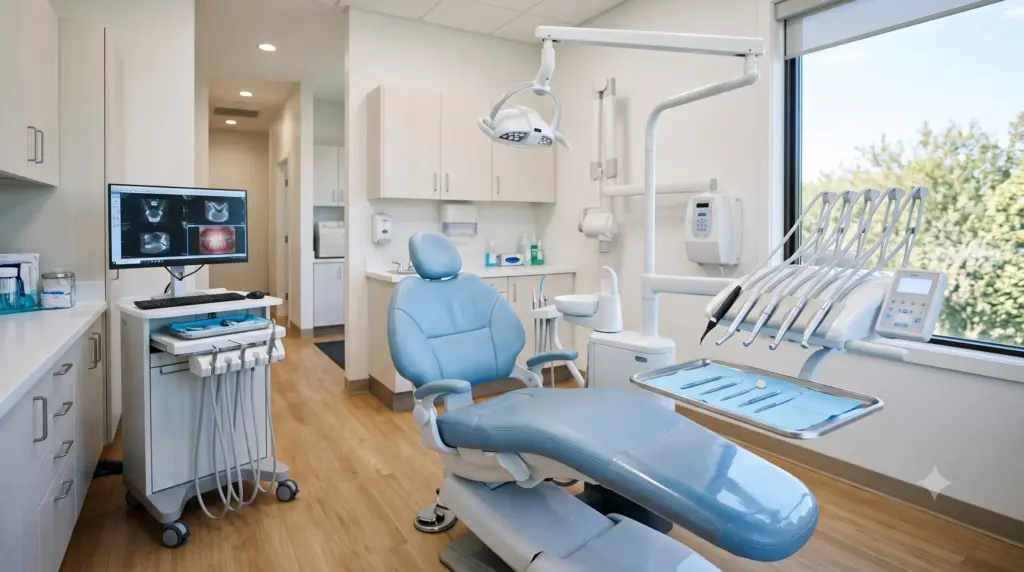
Braces for children is the branch of dentistry focused on guiding tooth and jaw development in kids, typically between ages 6 and 14. Also called pediatric orthodontics or child orthodontics, it covers monitoring how permanent teeth erupt, correcting bite problems, and fitting kids braces or clear aligners once treatment becomes necessary.
Unlike adult treatment, orthodontics for children often works alongside a child’s remaining bone growth, since bone tissue responds more easily to gentle pressure at a young age. This is often why children’s orthodontics can achieve good results with simpler appliances than an adult would need for the same issue.
Meko Dental’s pediatric orthodontic team examines every child individually before recommending a plan for child braces. Two kids of the same age can show very different jaw development, so treatment for children’s braces rarely follows a single template.
When should a child first see an orthodontist for kids braces?
Most children should have their first orthodontic check by around age 7, following guidance from the American Association of Orthodontists. At this stage, a mix of baby and permanent teeth allows a specialist to spot developing problems early, even if braces on kids aren’t needed yet.
Waiting until every baby tooth has fallen out can mean missing the best window for gentle, early guidance. An early screening does not automatically lead to treatment; in many cases, it simply means periodic monitoring for future orthodontics for kids.
Parents do not need to wait for obvious problems before booking a visit. A short check-up is usually enough to confirm whether pediatric orthodontics can wait a while longer or should begin soon. It is also the same visit where the clinic outlines orthodontic care for kids going forward.
Warning signs your child may need braces for children’s teeth
Common signs include crowded or crooked teeth and unusually early or late loss of baby teeth. Other clues are trouble biting or chewing, mouth breathing, and thumb-sucking habits that continue past age five, all reasons parents start researching braces for children’s teeth.
Parents can watch for:
- Teeth that are positioned too close together or overlap one another
- Upper and lower teeth that don’t meet properly when biting down
- A jaw that moves unevenly, clicks, or feels tense when opening
- Speech difficulty that seems linked to tooth position
- A habit of sucking the thumb or fingers for an extended period
If two or more of these signs appear, scheduling a consultation for orthodontics for children is a reasonable next step. Not every sign means a child needs teeth braces for kids right away, but an evaluation clarifies what is actually going on.
Types of braces for children available at Meko Dental
Several types of braces for kids exist today, and the right pick depends on the child’s age, the specific bite problem, and how consistently they can follow instructions. Meko Dental reviews each option with parents before recommending pediatric braces or any child-friendly orthodontic solution.
| Appliance | Best suited for | Key notes |
| Metal braces | Most common alignment issues | A long-lasting and budget-friendly option |
| Ceramic braces | Older kids who prefer less visible brackets | Tooth-colored, needs careful cleaning |
| Clear aligners | Mild to moderate cases with cooperative kids | Removable, discreet, relies on compliance |
| Palatal expanders | Narrow upper jaw or crossbite | Most effective while the jaw is still developing |
Metal braces for kids
Metal braces remain the standard choice for children’s braces because they handle complex tooth movements reliably. They also tend to be the most budget-friendly option among the various types of braces for kids’ teeth compared with ceramic brackets or clear aligners.
Clear aligners for kids teeth
Clear aligners suit orthodontics for children cases that are mild to moderate in severity. They are removable, which makes eating and brushing simpler, but results depend heavily on the child actually wearing them as prescribed.
Palatal expanders
When a child’s upper jaw is too narrow, a palatal expander widens it gradually over several months. This pediatric orthodontic appliance works best while growth is still active, which is one more reason early evaluation matters for orthodontics for children.
Phase 1 vs Phase 2 orthodontics for children
Phase 1, or interceptive treatment, usually starts between ages 7 and 10 and targets jaw growth or severe crowding early. Phase 2 follows once most permanent teeth have erupted, generally fine-tuning alignment with full kid braces.
Not every child needs both phases of treatment. Some only require Phase 2, while others benefit from starting braces for children early to avoid more invasive correction later on.
What happens during Phase 1?
Phase 1 typically uses appliances such as palatal expanders or space maintainers to guide jaw growth and create room for permanent teeth. This stage of child orthodontic care usually lasts 9 to 18 months, depending on the severity of the case.
What happens during Phase 2?
Phase 2 starts once most permanent teeth have erupted. It generally involves full braces or clear aligners to complete alignment and finalize the bite. This is the stage most people picture when they think of children’s orthodontic braces.
How much do braces for children cost?
Pricing for braces for children depends on the case type, the appliance chosen, and how long treatment runs, so Meko Dental quotes each plan individually after an exam.
| Service | Price (VND) |
| Orthodontics for children – Early interceptive treatment (Phase 1) | |
| Orthodontics for children – Comprehensive treatment (metal braces) | |
| Orthodontics for children – Comprehensive treatment (ceramic braces) | |
| Orthodontics for children – Comprehensive treatment (clear aligners) | |
| Palatal expander |
Prices can vary depending on the severity of each child’s case and the treatment method selected. Parents are welcome to contact Meko Dental directly for an accurate quote after an in-person consultation about braces for children.
How long does treatment with kids braces take?
Treatment length depends heavily on the individual case. Phase 1 interceptive care often runs 9 to 18 months, while full braces during the pre-teen or teen years can take anywhere from 18 months to around 3 years.
Children who start braces for children early sometimes need less time in kids orthodontics later on. Outcomes still vary by case, though, and depend on how consistently instructions are followed at home.
Are braces for children painful?
Braces for children typically cause mild soreness for a few days after an adjustment, not sharp or lasting pain. Over-the-counter pain relief, orthodontic wax, and soft foods usually manage the discomfort well.
Most children adjust within about a week of each appointment. If pain feels severe or does not ease off, that is a signal to contact the clinic rather than simply wait it out.
Why choose Meko Dental for braces for children
Meko Dental combines digital imaging, a child-friendly clinic setting, and dentists experienced specifically in child orthodontics and early jaw development. Every plan for braces for children starts with a full evaluation rather than a generic protocol, and the clinic’s orthodontic services for children cover everything from a first check-up to the final retainer visit.
Experienced pediatric orthodontic team
The clinic’s dentists work regularly with young patients on kid’s braces of all kinds. This experience helps children feel more comfortable during exams, fittings, and adjustment visits.
Clear communication for parents
Meko Dental explains each stage of pediatric orthodontic care in plain terms before any appliance is placed. Parents leave with a clear picture of the children’s braces options available, the timeline, and what to expect at home.
FAQs about braces for children
Most specialists recommend a first evaluation around age 7, though actual treatment may not begin until later depending on the case.
Jaw growth, tooth crowding, and habits like thumb-sucking vary from child to child, so timing for orthodontics for kids is based on individual development rather than age alone.
Cost depends on the appliance and treatment length; Meko Dental provides an exact figure only after examining the child in person.
Most cases run between several months for interceptive care and up to around 3 years for full children braces, depending on severity.
Meko Dental offers pediatric orthodontic consultations and treatment, with staff experienced in working with young patients.
Watch for crowded teeth, an unusual bite, mouth breathing, or prolonged thumb-sucking, then book an evaluation to confirm whether kids teeth braces are needed.
Braces for children work best when problems are caught early, guided by growth, and explained clearly to parents at every step. Whether a child needs a simple expander or a full course of childrens braces, timely evaluation makes treatment simpler and often shorter. Meko Dental welcomes parents who want a clear, honest assessment of their child’s smile. Book a consultation with Meko Dental to find out exactly what your child’s teeth need next.
 Messenger FB
 WhatsApp
 Book now