

Ceramic Braces
Ceramic braces come up a lot in patient research before a first consultation at Meko Dental. They sit between metal braces and clear aligners: a fixed bracket-and-wire system, just made from a tooth-colored material instead of metal. This guide covers what ceramic braces are, what the brackets are made of, typical treatment costs, and what the process looks like from consultation to retainer.
What are ceramic braces?
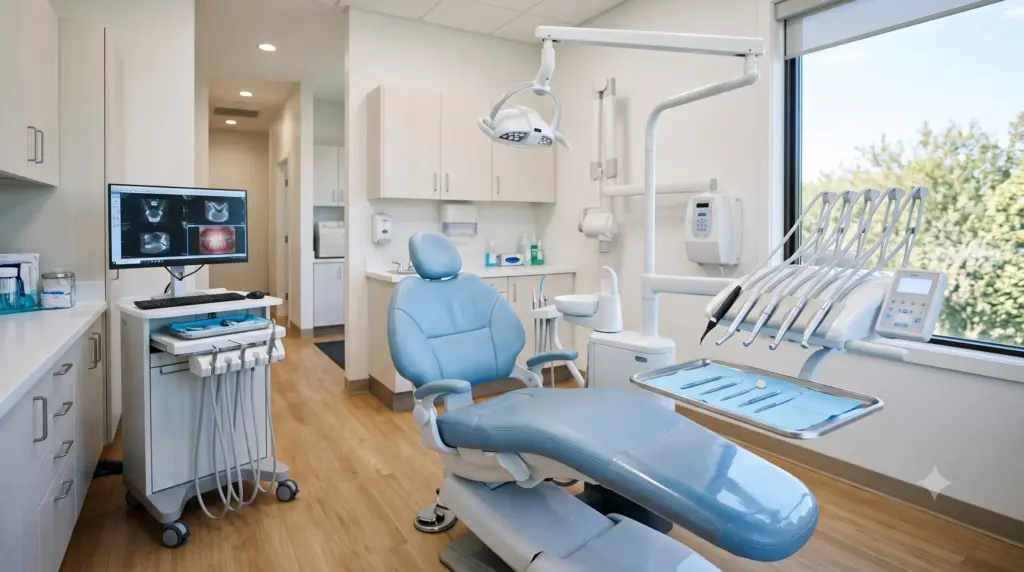
Ceramic braces are fixed orthodontic appliances that use tooth-colored or clear brackets instead of metal ones to move teeth into alignment. They rely on the same bracket-and-wire mechanics as metal braces, just with a material that blends into the smile.
Most patients choose this option because it corrects a wide range of bite issues without the obvious metal look. Treatment typically runs 18 to 36 months, similar to metal braces, depending on how much movement each tooth needs.
The brackets sit close to the natural enamel shade. Because of that, this treatment is popular with adults and working professionals who want discretion in meetings, photos, or everyday conversation.
What are ceramic brackets made of?
Ceramic brackets are made of polycrystalline or monocrystalline alumina, a dense, tooth-colored ceramic engineered for orthodontic use. Some clinics market this same material as ortho ceramic or ceramic ortho brackets, but it’s the same alumina-based technology under a different name.
Alumina-based ceramic is non-magnetic and carries a lower risk of triggering metal sensitivity than stainless steel. It is also harder than natural enamel, which is why debonding at the end of treatment calls for a trained hand rather than force.
How does this treatment compare to metal braces and clear aligners?
Ceramic braces sit between metal braces and clear aligners: less visible than metal, but generally more effective than aligners for complex bite cases. The table below breaks down what patients usually ask about.
| Factor | Ceramic | Metal | Clear Aligners |
| Visibility | Low, blends with teeth | High, clearly visible | Very low when worn |
| Handles complex cases | Yes | Yes | Limited |
| Bracket durability | More prone to chipping | Very durable | Not applicable |
| Typical cost | Higher than metal | Lowest | Similar or higher |
| Treatment time | 18-36 months | 12-36 months | Varies, often longer for complex cases |
Clinical outcomes between the two fixed options are generally comparable, since both move teeth using the same wire tension. The choice usually comes down to appearance, budget, and how severe the misalignment is.
What types of ceramic braces are available?
There are two main systems: traditional braces that use elastic ties, and self-ligating braces that use a built-in clip. Both count as conventional systems because they rely on fixed alumina brackets rather than removable trays.
Traditional ceramic braces
Small elastic ligatures are used to keep the archwire securely in place. This is the more budget-friendly option among ceramic braces and works well for patients with mild to moderate alignment issues. Because these ties can absorb stains between appointments, dentists typically replace them at every adjustment visit.
Self-ligating (advanced) ceramic braces
This system uses a built-in sliding clip instead of elastic ties, which reduces friction and cuts down on stained ligatures. It can also mean slightly fewer visits over the course of treatment. Choosing between the two systems usually depends on budget and how much a patient wants to avoid replacing colored ties.
Who is a good candidate for this treatment?
Ceramic braces generally suit teens with a full set of adult teeth and adults who want a fixed, low-visibility option. They are not typically recommended for young children still losing baby teeth, since bonding needs a stable tooth surface.
Good candidates usually have:
- A full set of permanent teeth
- Suitable for correcting less pronounced alignment and bite concerns
- Reasonable oral hygiene habits and a willingness to avoid very hard or sticky foods
- Patients who prefer not to use removable aligners often choose fixed treatment
A dentist can only confirm suitability after reviewing X-rays and a full oral exam. Jaw structure, gum health, and the position of any remaining baby teeth all factor into the treatment plan.
What are the benefits of ceramic braces?
The main benefit is discretion without giving up the predictability of fixed orthodontic treatment. Patients get a smile that stays close to its natural shade while the brackets do the work of correcting the bite.
- Brackets blend closely with natural tooth color
- Lower risk of metal allergy than stainless steel systems
- Smooth, rounded edges that reduce cheek and lip irritation
- Suitable for a wide range of crowding, gap, and mild-to-moderate bite cases
- Less interference with imaging scans than metal brackets
Patients searching for ceramic invisible braces are usually looking for this balance of subtlety and function. They aren’t necessarily after a fully invisible option like clear aligners.
What are the drawbacks of ceramic braces?
The main downsides are a higher price and a more brittle bracket material compared with metal. Ceramic can chip or crack under strong biting pressure more easily than stainless steel.
- Larger brackets than metal, which can make hygiene slightly more demanding
- Clear or white ties can stain from coffee, tea, turmeric-based dishes, or tobacco
- Removal takes longer, since ceramic bonds tightly to enamel
- Adjustment visits may run slightly more often if a bracket chips
None of these drawbacks rule out this option for most patients. They mainly call for realistic expectations and consistent oral hygiene throughout treatment.
Do ceramic braces stain?
The brackets themselves resist staining well, but the elastic ties holding the archwire can discolor between visits. This is the most common complaint patients raise about this treatment.
Coffee, tea, red wine, turmeric-based dishes, and tobacco are the most frequent causes of stained ties. Brushing after meals and avoiding these triggers keeps the ties looking closer to white ceramic braces for teeth rather than yellowed ones.
Because the ties sit separately from the bracket, patients can request a color change at nearly every visit:
- White ties, the closest match to natural enamel
- Blue ceramic braces ties, a common pick among teens
- Pink ceramic braces ties, often chosen for personal style
- Black ceramic braces ties, a bolder and less common option
This flexibility is one reason tooth colored ceramic braces stay popular even with patients who like a small pop of color. Many switch back to white or clear ties before important events such as interviews or family photos.
How much do ceramic braces cost?
Pricing typically falls between metal braces and premium clear aligner systems, shaped mainly by bracket type and case complexity. A precise quote usually comes only after an in-person exam and X-ray.
| Cost factor | What it affects |
| Traditional vs. self-ligating bracket | Self-ligating systems typically cost more |
| Number of teeth needing repositioning | More movement means more adjustment visits |
| Tooth removal or extra orthodontic devices | Can raise the final treatment fee |
| Length of treatment | More involved cases may need extra visits |
As a general market reference, traditional systems often start in the tens of millions of VND, with self-ligating and clear-wire versions priced higher. Meko Dental gives an itemized quote after reviewing a patient’s X-rays and bite, since case complexity has the biggest impact on the final price.
What does the treatment process involve?
The process follows a set path from the first exam to the final retainer, with total treatment time close to what metal braces require. Each stage builds on the last, so consistent adjustment visits keep the case on schedule.
Step 1: Examination and X-rays
Review bite alignment and jaw structure to plan the case.
Step 2: Impressions and spacers
Small spacers may sit between back teeth for about a week before bonding.
Step 3: Bracket bonding
Brackets are attached to the front surface of each tooth.
Step 4: Archwire placement
The wire is secured with elastic ties or a self-ligating clip.
Step 5: Adjustment visits
Scheduled roughly every 3 to 5 weeks to tighten the wire and track progress.
Step 6: Debonding and retainer
Brackets come off once alignment is achieved, followed by a custom retainer.
Mild soreness for a day or two after each adjustment is normal, especially in the first week. It typically settles on its own as the mouth adjusts to the new pressure.
Frequently asked questions
Brackets are made from polycrystalline or monocrystalline alumina, a dense, tooth-colored ceramic material.
Ceramic material and its manufacturing process cost more to produce than stainless steel, and that difference carries through to the price.
Prices vary by bracket type and case complexity; an exact figure requires an in-person exam and X-ray at a clinic such as Meko Dental.
Most cases take about 18 to 36 months, similar to metal braces, though simpler cases can finish sooner.
Most orthodontic clinics offer ceramic braces, including Meko Dental in Ho Chi Minh City, where a consultation and X-ray come before any plan.
There is generally no strict upper age limit for adults, while the ideal evaluation window for children is between 6 and 12 years old.
Ceramic braces offer a practical middle ground between visible metal brackets and the higher cost of clear aligners, which is why they remain a popular choice for patients who want effective, low-visibility treatment. Anyone weighing this option against alternatives can book a consultation at Meko Dental to review cost, treatment time, and bracket choices before starting.
 Messenger FB
 WhatsApp
 Book now